Nirmala Sitharaman Performs Gaja Pooja in Kanchipuram
Synopsis
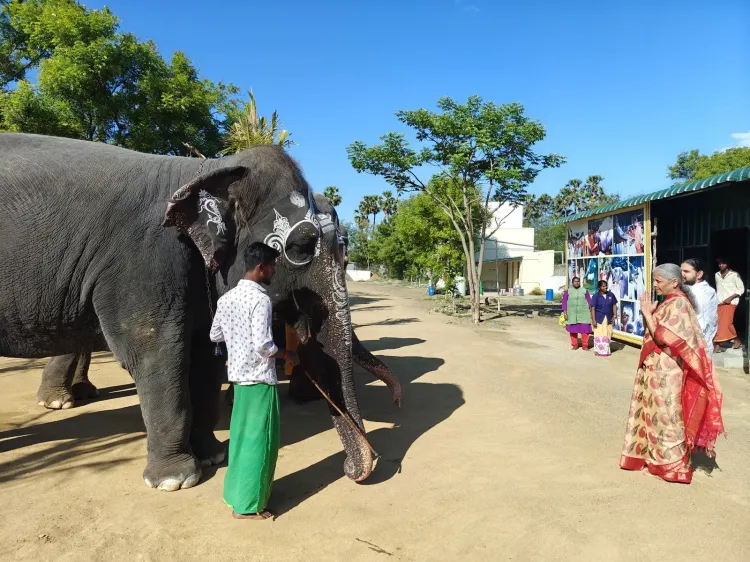
Union Finance Minister Nirmala Sitharaman performed Gaja Pooja — the traditional ritual veneration of temple elephants — at a Kanchipuram shrine on 25 June 2026, sharing images from the observance on social media and underscoring her ties to Tamil Nadu's temple heritage.
Key Takeaways
Union Finance Minister Nirmala Sitharaman performed Gaja Pooja in Kanchipuram, Tamil Nadu on 25 June 2026 .
Gaja Pooja is a traditional South Indian Hindu ritual that venerates consecrated temple elephants, central to the ritual life of major Tamil Nadu shrines.
Kanchipuram is one of Tamil Nadu's most historic temple towns, housing ancient Shaivite and Vaishnavite shrines with living elephant traditions.
Sitharaman has family roots in Tamil Nadu and has maintained a visible connection to the state's cultural and religious life.
BJP ministers have periodically participated in regional religious observances in southern states as part of broader outreach efforts.
The visit carries political resonance as the BJP continues efforts to expand its presence in Tamil Nadu ahead of future electoral cycles.
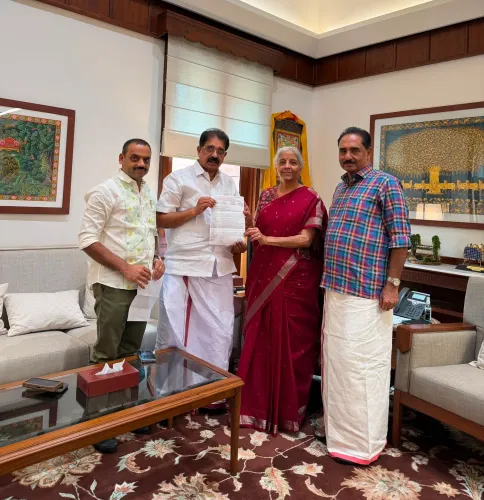
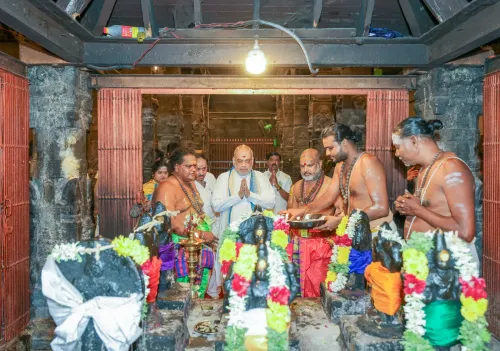
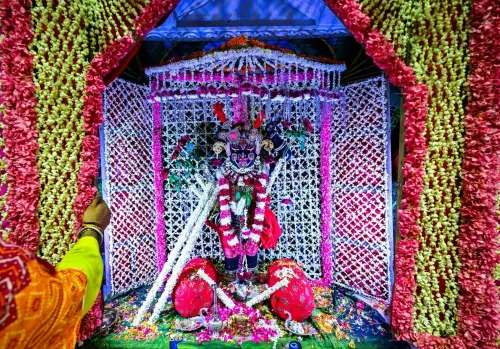
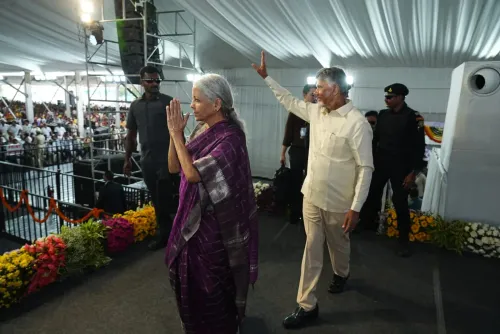
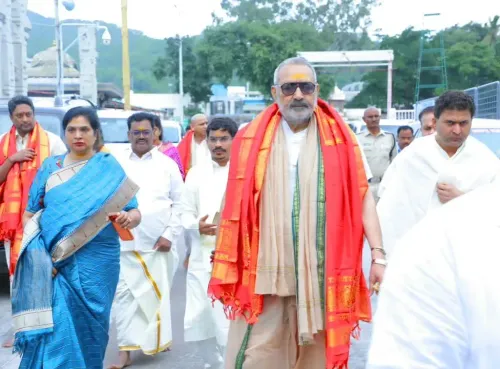
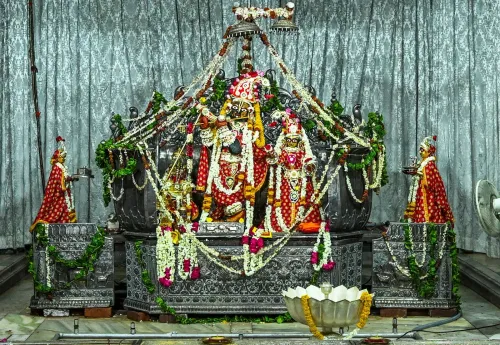
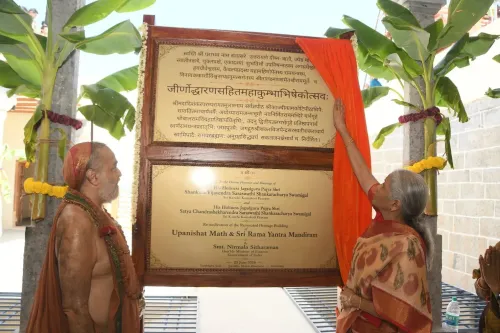
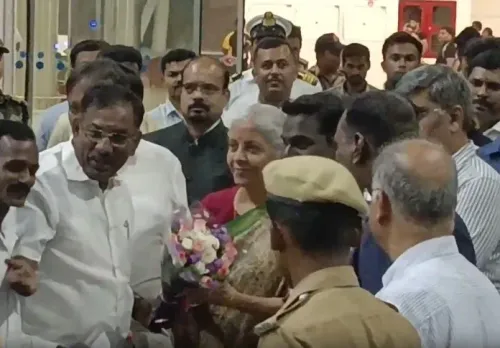
Union Finance Minister Nirmala Sitharaman performed Gaja Pooja — the traditional South Indian Hindu ritual of venerating temple elephants — at a shrine in Kanchipuram, Tamil Nadu, on Thursday, 25 June 2026. The visit was shared on her official X account, accompanied by four photographs from the observance.
Context
Kanchipuram is one of Tamil Nadu's most revered temple towns, home to an array of ancient Shaivite and Vaishnavite shrines that have maintained living temple-elephant traditions for centuries. Gaja Pooja is a devotional practice in which worshippers offer prayers, garlands, and ritual honours directly to consecrated temple elephants, regarded as living embodiments of the divine in the Agamic tradition. The ceremony is a fixture of major festival calendars at prominent Tamil Nadu temples.
Sitharaman, who holds family roots in Tamil Nadu, has historically maintained a visible connection to the state's cultural and religious life. Her participation in the Kanchipuram observance reflects that personal association alongside her national political profile as a senior BJP leader.
Policy Backdrop
Central ministers from the BJP have periodically participated in regional religious and cultural observances across southern states, where the party has sought broader social acceptance. These appearances are typically situated within long-standing local temple traditions rather than tied to new government programmes or policy announcements.
Kanchipuram's cluster of historically significant temples — including the Ekambareswarar and Varadharaja Perumal shrines — provides a culturally prominent platform for such participation. The town's temple elephants are central to its ritual life and draw devotees from across Tamil Nadu and beyond.
Stakeholders and Impact
The visit is of significance to Hindu devotees and the broader Tamil Nadu temple community, for whom Gaja Pooja carries deep religious meaning. For a Union minister with Sitharaman's stature to participate in a local ritual observance signals respect for regional religious traditions at the national level.
Tamil Nadu's temple communities maintain elaborate elephant-care and ritual traditions that are governed under state temple authority structures. A high-profile visit of this kind typically draws wider attention to the living heritage of these institutions.
What's Next
Political observers will watch whether Sitharaman undertakes further temple visits or cultural engagements in Tamil Nadu in the months ahead, particularly as both state and national electoral cycles draw closer. The BJP's engagement with Tamil Nadu's deep-rooted Dravidian cultural and religious identity remains a continuing area of political interest. Such visits, while personal and devotional in character, inevitably carry political resonance in a state where the party is working to expand its footprint.
Point of View
A state where the party's electoral footprint remains limited. The gesture draws on her personal Tamil roots, lending it an authenticity that distinguishes it from purely strategic outreach. At the same time, such high-profile temple appearances form part of a broader BJP pattern of engaging with southern religious traditions to build social capital beyond its Hindi-belt base. Whether these cultural engagements translate into durable political gains in Tamil Nadu remains the central question for the party's southern strategy.
NationPress
24 Sept 2026
Frequently Asked Questions
Where did Nirmala Sitharaman perform Gaja Pooja?
She performed Gaja Pooja in Kanchipuram, a historic temple town in northern Tamil Nadu known for its ancient Shaivite and Vaishnavite shrines that maintain temple elephants.
Why is Kanchipuram significant for Hindu worship?
Kanchipuram is one of India's seven sacred cities and houses major temples including the Ekambareswarar and Varadharaja Perumal shrines, which have centuries-old traditions of ritual elephant veneration and festival processions.
Does Nirmala Sitharaman have roots in Tamil Nadu?
Yes, Nirmala Sitharaman has family roots in Tamil Nadu, which has informed her longstanding personal connection to the state's cultural and religious traditions.
What is the political significance of BJP ministers visiting Tamil Nadu temples?
BJP central ministers periodically participate in regional religious observances in southern states as part of the party's broader effort to build social acceptance in areas where it seeks to expand its electoral presence.