Smriti Irani Bets on India's Youth: 'We Will Do It'
Synopsis
BJP leader Smriti Irani declared India the world's largest youth nation on 27 October 2026, urging young Indians to back their talent and resolve to innovate with an unambiguous rallying call: 'We will do it.'
Key Takeaways
BJP leader Smriti Irani posted a youth-focused motivational message on X on 27 October 2026 .
She described India as 'the world's largest youth nation' , citing talent and the resolve to innovate as its defining strengths.
The post closes with an English-language rallying call — 'We will do it' — signalling a deliberate appeal to globally connected young Indians.
The demographic framing aligns with a long-running political narrative in India that positions youth population as a strategic national asset.
No specific policy or scheme was announced; the message is aspirational and motivational in character.
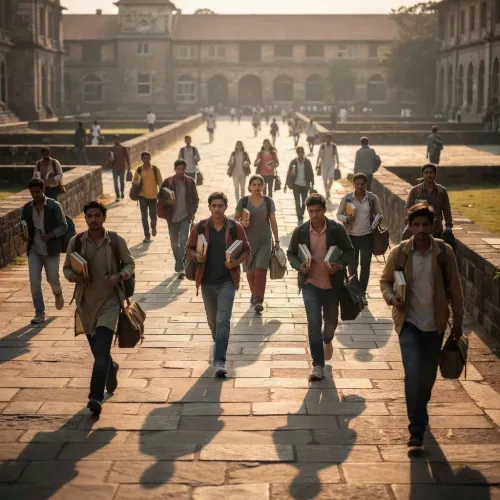
India's youth are not just a statistic — they are a promise. BJP leader and former Union Minister Smriti Irani invoked that promise on Tuesday, 27 October 2026, posting a sharp, energising message on X that frames India's massive young population as the country's most powerful asset.
Irani wrote, 'आज भारत, दुनिया का सबसे बड़ा युवा देश है। हमारे पास प्रतिभा है, कुछ नया करने का संकल्प है। हमारी भावना और विश्वास हो — We will do it.' In English: 'Today India is the world's largest youth nation. We have talent, we have the resolve to innovate. Let our spirit and belief be — We will do it.'
The Demographic Argument India Keeps Coming Back To
The claim is not new — but it never loses its weight. India is widely recognised as home to one of the largest concentrations of young people on the planet, with a median age that positions it sharply ahead of ageing economies in Europe, East Asia, and North America. That demographic reality has become a cornerstone of Indian political communication across parties and administrations for over a decade.
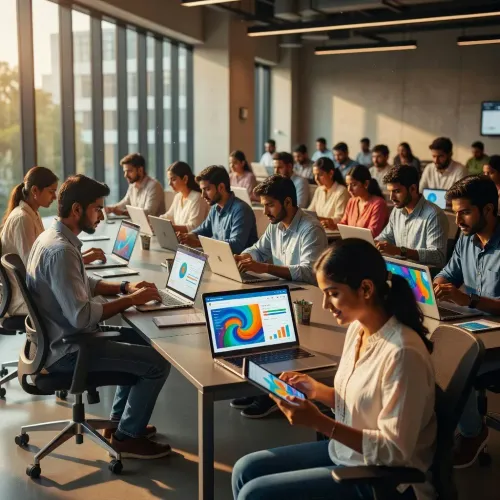
Irani's framing goes a step further than raw numbers. She pairs the demographic fact with two distinct qualities — talent and the resolve to innovate — and then seals it with an English-language rallying call that travels across linguistic lines. The move is deliberate: 'We will do it' is as much a signal to a globally connected, aspirational youth audience as it is a political message at home.
Why This Framing Lands — and What It Leaves Open
Political leaders who champion youth potential walk a careful line. The optimism resonates powerfully with young Indians hungry for validation and opportunity. But the message also implicitly sets a bar — talent and resolve must translate into jobs, skilling, and pathways to innovation. That gap between aspiration and delivery is precisely what critics of any government's youth agenda return to, and what future budget cycles and skill-programme announcements will be measured against.
Irani's post carries no specific policy announcement — it is a statement of belief, not a budget line. But belief, broadcast at scale to a country where nearly every second person is under 35, is its own form of political capital. The kicker the youth of India will eventually write is whether that capital gets converted.
Point of View
She subtly shifts the framing from entitlement to agency — telling young Indians the advantage is theirs to activate. The English close, 'We will do it,' suggests an audience beyond domestic Hindi-speaking voters: the aspirational, digitally active youth cohort that follows English-language political messaging closely. Whether such messaging catalyses policy follow-through on employment and skilling — the metrics by which youth-focused narratives are ultimately judged — remains the live question hanging over every such declaration.
NationPress
27 Oct 2026
Frequently Asked Questions
What did Smriti Irani say about Indian youth in her October 2026 post?
Smriti Irani stated that India is today the world's largest youth nation, possessing talent and the resolve to innovate, and closed with the rallying call 'We will do it' to encourage young Indians.
Is India really the world's largest youth nation?
India is widely recognised as having one of the largest concentrations of young people globally, with a median age significantly lower than most major economies, supporting the claim that it is among the world's largest youth nations.
What is Smriti Irani's political background?
Smriti Irani is a senior BJP leader who served as Union Minister of Women and Child Development and also held the Minority Affairs portfolio in the central government.
What is India's demographic dividend?
India's demographic dividend refers to the economic growth potential that arises from having a large, young, working-age population — a window of opportunity if youth are adequately educated, skilled, and employed.
Did Smriti Irani announce any new youth scheme or policy in this post?
No specific policy scheme or government programme was announced in the post; it was a motivational, aspirational message addressed to Indian youth.