Smriti Irani: Only voters can seat or unseat leaders
Synopsis
BJP leader Smriti Irani posted a sharp Hindi statement on 27 October 2026 asserting that no individual or faction can install or remove leaders — only India's citizens hold that constitutional power.
Key Takeaways
Smriti Irani posted the statement on X on 27 October 2026 , invoking voter sovereignty.
The Hindi line translates as: 'No one here can seat anyone, nor can anyone unseat anyone — the citizens alone can do that.' The message echoes a recurring theme in Indian political rhetoric: that democratic legitimacy flows exclusively from the electorate.
Irani's own electoral history — including a 2019 win in Amethi and a 2024 defeat — gives the statement personal credibility beyond party talking-points.
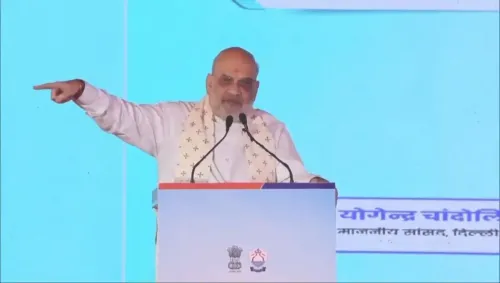
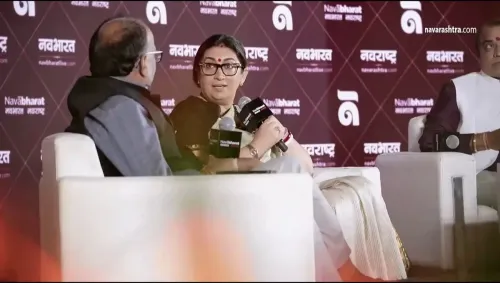
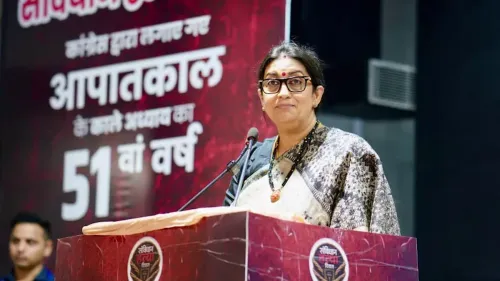
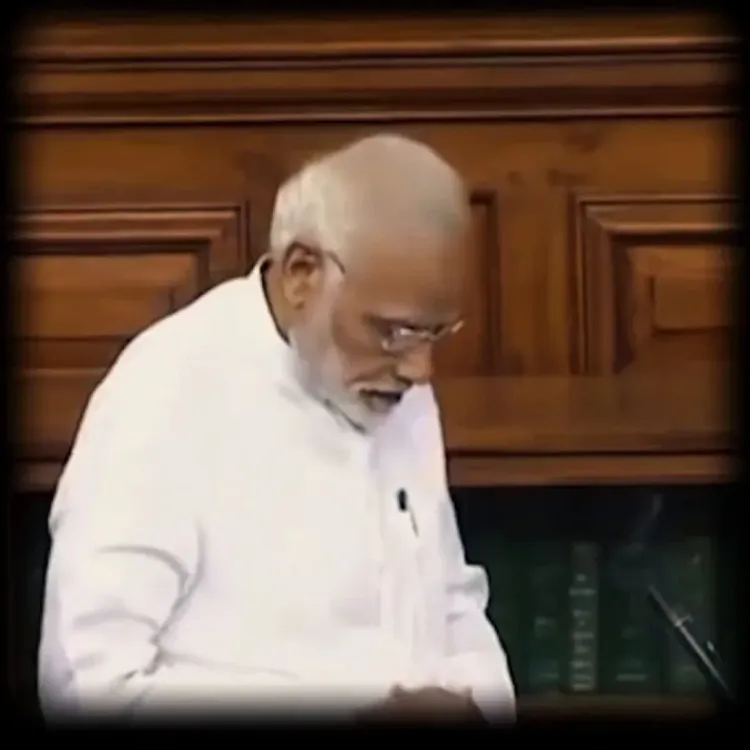
The post included a video, suggesting it may have been delivered at a public event, though the specific venue is unconfirmed.
Reactions from other political figures and links to any upcoming electoral cycle are being watched closely.
A single line — sharp, unadorned, aimed squarely at every Indian voter — cut through the political noise on Tuesday, 27 October 2026. BJP leader and former Union Minister Smriti Irani posted a pointed statement on X, invoking the foundational idea of democratic sovereignty: that it is the janta — the people — alone who hold the power to raise a leader or bring one down.
The post, in Hindi, reads: 'Na yahan koi utha sakta hai, na baitha sakta hai... deshvaasi baitha sakte hain aur deshvaasi hi utha sakte hain.' In plain English: 'No one here can seat anyone, nor can anyone unseat anyone... the citizens of this country can seat them, and the citizens alone can unseat them.'
The oldest argument in democracy, sharpened again
The sentiment is not new — but its timing and delivery rarely fail to land. Across Indian electoral history, the reminder that sovereignty flows from voters and not from political gatekeepers has been wielded by every major party at moments of contestation. What gives the line its recurring bite is what it implies just as loudly as what it says: that anyone claiming to 'manage' electoral outcomes oversteps a line the Constitution drew clearly.
India's democratic framework places the mandate firmly with the electorate. No backroom arrangement, no alliance arithmetic, and no incumbent advantage is permanent — because none of those forces actually cast the ballot. It is an argument that resonates equally as a warning to rivals and as a rallying call to supporters.
Why Irani's framing carries weight
Smriti Irani has contested — and won and lost — high-profile electoral battles of her own, making the statement something more than abstract principle. Her own political journey, including a landmark victory in Amethi in 2019 against then Congress president Rahul Gandhi and a subsequent defeat in 2024, is a lived illustration of the very volatility she is describing. When she says voters hold the ultimate power, she speaks from both sides of that equation.
The accompanying video in the post — absent an identifiable scene in available metadata — suggests the remark may have been made during a public address or party event, though the specific forum is not confirmed from available information.
One sentence, a broader electoral undercurrent
Statements like this tend to cluster around periods of electoral mobilisation — state elections, municipal cycles, or debates over governance legitimacy. With India's political calendar remaining dense and competitive, the framing serves a dual purpose: energising a base while signalling to fence-sitters that their vote is not a foregone conclusion for any side.
The reaction from rival political quarters — and whether the line gets adopted, countered, or simply amplified — will tell its own story in the days ahead. In Indian politics, the best one-liners do not stay in one lane for long.
Point of View
Performs two political functions at once: delegitimising any claim by rivals to 'manage' outcomes, while positioning the BJP as the party that trusts the people's verdict. The statement lands differently given her personal experience of losing Amethi in 2024; it reads less like spin and more like conviction tested by defeat. In a broader arc, such messaging reflects the BJP's ongoing effort to re-anchor its pitch in democratic legitimacy rather than incumbency comfort. Watch for whether the line is adopted as a formal campaign slogan or remains a targeted social-media salvo.
NationPress
27 Oct 2026
Frequently Asked Questions
What did Smriti Irani post on X on 27 October 2026?
She posted a Hindi statement asserting that no individual or group can seat or unseat a leader — only the citizens of India hold that power.
What does Irani's Hindi post mean in English?
The line translates as: 'No one here can seat anyone, nor can anyone unseat anyone... the citizens of this country can seat them, and the citizens alone can unseat them.'
Why is Smriti Irani's statement on voter power significant?
It invokes constitutional democratic sovereignty at a politically charged moment and carries added weight given Irani's own experience of both winning and losing high-profile elections.
What is Smriti Irani's electoral history?
Irani won the Amethi constituency in the 2019 general election , defeating then Congress president Rahul Gandhi , before losing the seat in the 2024 general election .
What is the broader context of statements like Irani's in Indian politics?
Assertions that only voters can install or remove leaders are a recurring feature of Indian electoral rhetoric across party lines, typically intensifying around election cycles or governance debates.