Why Did the SNDP-NSS Unity Effort in Kerala Stall?
Synopsis
In a surprising turn, the unity initiative between Kerala's influential Hindu organizations, SNDP Yogam and NSS, has been halted, leaving many questioning the future of this significant social alliance. What led to this abrupt pause, and what does it mean for the political landscape?
Key Takeaways
The SNDP-NSS unity initiative is currently on hold.
NSS reaffirmed its stance of neutrality towards political parties.
Previous attempts at unity have faced significant challenges.
The situation reflects broader social and political dynamics in Kerala.
Potential implications for the upcoming Assembly elections are significant.
Kottayam (Kerala), Jan 26 (NationPress) The eagerly awaited attempt to achieve harmony between Kerala’s two prominent Hindu social organizations -- the Sree Narayana Dharma Sangham (SNDP Yogam) and the Nair Service Society (NSS) -- has unexpectedly been put on hold, resulting in a setback for an initiative that seemed to be gaining traction just days earlier.
On Monday, the NSS director board determined that there was no pressing need to continue pursuing the proposed unity and decided to postpone the matter, reiterating the organization’s stance of remaining neutral towards political parties and other social entities.
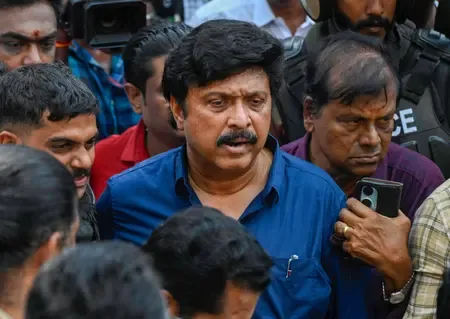
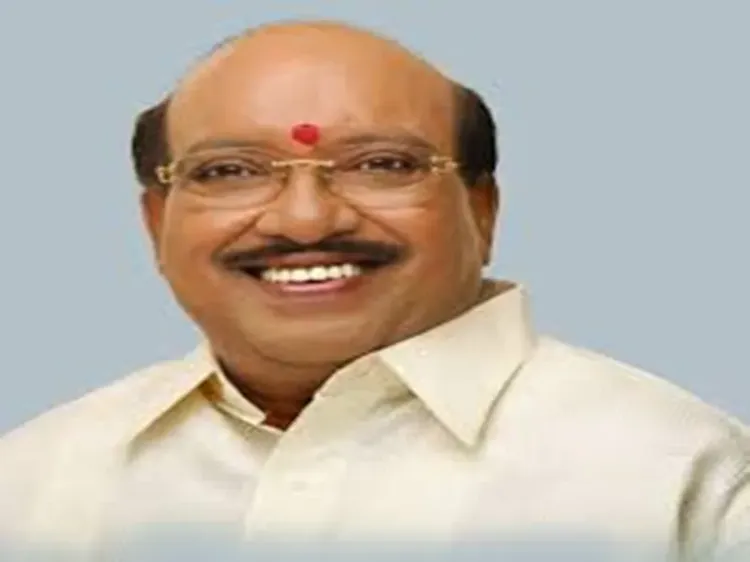
Responding to the NSS's abrupt change, a clearly troubled Natesan stated to the media at his residence near Alappuzha that he would wait before commenting, as he is unaware of the actual developments and thus requires time.
This decision marks a significant shift from the optimism expressed only last week by NSS general secretary G. Sukumaran Nair.
On Wednesday, he had publicly invited the SNDP Yogam leaders to Perunna, the NSS headquarters, confidently asserting that the anticipated SNDP-NSS unity was “assured,” downplaying any political concerns surrounding the initiative.
“They are welcome at Perunna. When Tushar Vellappally (son of Natesan) arrives, he will be welcomed like a son,” Sukumaran Nair emphasized, affirming that the NSS would uphold its foundational values while formalizing any partnerships.
He also clarified that the initiative stemmed from his personal belief and would be presented to the NSS director board and apex body for approval. That approval has now been postponed.
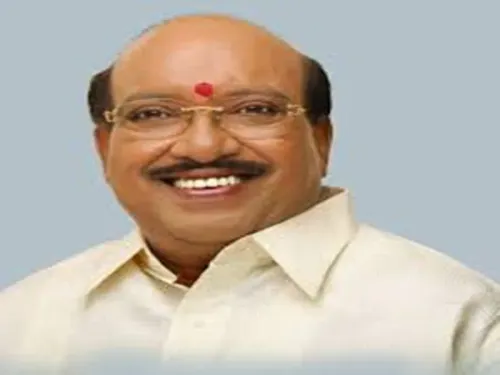
The outreach was reciprocated by SNDP Yogam general secretary Vellappally Natesan, who insisted that there was no need for competition with the NSS and confirmed that a meeting with Sukumaran Nair would occur soon, with his son Tushar Vellappally managing the discussions.
After an SNDP Yogam meeting in Alappuzha, Natesan stated that organizational backing for the unity initiative was robust and dismissed political criticism as uncalled for.
The halted initiative also rekindled memories of a previous attempt at unification. Between 2012 and 2014, Vellappally and Sukumaran Nair tried to form a “Hindu Grand Alliance” ahead of the 2014 Lok Sabha elections. That effort fell apart due to disputes over the proposed Devaswom Recruitment Board and significant ideological differences, especially regarding caste-based reservation policies.
Relations remained strained for over ten years, with Sukumaran Nair declaring in 2014 that unity was unattainable as long as Vellappally led the SNDP.
The latest endeavor was framed by both leaders as a social necessity rather than a political agenda, with Sukumaran Nair cautioning that disunity among Hindus was often exacerbated by political interference. Nevertheless, the political implications were clear.
A functioning SNDP-NSS alliance could have shifted electoral dynamics ahead of the Assembly elections, likely impacting the Congress-led UDF the most.
For now, with the unity initiative on pause, that political ripple has calmed -- leaving behind another chapter of high hopes, historical burdens, and unresolved aspirations.
Point of View
The abrupt pause of the SNDP-NSS unity effort underscores the complexities of social alliances in Kerala, highlighting the delicate balance between social aspirations and political realities. As the situation evolves, it remains crucial to monitor the implications for Hindu solidarity and the broader socio-political landscape in the region.
NationPress
30 Sept 2026
Frequently Asked Questions
What caused the SNDP-NSS unity initiative to stall?
The NSS director board decided there was no immediate necessity to pursue the proposed unity, deferring the matter.
Who are the leaders involved in the SNDP-NSS initiative?
The key figures are Vellappally Natesan from SNDP Yogam and G. Sukumaran Nair from NSS.
What were the expectations surrounding this unity effort?
There was significant optimism that the unity could alter electoral dynamics in Kerala ahead of the Assembly polls.
Have there been previous attempts at unity between these organizations?
Yes, between 2012 and 2014, there was an attempt to form a 'Hindu Grand Alliance,' which ultimately failed.
What are the implications of this stalled initiative for the political landscape?
The halted initiative may impact the Congress-led UDF, as a functional SNDP-NSS alliance could have changed electoral equations.