Kirit Somaiya flags electoral roll gaps in Mumbai SIR data
Synopsis
Former BJP MP Kirit Somaiya has exposed a striking contradiction in Mumbai's voter roll data — officials claim 99.99% form distribution while their own figures show nearly 12% of voters are untraceable. With 30.8 lakh Mumbai voters flagged as 'uncollectable' and death-deletion rates swinging wildly between constituencies, the integrity of the SIR process is now under formal scrutiny.
Key Takeaways
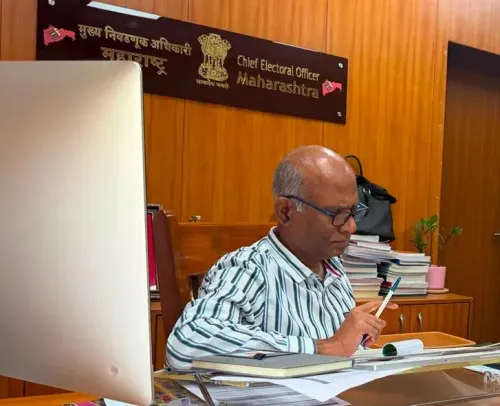
Kirit Somaiya wrote to Maharashtra Chief Electoral Officer S.
Chockalingam on 16 August alleging contradictions in Mumbai's Special Intensive Revision (SIR) electoral data.
Officials claimed 99.99% form distribution in Mumbai City and 99.96% in Mumbai Suburban, yet 11.73% of Suburban voters and 9.72% of City voters remain untraceable.
Death-related deletions vary sharply across constituencies: Mahim (7.72%) , Byculla (6.71%) , Shivadi (6.26%) , Mankhurd (2.91%) , and Anushakti Nagar (2.6%) .
Nearly 30.8 lakh Mumbai voters — about 29.6% of the city's electorate — are categorised as 'uncollectable'.
Statewide, over 1.8 crore voters ( 18.46% of Maharashtra's electorate) have data listed as uncollectable.
The CEO clarified that 'uncollectable' status does not permanently bar voters, who can submit forms to be included in the final roll.
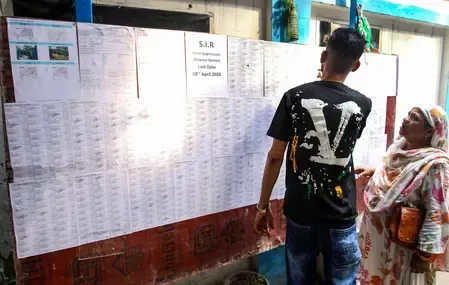
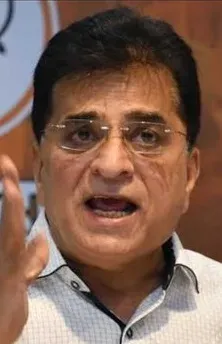
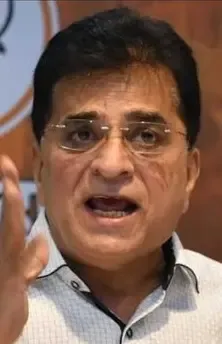
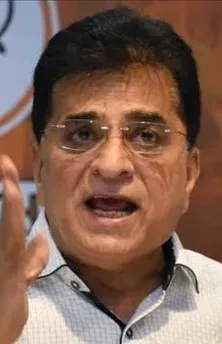
Former Bharatiya Janata Party (BJP) MP Kirit Somaiya has written to Maharashtra Chief Electoral Officer S. Chockalingam, alleging major contradictions in electoral data released during the Special Intensive Revision (SIR) of Mumbai's voters' list. The letter, dated 16 August, was uploaded by Somaiya on X (formerly Twitter) on Monday and raises concerns about form distribution figures, untraceable voters, and inconsistencies in death-related deletions across constituencies.
The Core Discrepancy
At the heart of Somaiya's complaint is a statistical contradiction: state election officials reported a form distribution rate of over 99 per cent across Maharashtra. The Mumbai City Collectorate specifically logged 99.99 per cent distribution, while the Mumbai Suburban Collectorate reported 99.96 per cent.
Yet, data from the same Collectorates, District Election officials, and the Mumbai Municipal Commissioner's office simultaneously shows that 11.73 per cent of voters in Mumbai Suburban and 9.72 per cent in Mumbai City District remain untraceable. Somaiya questioned how near-complete distribution could be claimed when roughly 12 per cent of addresses or voters cannot be located.
Uneven Death-Related Deletions Across Constituencies
The letter also flags sharp disparities in electoral roll deletions attributed to death across constituencies. According to Somaiya's letter, deletion rates in areas comprising Mankhurd stood at 2.91 per cent, Anushakti Nagar at 2.6 per cent, Mahim at 7.72 per cent, Byculla at 6.71 per cent, and Shivadi at 6.26 per cent. The wide variance across geographically proximate constituencies has drawn scrutiny.
Scale of Uncollectable Data Statewide
The letter comes days after Chockalingam shared updated SIR metrics. Across Maharashtra, details for over 1.8 crore voters — approximately 18.46 per cent of the total electorate — remain categorised as 'uncollectable'. Mumbai alone accounts for a significant share, with nearly 30.8 lakh voters (roughly 29.6 per cent of the electorate across Mumbai City and Suburban districts) falling under this tag.
High proportions of uncollectable entries were noted in constituencies undergoing large-scale redevelopment or with high migrant populations, including Sion Koliwada, Mankhurd-Shivaji Nagar, Worli, Malabar Hill, and Mumbadevi.
What the Chief Electoral Officer Said
Chief Electoral Officer Chockalingam explained that the 'uncollectable' classification applies primarily to electors under the ASDD categories — Absent, Shifted, Dead, or Duplicate. He noted that higher uncollectable rates in urban centres like Mumbai and neighbouring Thane are consistent with national trends for high-migration, high-mobility cities.
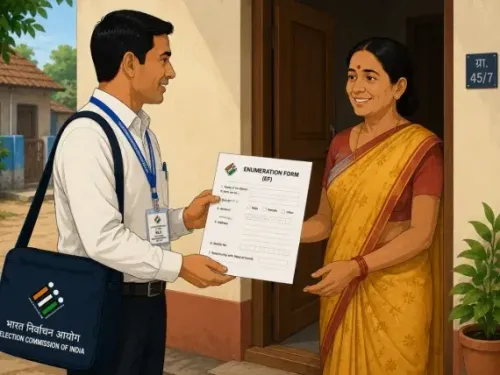
The CEO clarified that an 'uncollected' status during household enumeration does not permanently exclude a voter. Untraced entries will not appear on the initial draft electoral list, but electors and Booth Level Agents can submit the required forms to ensure eligible voters are updated or included in the final roll.
What Happens Next
Somaiya has urged the Chief Electoral Officer to initiate an immediate review and make necessary corrections. The SIR process, which determines the final shape of the voters' list ahead of future elections, makes the resolution of such discrepancies critical for electoral integrity in one of India's most populous and politically significant cities.
Point of View
And the CEO's response, while procedurally sound, does not address it directly. The wide variance in death-deletion rates between adjacent constituencies — from 2.6% in Anushakti Nagar to 7.72% in Mahim — also warrants explanation beyond urban mobility patterns. In a city as politically contested as Mumbai, electoral roll integrity is not a bureaucratic footnote; it is a foundational democratic question.
NationPress
1 Oct 2026
Frequently Asked Questions
What discrepancies did Kirit Somaiya flag in Mumbai's electoral roll?
Somaiya pointed to a contradiction between near-100% form distribution rates reported by officials and the simultaneous finding that 11.73% of voters in Mumbai Suburban and 9.72% in Mumbai City remain untraceable. He also flagged wide disparities in death-related voter deletions across constituencies and wrote to Chief Electoral Officer S. Chockalingam seeking immediate corrections.
What is the Special Intensive Revision (SIR) of the voters' list?
The Special Intensive Revision is a periodic exercise conducted by election authorities to update the electoral roll — adding new eligible voters, removing deceased or duplicate entries, and correcting address details. The SIR determines the final voters' list used in upcoming elections.
How many Mumbai voters are listed as 'uncollectable'?
Nearly 30.8 lakh voters — approximately 29.6% of Mumbai's combined City and Suburban electorate — are categorised as 'uncollectable'. Statewide, over 1.8 crore voters (18.46% of Maharashtra's electorate) carry this status.
Does 'uncollectable' status mean a voter is permanently removed from the roll?
No. The Chief Electoral Officer clarified that 'uncollectable' status during household enumeration does not permanently exclude a voter. Electors and Booth Level Agents can submit the required forms to ensure eligible voters are updated or included in the final electoral roll.
Why are uncollectable voter rates higher in Mumbai than elsewhere?
The CEO attributed the higher rates to Mumbai's unique urban characteristics — frequent address changes, large migrant populations, and daily commuting patterns. Constituencies undergoing large-scale redevelopment, such as Sion Koliwada, Worli, and Mumbadevi, recorded particularly high proportions of uncollectable entries.