Maharashtra SIR 2026: 2.07 crore voters not deleted, clarifies CEO
Synopsis
Over 2 crore Maharashtra voters have been flagged on the SIR 2026 draft roll — but the state's Chief Electoral Officer insists not one of them is permanently struck off. With a claims-and-objections window still ahead, the real question is whether voters will check the draft in time to correct errors before the final list locks in.
Key Takeaways
Chockalingam clarified on 31 August that 2.07 crore electors flagged under SIR 2026 are not permanently removed from electoral rolls.
The figure equals 21.15% of Maharashtra's total electorate of 9.78 crore .
Breakdown: 76.80 lakh permanently shifted, 75.52 lakh absent/untraceable, 34.81 lakh deceased, 17.63 lakh duplicates, 2.23 lakh under other reasons.
Draft rolls are available on District Collector websites ; voters can submit Form 6 for re-inclusion or Form 8 for corrections.
A formal claims-and-objections process will follow before the final voter list is published.
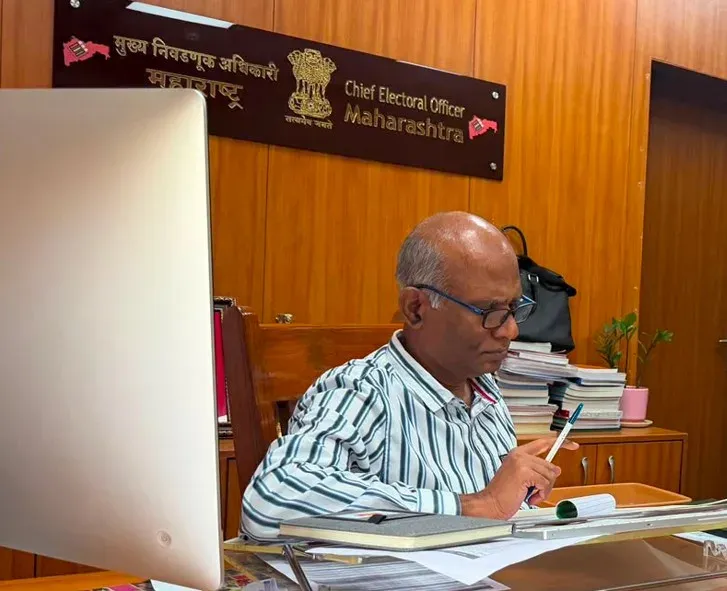
Maharashtra Chief Electoral Officer S. Chockalingam on Monday, 31 August clarified that 2.07 crore electors — categorised under 'Uncollectable Enumeration Forms' during the Special Intensive Revision (SIR) 2026 drive — have not been permanently removed from the state's electoral rolls. The figure represents 21.15 per cent of Maharashtra's 9.78 crore-strong electorate and reflects exclusion only from the draft voter list, not a final deletion.
What the 2.07 Crore Figure Actually Means
Chockalingam broke down the 2.07 crore uncollected forms into five categories: 75.52 lakh absent or untraceable voters; 76.80 lakh permanently shifted; 34.81 lakh deceased; 17.63 lakh duplicate entries or voters registered in another constituency; and 2.23 lakh under miscellaneous reasons.
He was careful to distinguish between categories. 'Absent/Untraceable' covers individuals whose status remains unknown — they may have relocated or been unavailable during visits. 'Permanently Shifted' is applied only when concrete information confirms relocation. 'Deceased' is based on official records, death certificates, or family reports. 'Duplicate/Registered Elsewhere' applies when a voter's name already appears in another constituency.
How Booth Level Officers Conducted the Drive
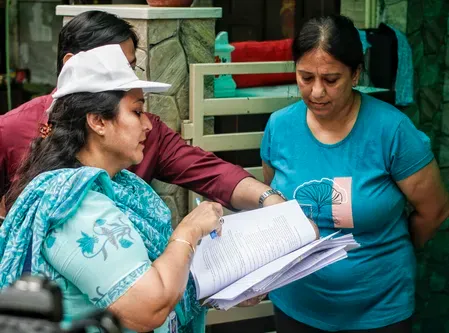
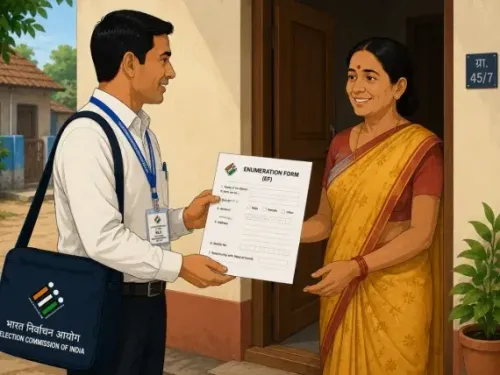
Booth Level Officers (BLOs) were mandated to visit each voter's residence at least once, with up to three follow-up visits if no contact was made. Chockalingam acknowledged practical constraints, particularly in urban areas where many residents return home only after 7 pm or 8 pm, making them unavailable during standard working hours. He also noted that several BLOs are women, which imposes operational limitations on late-evening visits.
'This is why I am clarifying that this process has multiple stages, and we do not claim absolute accuracy at this draft phase,' he said.
What Voters Must Do Now
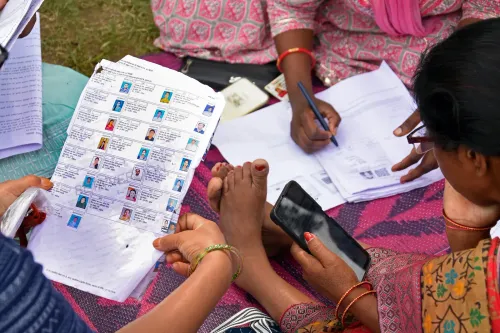
Draft electoral rolls have been published on District Collector websites, with copies also made available to booth-level agents of political parties. Chockalingam urged every voter to individually verify their name and details rather than rely on statewide aggregates.
'I appeal to every voter to check the draft electoral roll. Do not merely look at statewide figures. Check whether your own name is on the list and whether your details are correct. If your name is missing, apply for inclusion. If there is an error, request a correction. If there is an issue regarding removal, you can submit Form 6 to apply for re-inclusion. The draft list is not the final list; a complete process of claims and objections will take place before the final voter list is released,' he said.
What Happens Next
BLOs have been instructed to continue verifying information and to assist eligible voters by collecting Form 6 or Form 8 as required. The draft published on 31 August will be followed by a formal claims-and-objections window before a final, verified voter list is released. The CEO emphasised that the responsibility of verification does not rest with officials alone — every voter in each constituency must actively check the draft roll.
Point of View
Or more than one in five registered voters — was always going to trigger alarm, and the CEO's clarification, while technically correct, underscores a structural problem with field-level implementation. Urban voters who work late are systematically harder to enumerate, which means the draft roll likely skews against working-class and migrant residents in cities. The three-visit rule sounds robust on paper, but without time-of-day flexibility for BLOs, it is a rule designed for a daytime population. The claims-and-objections window is a meaningful safeguard, but only for voters who know it exists — and that awareness gap is the real accountability gap here.
NationPress
15 Oct 2026
Frequently Asked Questions
Are the 2.07 crore Maharashtra voters permanently removed from electoral rolls?
No. Maharashtra Chief Electoral Officer S. Chockalingam has clarified that the 2.07 crore voters flagged under 'Uncollectable Enumeration Forms' during SIR 2026 are excluded only from the draft electoral roll, not permanently deleted. A claims-and-objections process will take place before the final voter list is published.
What is the Special Intensive Revision (SIR) 2026 in Maharashtra?
The Special Intensive Revision (SIR) 2026 is a drive to update Maharashtra's electoral rolls, under which Booth Level Officers visited registered voters' homes to verify details. The draft roll published on 31 August 2026 reflects the outcome of those field visits and is subject to revision through a formal objections process.
What should a voter do if their name is missing from the Maharashtra draft electoral roll?
Voters should check the draft roll on their District Collector's website and, if their name is missing or incorrect, submit Form 6 for re-inclusion or Form 8 for corrections. The CEO has urged every voter to verify their individual entry rather than rely on statewide figures.
Why were so many voters categorised as 'uncollectable' during SIR 2026?
Booth Level Officers could make up to three visits to a voter's home, but urban residents who return late from work were often unavailable during standard hours. Operational constraints — including that many BLOs are women and cannot visit late at night — meant some genuine voters may have been incorrectly categorised, according to Chockalingam.
What are the different categories under the 2.07 crore uncollected forms?
The 2.07 crore uncollected forms are broken into: 76.80 lakh permanently shifted, 75.52 lakh absent or untraceable, 34.81 lakh deceased, 17.63 lakh duplicate or registered elsewhere, and 2.23 lakh under other reasons.