Maharashtra SIR 2026: 2.07 crore voters face exclusion from Draft Electoral Roll
Synopsis
Over 2 crore Maharashtra voters — more than one in five registered electors — are set to be dropped from the state's electoral roll after Phase 1 of SIR 2026 found their forms uncollectable. With Pune, Thane, and Mumbai Suburban topping the exclusion list, the Draft Roll publishes 24 August, giving citizens until 23 September to contest their removal.
Key Takeaways
2.07 crore voters (21.15% of Maharashtra's electorate) face exclusion from the Draft Electoral Roll after SIR 2026 Phase 1 concluded on 17 August 2026 .
Of 9.78 crore registered electors, 7.71 crore (78.85%) successfully submitted signed enumeration forms.
Largest exclusion categories: Permanently Shifted (76.80 lakh) and Absent/Not Found (75.52 lakh).
Districts with highest exclusions: Pune (28.70 lakh), Thane (28.61 lakh), and Mumbai Suburban (26.63 lakh).
Draft Electoral Roll publishes on 24 August 2026 ; citizens can file claims and objections until 23 September 2026 .
Final Electoral Roll scheduled for publication on 27 October 2026 ; false declarations carry up to one year imprisonment under the Representation of the People Act, 1950.
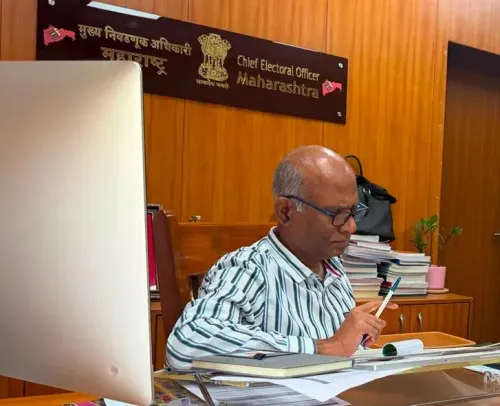
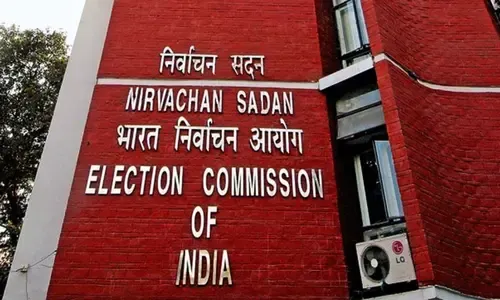
The Office of the Chief Electoral Officer (CEO), Maharashtra, announced on Tuesday, 18 August 2026, that approximately 2.07 crore voters — representing 21.15% of the state's total electorate — are set to be dropped from the upcoming Draft Electoral Roll following the conclusion of the first phase of the Special Intensive Revision (SIR) 2026 on 17 August 2026. The scale of potential exclusions has drawn attention ahead of Maharashtra's next electoral cycle.
How the Enumeration Drive Was Conducted
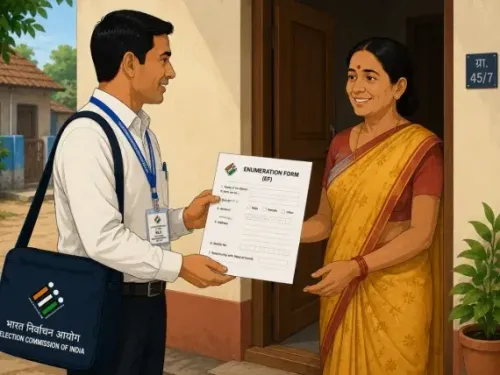
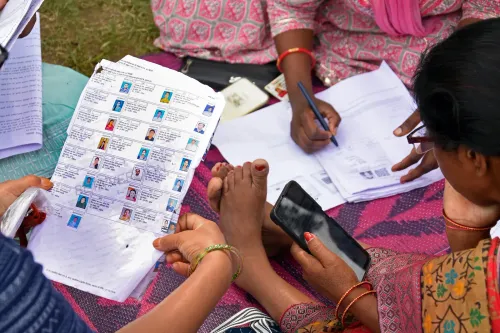
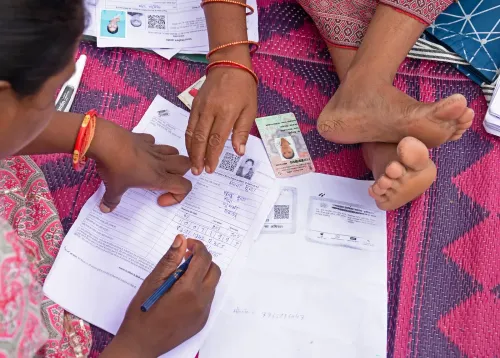
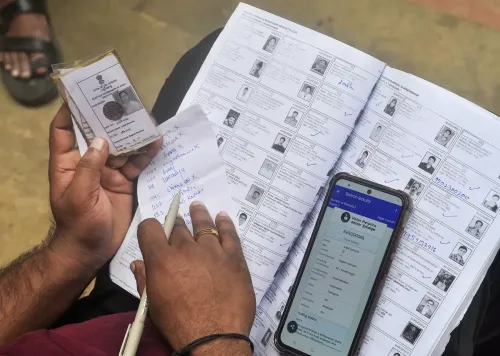
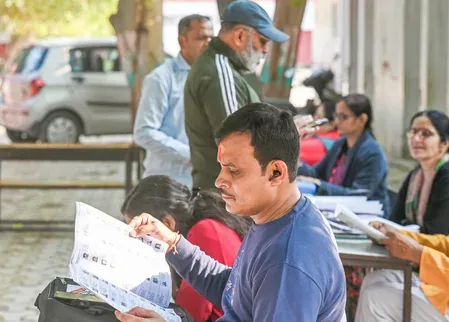
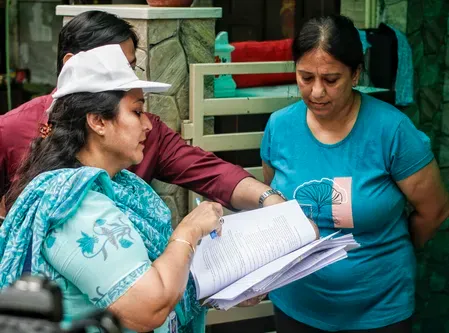
The house-to-house enumeration drive ran from 30 June to 17 August 2026, with Booth Level Officers (BLOs) visiting households across all Assembly Constituencies in the state. Of Maharashtra's 9.78 crore registered electors, 7.71 crore — or 78.85% — successfully submitted signed enumeration forms. The remaining 2.07 crore were classified under the 'Uncollectable Enumeration Form' category, based on statutory ineligibility and on-ground verification findings.
ASDD Breakdown: Who Is Being Excluded
The CEO's office categorised the 2.07 crore uncollected forms under the ASDD (Absent, Shifted, Deceased, Duplicate) framework. The district-wise and category-wise breakdown is as follows:
Permanently Shifted: 76.80 lakh (7.85%) | Absent/Not Found: 75.52 lakh (7.72%) | Deceased: 34.81 lakh (3.56%) | Duplicate/Enrolled Elsewhere: 17.63 lakh (1.80%) | Others: 2.23 lakh (0.23%).
District-wise, Pune accounts for the highest exclusions at 28.70 lakh, followed closely by Thane at 28.61 lakh and Mumbai Suburban at 26.63 lakh. Nagpur contributes 14.44 lakh, Nashik accounts for 10.29 lakh, and Mumbai City records 9.52 lakh exclusions.
Transparency Measures and Political Party Access
To ensure accountability, district authorities uploaded provisional exclusion lists to District Collector websites four days before the drive concluded, allowing recognised political parties to review the data through their Booth Level Agents (BLAs). BLOs were instructed to verify any feedback received from parties and to ensure eligible electors submitted their forms before the final draft was prepared.
The Draft Electoral Roll will be made available to recognised parties in both hard and soft copy formats. Exclusion lists will also be displayed on official district notice boards and state election portals.
Key Dates and How Citizens Can Respond
The Draft Electoral Roll is scheduled for publication on 24 August 2026, opening a month-long window until 23 September 2026 for citizens to file claims and objections. The Final Electoral Roll is scheduled for publication on 27 October 2026.
Citizens unlisted or turning 18 on or before 1 October 2026 (the qualifying date) can apply for inclusion by submitting Form 6 with required declarations and supporting documents. Voters seeking deletion of an invalid entry in their constituency may use Form 7, while Form 8 allows electors to request corrections or updates to existing details.
The CEO's office cautioned that submitting fraudulent information carries a penalty of up to one year of imprisonment, a fine, or both, under Section 31 of the Representation of the People Act, 1950. As the final roll publication date approaches, eligible voters are urged to verify their status on official portals and act within the objection window.
Point of View
If not carefully managed, disenfranchise genuinely eligible voters who were simply absent on enumeration day. With 75.52 lakh classified as 'Absent/Not Found' — the second-largest category — the risk of wrongful exclusion is real, particularly for migrant workers and daily-wage earners who are rarely home during BLO visits. The one-month objection window is a safeguard, but it places the burden squarely on voters to prove they exist, rather than on the system to prove they don't. Maharashtra's opposition parties would be wise to deploy their BLAs aggressively before 23 September.
NationPress
3 Oct 2026
Frequently Asked Questions
What is the Maharashtra Special Intensive Revision (SIR) 2026?
The Special Intensive Revision (SIR) 2026 is a state-wide electoral roll update exercise conducted by the Chief Electoral Officer, Maharashtra. Booth Level Officers carried out house-to-house visits across all Assembly Constituencies from 30 June to 17 August 2026 to verify and update voter registrations.
Why are 2.07 crore voters being excluded from the Maharashtra electoral roll?
The 2.07 crore voters were classified under the ASDD (Absent, Shifted, Deceased, Duplicate) framework because their enumeration forms could not be collected during the drive. Categories include permanently shifted (76.80 lakh), absent or not found (75.52 lakh), deceased (34.81 lakh), duplicate or enrolled elsewhere (17.63 lakh), and others (2.23 lakh).
When will the Maharashtra Draft Electoral Roll be published, and how can voters object?
The Draft Electoral Roll is scheduled for publication on 24 August 2026. Citizens have until 23 September 2026 — a one-month window — to file claims and objections. Voters can use Form 6 for new inclusion, Form 7 to request deletion of an invalid entry, and Form 8 to correct or update existing details.
Which districts in Maharashtra have the highest number of voter exclusions?
Pune leads with 28.70 lakh exclusions, followed by Thane (28.61 lakh) and Mumbai Suburban (26.63 lakh). Nagpur accounts for 14.44 lakh, Nashik for 10.29 lakh, and Mumbai City for 9.52 lakh.
When will the Final Electoral Roll for Maharashtra be published?
The Final Electoral Roll is scheduled for publication on 27 October 2026. Citizens who are newly eligible — turning 18 on or before 1 October 2026 — can apply for inclusion using Form 6 before the roll is finalised.