Maharashtra SIR 2026: 1.8 crore voters risk deletion from draft electoral roll
Synopsis
Nearly 1.80 crore Maharashtra voters — 18.46% of the electorate — could be struck off the draft electoral roll after their Enumeration Forms went uncollected. With Mumbai and Mumbai Suburban posting a 30% ASDD rate and the collection deadline set for 17 August 2026, the scale of urban voter exclusion ahead of Local Authority elections makes this one of the most consequential electoral exercises the state has seen in years.
Key Takeaways
1,80,60,697 voters (18.46%) in Maharashtra face deletion from the draft electoral roll under the ongoing SIR 2026 .
Of 9,78,54,049 total electors, only 77.77% of distributed Enumeration Forms have been returned, signed, and digitised.
ASDD rates are highest in Thane, Nagpur, Mumbai, Pune, Palghar , and Raigad ; Mumbai and Mumbai Suburban show a 30% uncollected rate.
The deadline for form collection is 17 August 2026 ; the Draft Electoral Roll will be published on 24 August 2026 .
Voters facing deletion can register using Form 6 during the claims window ( 24 August – 23 September 2026 ).
Final electoral rolls are scheduled for publication on 27 October 2026 .
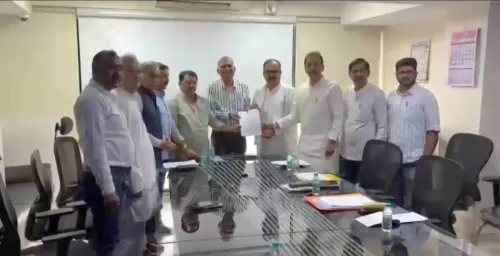
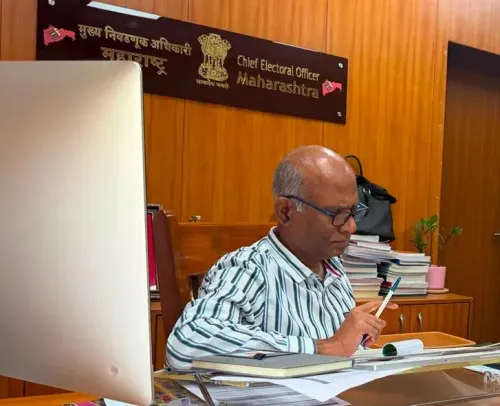
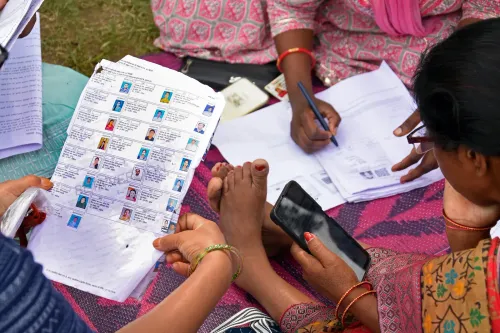
Around 1.80 crore voters in Maharashtra face deletion from the state's draft electoral roll under the ongoing Special Intensive Revision (SIR) of Electoral Rolls 2026, after their Enumeration Forms went uncollected during the revision exercise. State Chief Electoral Officer S Chockalingam disclosed the figures on 12 August 2026 at a press conference following a meeting with political party representatives.
Key Numbers from the Revision Exercise
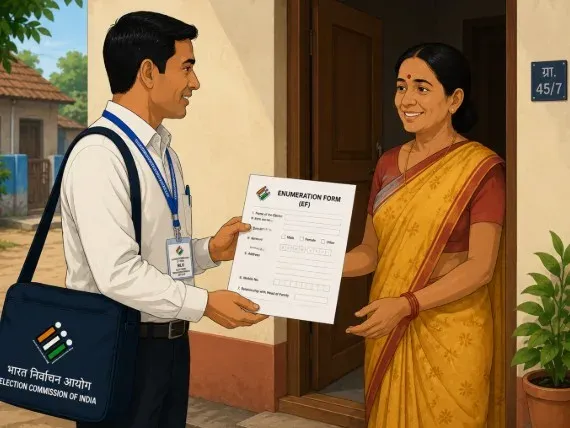
Of Maharashtra's total 9,78,54,049 registered electors, Enumeration Forms were distributed to 9,69,54,766 voters — covering 99.08% of the electorate. However, only 7,60,98,153 forms (77.77%) have been returned, signed, and digitised so far.
A total of 1,80,60,697 forms — representing 18.46% of the electorate — remain uncollected under the ASDD category, which covers electors who are Absent, Shifted, Deceased, or Duplicate. An additional 36,95,199 electors (3.78%) are pending action.
Urban Districts See Highest ASDD Rates
Election authorities noted that the proportion of ASDD electors is disproportionately high in urban centres. The districts of Thane, Nagpur, Mumbai, Pune, Palghar, and Raigad recorded the highest uncollected form rates. In Mumbai and Mumbai Suburban districts specifically, only 63% of forms have been digitised, while 30% remain uncollected under the ASDD category.
Chockalingam sought to contextualise the scale of potential deletions, stating: 'The number is not unusual, and we have seen deletion of around 13–18 per cent at national level in other states.'
What the Government Said
Voters facing deletion have been assured of a remedy: they can submit Form 6 to apply for fresh registration. The deadline for collecting Enumeration Forms from electors is 17 August 2026. The Draft Electoral Roll will be published on 24 August 2026, opening a claims-and-objections window until 23 September 2026. The final electoral rolls are scheduled for publication on 27 October 2026.
Notably, voters who refuse to accept, sign, or submit the Enumeration Form will not be included in the Draft Electoral Roll, according to election authorities.
Verification Protocols and Anti-Duplication Measures
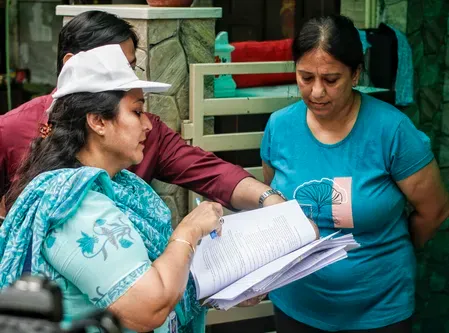
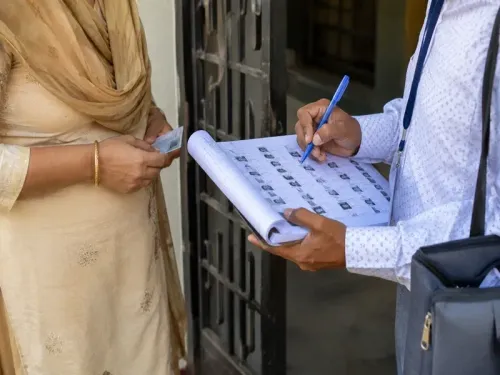
District Election Officers (DEOs) have been directed to enforce strict verification. Booth Level Officers (BLOs) will hold joint meetings with political party Booth Level Agents (BLAs) and conduct door-to-door visits to assist in form collection. Meeting records must be uploaded on ECINET via the BLO App, and ASDD lists will be published on official district websites.
To eliminate duplicate entries, the commission is deploying Photo Similar Entries (PSE) and Data Similar Entries (DSE) checks. Where an elector appears at multiple locations, only the form submitted at their current primary residence will be accepted; other entries will be flagged as 'Already Enrolled.'
Under Section 31 of the Representation of the People Act, 1950, making a false declaration in connection with electoral rolls is a punishable offence carrying imprisonment of up to one year, a fine, or both. Sections 17 and 18 of the Act strictly prohibit registration in more than one constituency.
What Comes Next
New voters turning 18 on or before 1 October 2026, and eligible citizens whose names do not appear in the draft, can apply for inclusion using Form 6 during the claims period. Objections to any entry must be filed using Form 7. The State Election Commission has also directed local body authorities to cooperate fully, as these assembly rolls will serve as the basis for upcoming Local Authority elections.
Point of View
But the concentration of uncollected forms in Maharashtra's largest urban districts — Mumbai, Thane, Pune — raises a structural question: is the revision exercise designed for settled rural voters rather than a highly mobile urban electorate? A 30% uncollected rate in Mumbai is not a data-collection anomaly; it is a signal that the BLO-BLA door-to-door model is under-resourced for dense, transient city populations. With the same rolls feeding into Local Authority elections, the downstream democratic consequences of mass deletions deserve more scrutiny than the 'nationally normal' framing suggests.
NationPress
27 Sept 2026
Frequently Asked Questions
Why are 1.80 crore Maharashtra voters facing deletion from electoral rolls?
These voters face deletion because their Enumeration Forms were not collected during the Special Intensive Revision (SIR) 2026 exercise — they fall under the ASDD category, meaning they were found to be Absent, Shifted, Deceased, or Duplicate at their registered address. State Chief Electoral Officer S Chockalingam confirmed the figure on 12 August 2026, noting that an 18% deletion rate is consistent with national trends seen in other states.
What can voters do if they face deletion from the Maharashtra draft electoral roll?
Voters who face deletion can submit Form 6 to apply for fresh registration during the claims-and-objections window, which runs from 24 August to 23 September 2026. New voters turning 18 on or before 1 October 2026 can also use Form 6 to apply for inclusion in the roll.
When will the Maharashtra Draft Electoral Roll 2026 be published?
The Draft Electoral Roll will be published on 24 August 2026, following the Enumeration Form collection deadline of 17 August 2026. The final electoral rolls are scheduled for publication on 27 October 2026.
Which districts in Maharashtra have the highest ASDD rates?
The ASDD rate is highest in urban districts — Thane, Nagpur, Mumbai, Pune, Palghar, and Raigad. In Mumbai and Mumbai Suburban districts, 30% of forms remain uncollected under the ASDD category, compared to an overall state rate of 18.46%.
What is the Special Intensive Revision (SIR) of Electoral Rolls 2026?
The SIR 2026 is a comprehensive exercise by the Election Commission to update and verify Maharashtra's voter list across all Assembly Constituencies. It involves distributing Enumeration Forms to all registered electors, collecting signed forms, digitising data, removing ineligible entries, and publishing a revised draft roll for public scrutiny before finalisation.