Maharashtra SIR: Congress flags 2.06 crore voter deletions, seeks 2-month extension
Synopsis
Maharashtra Congress has alleged that over 2.06 crore voters — more than one in five registered electors — have been pushed into a deletion category under the ongoing Special Intensive Revision exercise. With 1.22 crore more facing notice over data mismatches and 40 lakh recently added names already removed, the MPCC is calling it a democratic emergency and demanding a two-month extension.
Key Takeaways
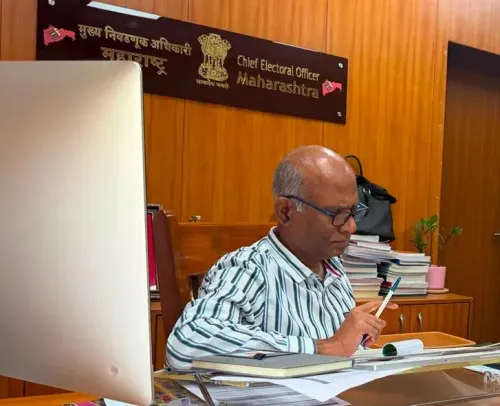
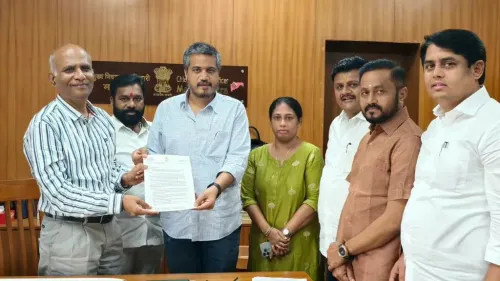
The MPCC submitted a representation to Maharashtra Chief Electoral Officer S.
Chockalingam on 22 September over alleged SIR irregularities.
Over 2.06 crore voters ( 21.14% of Maharashtra's 9.78 crore electorate) have been moved to the ASDDO deletion category, according to Congress.
Nearly 40 lakh voters added during the 2024 elections have reportedly been removed over the last 22 months .
More than 1.22 crore voters face notices due to unmapped links with the 2002 electoral rolls or data anomalies.
Around 25,000 duplicate names were allegedly found across six Assembly constituencies in Nagpur district .
Congress is demanding a two-month extension of the revision exercise and doorstep hearings for senior citizens and persons with disabilities.
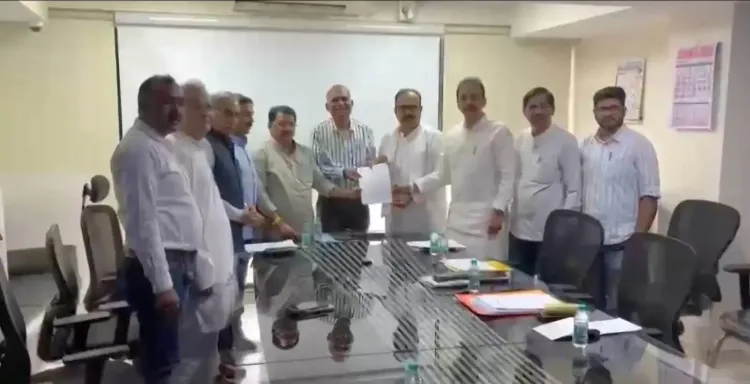
The Maharashtra Pradesh Congress Committee (MPCC) on Tuesday, 22 September alleged that serious irregularities in the ongoing Special Intensive Revision (SIR) of electoral rolls in Maharashtra could disenfranchise lakhs of eligible voters, threatening democratic participation across the state. The party submitted a formal representation to Maharashtra Chief Electoral Officer S. Chockalingam, demanding urgent corrective action.
Scale of Alleged Deletions
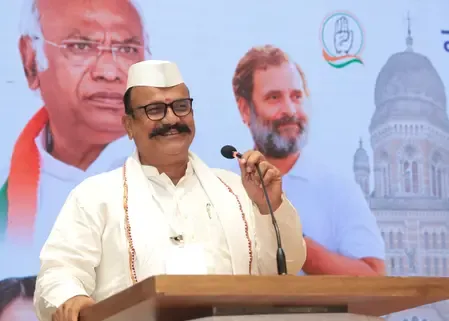
A Congress delegation led by state party president Harshwardhan Sapkal claimed that out of Maharashtra's 9.78 crore registered voters, over 2.06 crore names — accounting for 21.14 per cent of the total electorate — have been moved to the Absent, Shifted, Dead, Duplicate and Others (ASDDO) category. The party further alleged that nearly 40 lakh voters who were added during the 2024 elections had been removed over the last 22 months.
Additionally, the MPCC claimed that over 1.22 crore voters have received notices owing to unmapped links with the 2002 electoral rolls or other data anomalies, potentially placing genuine voters at risk of exclusion. This is the most sweeping set of allegations levelled against a voter-roll revision exercise in Maharashtra in recent years.
Duplicate Entries and Process Delays
The party alleged that duplicate entries persist despite the revision exercise being underway. Citing Nagpur district as a specific example, Congress said approximately 25,000 duplicate names were identified across the Kamthi, Hingna, Ramtek, Umred, Saoner and Katol Assembly constituencies. It also alleged that physical notices to voters were delayed by 15 to 20 days, undermining the effectiveness of the SIR process.
The party noted that the ongoing claims and objections window — running from 31 August to 30 September — coincides with major festivals including Janmashtami, Bail Pola and Ganesh Utsav, which it argued had reduced public participation in the revision process.
Concerns Over Ground-Level Implementation
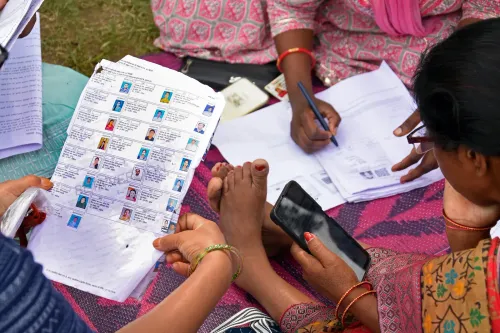
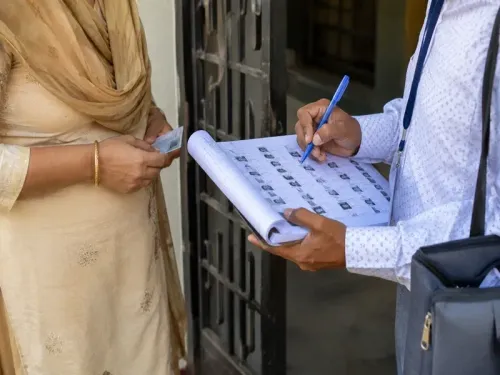
Congress also raised concerns about the workload placed on school teachers serving as Booth Level Officers (BLOs), arguing that election duties alongside academic responsibilities could compromise both the quality of the revision exercise and students' education. This comes amid broader concerns about the adequacy of administrative resources during large-scale electoral roll revisions.
Key Demands Put to the Election Authority
In its memorandum, the MPCC sought a two-month extension of the revision exercise to allow voters sufficient time to complete registrations, file Form 6 applications and respond to notices. Among the specific demands were: broader acceptance of commonly available identity documents — including ration cards, MGNREGS job cards, Aadhaar cards, PAN cards, school leaving certificates, assessment extracts and gazette notifications for married women.
The party further called for mandatory notices and in-person hearings in cases where voter status is challenged through Form 7, citing principles of natural justice. It also recommended doorstep hearings for senior citizens, persons with disabilities and medically unfit voters. Congress additionally demanded the appointment of Assistant BLOs at booths with more than 600 voters and the daily online publication of booth-wise data on Forms 6, 7 and 8 received during the objection period.
The party maintained that unless corrective measures are taken urgently, the Election Commission's stated objective of ensuring no eligible voter is excluded while weeding out ineligible entries risks being undermined in practice.
Point of View
Yet too convenient to accept unchecked ahead of electoral cycles. The overlap of the objection window with major festivals is a genuine process design flaw that the Election Commission should address regardless of political affiliation. What the Congress has not resolved is the tension in its own position: demanding both stricter duplicate removal and broader document acceptance simultaneously. The deeper issue is that India's voter-roll revision machinery still rests heavily on schoolteachers and manual verification, a structural mismatch for a state of Maharashtra's size that no single extension will fix.
NationPress
22 Sept 2026
Frequently Asked Questions
What is the Special Intensive Revision (SIR) of electoral rolls in Maharashtra?
The Special Intensive Revision (SIR) is a periodic exercise conducted by the Election Commission to update voter rolls by adding eligible new voters, removing ineligible entries and correcting data errors. In Maharashtra, the current SIR has a claims and objections period running from 31 August to 30 September 2025.
How many voters has Congress alleged are at risk of being deleted?
The MPCC has alleged that over 2.06 crore voters — representing 21.14 per cent of Maharashtra's 9.78 crore electorate — have been moved to the ASDDO (Absent, Shifted, Dead, Duplicate and Others) category. An additional 1.22 crore voters have reportedly received notices due to data anomalies linked to the 2002 electoral rolls.
Why is Congress demanding a two-month extension of the SIR exercise?
Congress argues that notice distribution was delayed by 15 to 20 days and that the objection window coincides with major festivals, reducing voter participation. The party wants more time for voters to file Form 6 applications, respond to notices and complete registrations without risk of exclusion.
What documents has Congress demanded be accepted as proof for voter verification?
The MPCC has called for broader acceptance of ration cards, MGNREGS job cards, Aadhaar cards, PAN cards, school leaving certificates, assessment extracts and gazette notifications for married women — all commonly available identity documents — to reduce the risk of genuine voters being struck off the rolls.
Who is affected by the alleged irregularities in the Maharashtra voter roll revision?
According to the Congress, eligible voters across Maharashtra face the risk of disenfranchisement, with particular vulnerability for those whose names were added in 2024, those linked to older 2002 roll data, senior citizens, persons with disabilities and voters in constituencies with overworked Booth Level Officers.