Sonowal hails GSLV-F18 NVS-03 launch, NavIC milestone
Synopsis
Union Minister Sarbananda Sonowal congratulated ISRO on the successful GSLV-F18 launch of the NVS-03 satellite, describing it as a crucial milestone for India's indigenous NavIC navigation system and its push for strategic self-reliance in space.
Key Takeaways
ISRO successfully launched GSLV-F18 carrying the NVS-03 navigation satellite on 31 October 2026 .
NVS-03 is part of the second-generation NavIC series, which began with NVS-01 in 2023 .
India's NavIC programme dates to 2013 , designed to provide indigenous satellite navigation independent of foreign systems like GPS.
Union Minister Sarbananda Sonowal highlighted the mission's role in advancing Atmanirbhar Bharat goals in space technology.
The maritime navigation and defence sectors are among the key stakeholders awaiting a fully operational NavIC constellation.
Further NVS-series launches are still needed before NavIC achieves complete operational capability.
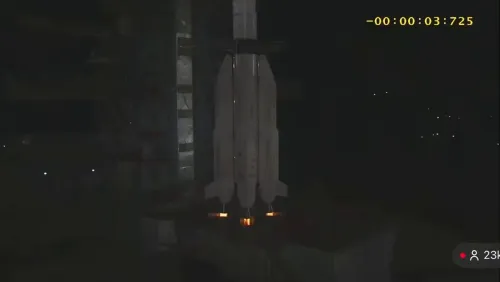
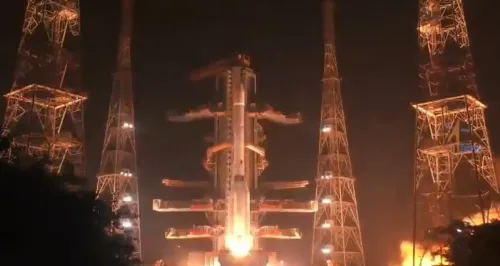
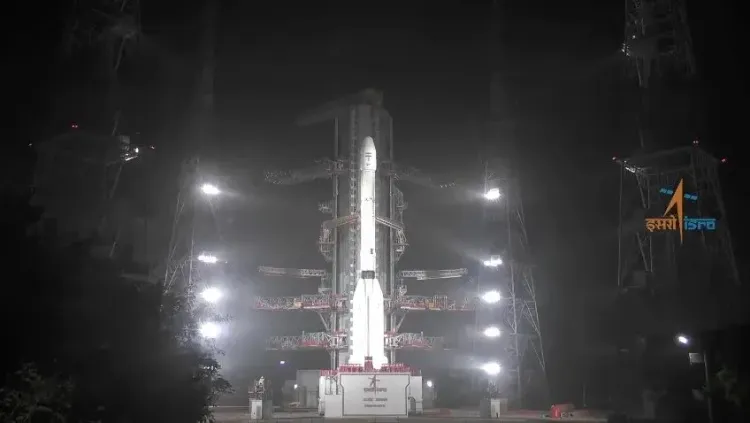
India's space programme cleared another significant threshold on Saturday, 31 October 2026, as ISRO successfully launched the GSLV-F18 rocket carrying the NVS-03 navigation satellite — and the congratulations came swiftly from the highest offices of government. Union Minister of Ports, Shipping and Waterways Sarbananda Sonowal took to X to applaud the achievement, calling it 'a crucial milestone toward self-reliance in space technologies.'
What NVS-03 adds to India's NavIC constellation
The NVS-03 satellite is the latest addition to the second-generation NavIC series — India's home-grown answer to the American GPS. The Naval with Indigenous Constellation (NavIC) programme traces its roots to 2013, when India launched the first satellite of the original IRNSS constellation. A decade later, the programme entered its next chapter with the launch of NVS-01 in 2023, the debut of the upgraded second-generation series featuring enhanced accuracy and extended coverage. NVS-03 continues that lineage.
The goal is unambiguous: give India autonomous, unjammable positioning data that no foreign power can switch off. That strategic logic sits squarely inside the Atmanirbhar Bharat framework — the government's push for self-reliance across critical technologies. Each new satellite in the constellation tightens that net.
Why a Ports Minister is watching the skies
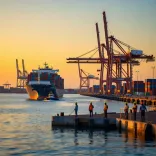
Sonowal's enthusiasm is more than ceremonial. Maritime navigation is one of NavIC's most consequential civilian applications, and as the minister overseeing India's ports and shipping sector, he has a direct stake in when and how Indian vessels stop depending on GPS. A fully operational NavIC constellation could anchor everything from coastal vessel tracking to port-approach guidance — reducing vulnerability to external signal denial in contested waters.
His post specifically praised the 'dedication and brilliance' of ISRO scientists, a nod to the engineering teams whose sustained work across successive launches has kept the constellation growing. India's defence forces, too, are among the primary stakeholders watching each NVS launch with close interest.
The remaining road to full NavIC coverage
Despite the momentum, the constellation is not yet complete. Analysts and space-policy observers have consistently flagged the need for additional NVS-series launches before NavIC can be declared fully operational across all designated use-cases — civilian, maritime, and military. Each successful insertion into geosynchronous orbit closes that gap. GSLV-F18's clean performance with NVS-03 keeps that schedule alive.
India has built its space ambitions methodically, and the NavIC programme exemplifies that patience. From a single 2013 satellite to a second-generation constellation now taking shape, the arc has been long. But it is bending — orbit by orbit — toward the finish line.
Point of View
Not a distant aspiration. The political messaging around each ISRO success also serves a domestic narrative: space self-reliance is framed as national pride made tangible. The critical question now is the pace of remaining NVS launches and whether NavIC adoption across civilian and defence platforms can keep up with the constellation's growth.
NationPress
31 Oct 2026
Frequently Asked Questions
What is the NVS-03 satellite and what does it do?
NVS-03 is the latest second-generation satellite for India's indigenous NavIC navigation system, launched aboard GSLV-F18. It strengthens the constellation that provides positioning, navigation and timing services independent of foreign systems like GPS.
What is NavIC and how is it different from GPS?
NavIC (Navigation with Indian Constellation) is India's own regional satellite navigation system developed by ISRO. Unlike GPS, which is controlled by the United States, NavIC gives India sovereign control over its navigation data, critical for defence and civilian applications.
When did India start building the NavIC system?
India launched its first IRNSS navigation satellite in 2013, beginning the NavIC constellation. The second-generation NVS series, featuring improved capabilities, started with NVS-01 in 2023.
Why did Union Minister Sarbananda Sonowal congratulate ISRO for NVS-03?
As Union Minister of Ports, Shipping and Waterways, Sonowal has a direct policy interest in NavIC, since maritime navigation is one of the system's key civilian applications. He praised the launch as a milestone for India's space self-reliance.
Is NavIC fully operational after the NVS-03 launch?
Not yet. While NVS-03 significantly strengthens the constellation, further NVS-series satellite launches are still required before NavIC achieves complete operational capability across all civilian, maritime and defence use-cases.