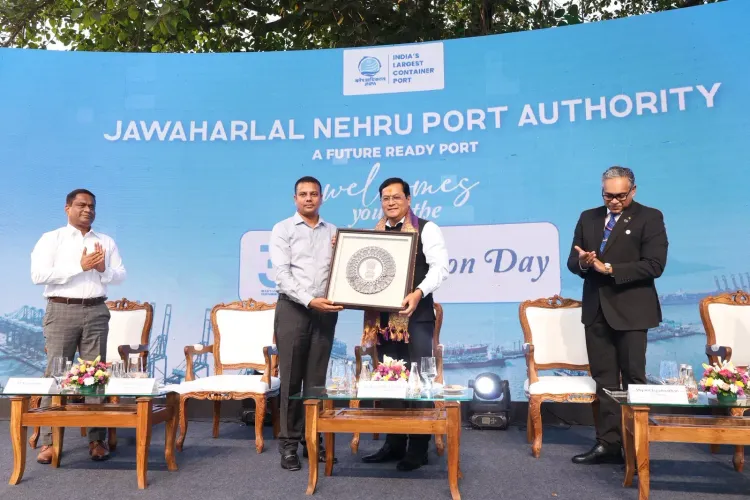
Sonowal attends JNPA's 37th Foundation Day in Mumbai
Synopsis
Union Minister Sarbananda Sonowal attended the 37th Foundation Day of Jawaharlal Nehru Port Authority in Mumbai on 29 May 2026, highlighting the port's role as India's premier container gateway and congratulating its workforce on the milestone.
Key Takeaways
Sarbananda Sonowal attended JNPA's 37th Foundation Day in Mumbai on 29 May 2026 .
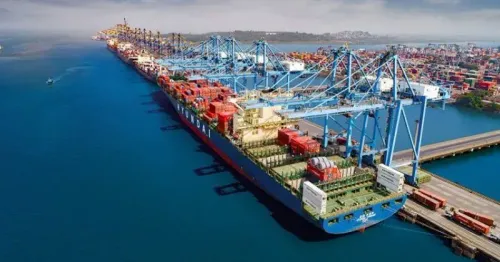
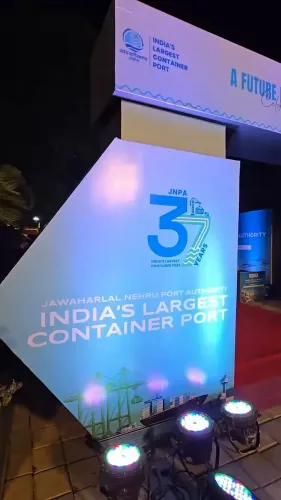
JNPA , commissioned in 1989 , is India's largest container port, located in Navi Mumbai .
The port is a focal point of the Sagarmala Project (2015) and Maritime India Vision 2030 .
JNPA handles the bulk of India's containerised cargo, directly impacting shipping lines, exporters and logistics operators .
The minister described JNPA's trajectory as a growth story with significant impact on India's maritime presence.
Upcoming capacity-expansion milestones and parliamentary discussions on port modernisation funding are the next key watchpoints.
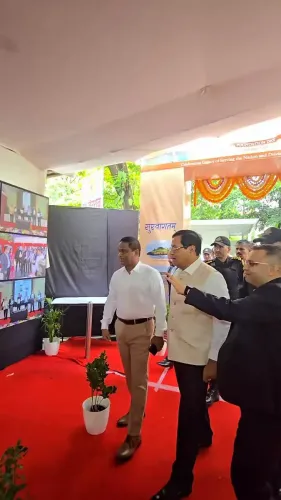
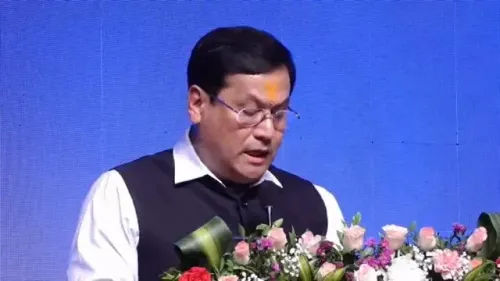
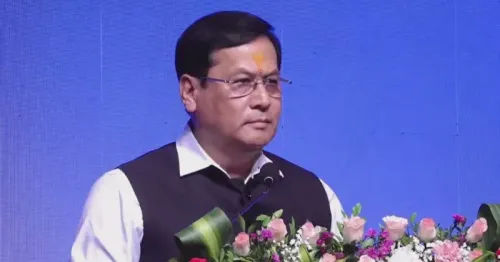
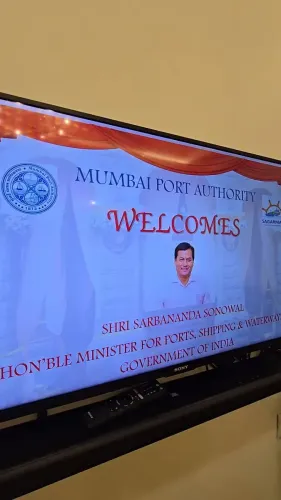
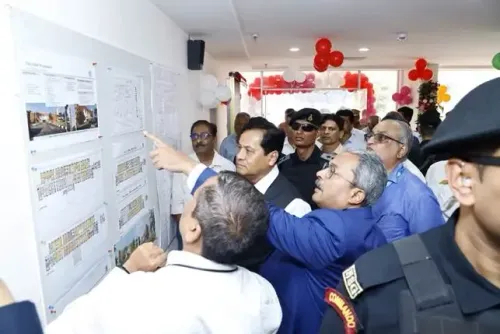
Union Minister of Ports, Shipping and Waterways Sarbananda Sonowal attended the 37th Foundation Day celebrations of the Jawaharlal Nehru Port Authority (JNPA) in Mumbai on Friday, 29 May 2026, congratulating the port's leadership and workforce on the milestone anniversary.
Context
JNPA, located at Navi Mumbai, is India's largest container port and a critical gateway for the country's international trade. Commissioned in 1989, the port has grown over nearly four decades into the centrepiece of India's container-handling infrastructure, processing the bulk of the nation's containerised cargo volumes. Sonowal described JNPA's trajectory as a 'growth story' that 'continues to significantly impact our nation's maritime presence.'
The Foundation Day marks the port's operational anniversary and is observed each year with internal ceremonies recognising the contributions of port staff, stevedores, and associated logistics personnel. The minister's attendance signals continued high-level political engagement with India's major port institutions.
Policy Backdrop
JNPA's expansion sits within two overlapping policy frameworks. The Sagarmala Project, launched in 2015, set out a port-led development model aimed at modernising India's coastline and reducing logistics costs for exporters. Building on that, Maritime India Vision 2030, released in 2021, set targets for higher port capacity, faster turnaround times, and deeper integration of ports with inland transport corridors.
Successive administrations have treated capacity addition at major ports as a lever for improving export competitiveness. JNPA has been a focal point of these efforts through multiple expansion phases, including berth additions and mechanisation drives aimed at cutting dwell times and handling costs for shipping lines and cargo owners.
Stakeholders and Impact
The port's performance directly affects shipping lines, exporters, and logistics operators who route containerised goods through the Mumbai gateway. Delays or inefficiencies at JNPA have an outsized effect on India's overall trade logistics because of the port's dominant share of container throughput. Improvements in turnaround and capacity translate into lower costs across the supply chain, benefiting manufacturers and traders from across the country.
The JNPA family — as Sonowal termed the port's workforce — includes thousands of direct employees, dock workers, customs officials, and ancillary service providers whose livelihoods are tied to the port's operational health. Foundation Day events serve as an occasion to recognise this workforce and reaffirm institutional commitment to the port's mandate.
What's Next
Attention will now turn to JNPA's next capacity-expansion milestones, including any new berth developments or mechanisation investments announced in the near term. Parliamentary discussions on port modernisation funding under the Sagarmala framework and progress updates under Maritime India Vision 2030 will be closely watched by the shipping and logistics industry.
As India pushes to lower its logistics costs as a share of GDP — a long-standing ambition of trade policy — the performance of flagship ports like JNPA will remain a key metric for measuring the success of the government's maritime infrastructure agenda.
Point of View
Lending ministerial visibility to an institution central to the country's trade logistics. The visit reinforces the political messaging around Maritime India Vision 2030 at a time when India's logistics cost competitiveness remains a live policy debate. For JNPA specifically, high-level attention helps sustain institutional morale and signals continued budgetary and regulatory support for expansion. The broader pattern — ministers attending port anniversaries and capacity launches — reflects a deliberate strategy of keeping maritime infrastructure in the public policy conversation ahead of trade and investment negotiations.
NationPress
13 Oct 2026
Frequently Asked Questions
What is JNPA and why is it important?
JNPA, or Jawaharlal Nehru Port Authority, is India's largest container port located in Navi Mumbai. Commissioned in 1989, it handles the majority of India's containerised international trade and is central to the country's logistics and export infrastructure.
When was JNPA's 37th Foundation Day celebrated?
JNPA's 37th Foundation Day was celebrated on 29 May 2026, with Union Minister Sarbananda Sonowal attending the event in Mumbai.
What is the Sagarmala Project?
The Sagarmala Project, launched in 2015, is a central government initiative for port-led development aimed at modernising India's coastline, expanding port capacity, and reducing logistics costs for exporters.
What is Maritime India Vision 2030?
Maritime India Vision 2030 is a policy framework released in 2021 that sets targets for higher port capacity, faster vessel turnaround times, and better integration of ports with inland transport networks across India.
Who is Sarbananda Sonowal?
Sarbananda Sonowal is the Union Minister of Ports, Shipping and Waterways, a senior BJP leader, and former Chief Minister of Assam. He oversees port development, shipping policy, and inland waterways expansion in India.