Sonowal: PM Modi champions Indian seafarers at G7 Summit
Synopsis
Union Minister Sarbananda Sonowal has lauded PM Modi's championing of Indian seafarers' welfare at the G7 Summit, calling them the backbone of global maritime trade and reaffirming the government's commitment to their safety and security.
Key Takeaways
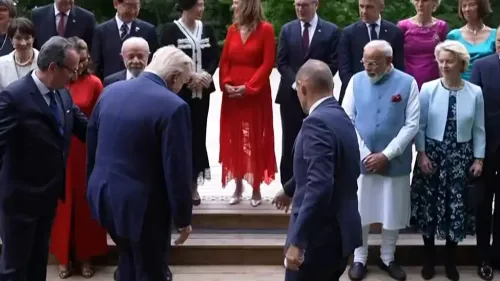
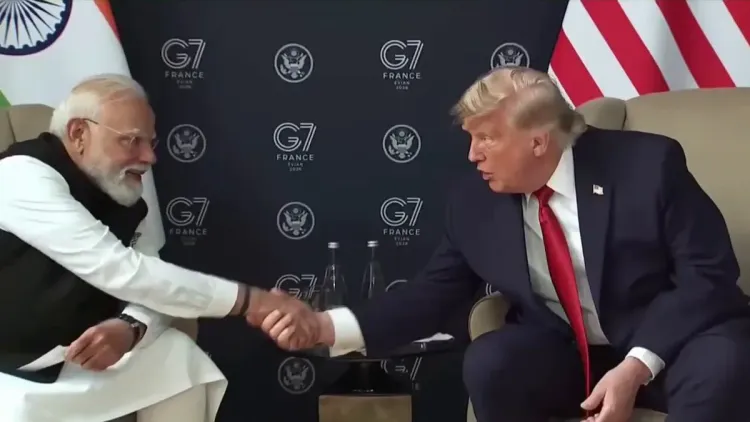
Union Minister Sarbananda Sonowal credited PM Narendra Modi with raising the welfare of Indian seafarers at the G7 Summit on 18 June 2026 .
Sonowal described Indian seafarers as 'the true bulwark of global maritime trade and proud ambassadors of the nation.' India acceded to the Maritime Labour Convention 2006 in 2015 , strengthening protections for seafarers on foreign-flagged vessels.
Maritime India Vision 2030 , launched in 2021 , aims to expand seafarer training and welfare infrastructure.
India has consistently used guest participation at G7 and multilateral forums to highlight its maritime workforce's role in global supply chains.
Future policy focus is expected on IMO Assembly interventions and potential new seafarer welfare provisions in upcoming legislation.
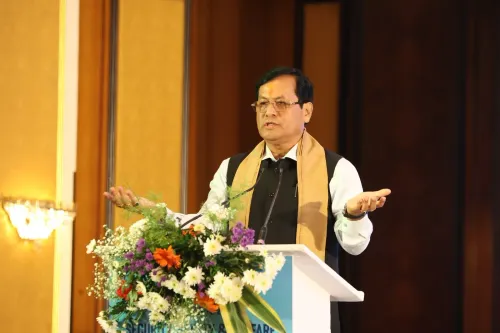
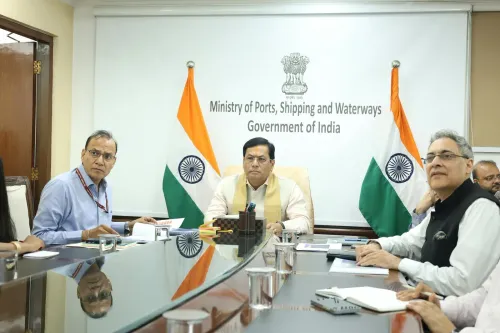
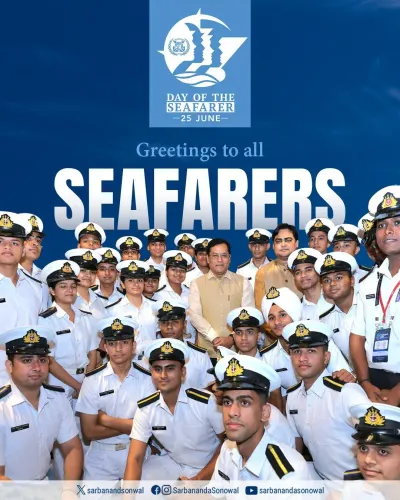
Union Minister of Ports, Shipping and Waterways Sarbananda Sonowal on Thursday, 18 June 2026, hailed Prime Minister Narendra Modi's advocacy for Indian seafarers at the G7 Summit, calling it the strongest expression of their voice on the global stage. Sonowal described seafarers as 'the true bulwark of global maritime trade and proud ambassadors of the nation,' underscoring the government's commitment to their safety, security, and welfare.
Context
In his post, Sonowal wrote: 'The voice of India's seafarers found its strongest expression at the global stage through Hon'ble PM Shri Narendra Modi Ji at the #G7Summit.' The statement positions the Prime Minister's participation in the summit as a diplomatic moment for India's maritime workforce, a community that forms a significant part of global shipping crews. India is among the world's leading suppliers of trained maritime professionals, with hundreds of thousands of seafarers serving on internationally flagged vessels at any given time.
Policy Backdrop
India launched Maritime India Vision 2030 in 2021 to expand seafarer training, upgrade welfare facilities, and grow the country's global shipping footprint. Earlier, in 2015, India acceded to the Maritime Labour Convention 2006, strengthening legal protections for Indian seafarers employed on foreign-flagged ships. These two pillars have formed the backbone of domestic maritime labour policy over the past decade.
As the minister responsible for the sector, Sonowal has consistently paired port modernisation drives under the Sagarmala Programme with diplomatic advocacy at multilateral forums. The government has used India's guest presence at G7 and other gatherings to draw attention to the outsized role Indian seafarers play in sustaining global supply chains, particularly in the wake of disruptions that exposed vulnerabilities in international shipping.
Stakeholders and Impact
Indian seafarers and their families are the most direct beneficiaries of any diplomatic push for stronger welfare standards. Safety protocols, grievance redressal mechanisms, and wage protections negotiated at the international level have tangible consequences for crew members aboard vessels operating far from home. Industry bodies representing ship owners and crewing agencies also watch such interventions closely, as they shape certification requirements and port-state control inspections.
Broader maritime trade stakeholders — including exporters, logistics firms, and port operators — stand to gain from a stable, well-protected seafaring workforce. Any commitments made at forums like the G7 can filter through to the International Maritime Organization (IMO), where binding standards are ultimately set.
What's Next
Attention will now turn to India's interventions at the next IMO Assembly session and whether the government introduces new seafarer welfare provisions in upcoming maritime legislation or the Union Budget. Sonowal's public framing of the G7 moment as a landmark for Indian seafarers signals that the Ministry of Ports, Shipping and Waterways intends to build on this diplomatic momentum. How that translates into concrete policy measures — from enhanced distress funds to expanded training berths — will determine the real-world impact for the workers at the centre of this advocacy.
Point of View
Using the G7 platform to signal that seafarer welfare is now a foreign-policy priority, not merely a labour ministry concern. The framing — 'every Indian life matters' — echoes a citizen-centric governance narrative that the ruling party has deployed across sectors, from evacuation operations abroad to consular services. By anchoring the message to PM Modi's personal intervention, the Ministry of Ports, Shipping and Waterways is also staking a claim in the broader diplomatic dividend of G7 participation. The real test will be whether this political signalling translates into binding international commitments or measurable improvements in the welfare infrastructure available to Indian seafarers at home and abroad.
NationPress
18 Sept 2026
Frequently Asked Questions
What did PM Modi say about Indian seafarers at the G7 Summit?
Minister Sonowal's post states that PM Modi gave the strongest expression to the voice of India's seafarers at the G7 Summit, though the specific remarks made by the Prime Minister have not been detailed in the public statement.
How many Indian seafarers work on international ships?
India is one of the world's largest suppliers of maritime professionals, with hundreds of thousands of Indian seafarers serving on internationally flagged vessels, though precise current figures vary by source.
What is Maritime India Vision 2030?
Maritime India Vision 2030 is a government blueprint launched in 2021 to modernise ports, expand seafarer training capacity, improve welfare facilities, and increase India's share of global shipping.
What is the Maritime Labour Convention and has India signed it?
The Maritime Labour Convention 2006 is an international treaty that sets minimum working and living standards for seafarers worldwide. India acceded to it in 2015 , extending its protections to Indian crew on foreign-flagged ships.
What is Sarbananda Sonowal's role in India's maritime sector?
Sarbananda Sonowal serves as the Union Minister of Ports, Shipping and Waterways and is a senior BJP leader and former Chief Minister of Assam . He oversees port development, shipping policy, and seafarer welfare at the national level.