Sonowal Pays Tribute to Saint Madhavdev on His Tithi
Synopsis
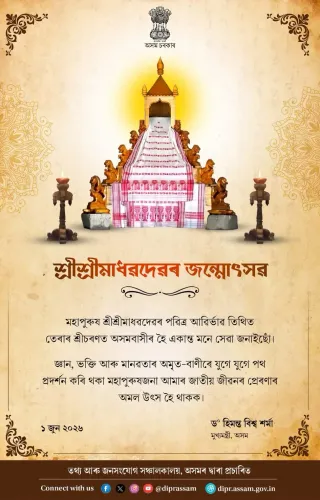
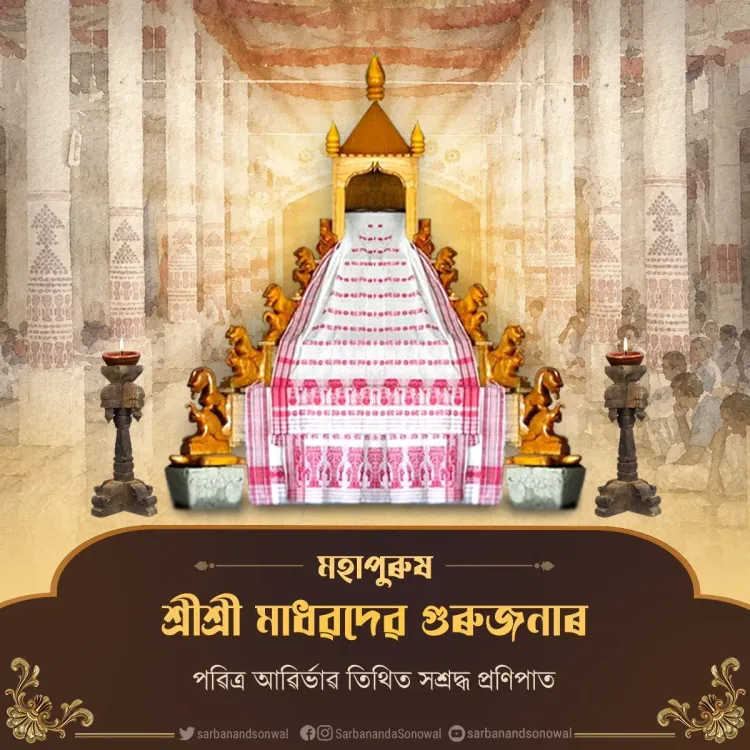
Union Minister Sarbananda Sonowal on 1 June 2026 offered devotional tribute to 16th-century Assamese saint Sri Sri Madhavdev on his birth tithi, honouring the Ekasarana Namadharma movement's legacy of equality, bhakti, and social harmony.
Key Takeaways
Union Minister Sarbananda Sonowal posted a tribute to Sri Sri Madhavdev on the saint's sacred aavir bhaav tithi on 1 June 2026 .
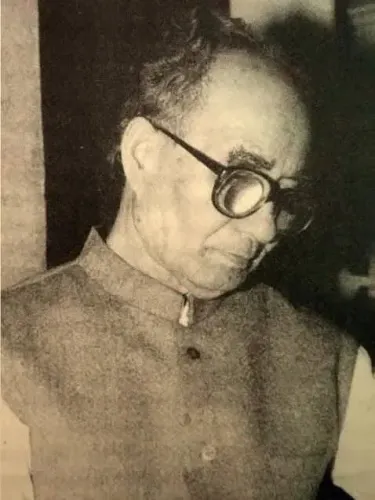
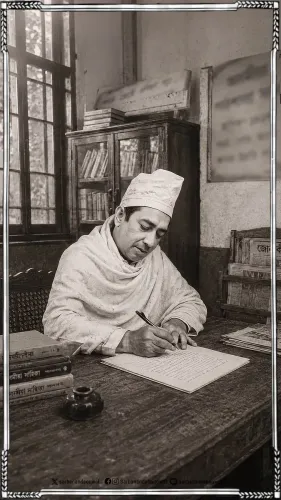
Sri Sri Madhavdev was the principal disciple of Srimanta Sankardev and a co-founder of the Ekasarana Namadharma Vaishnavite movement in 16th-century Assam.
Sonowal praised the saint's contribution to spreading Ekasarana Namadharma , strengthening Assamese spiritual consciousness, social unity, and cultural identity.
The tribute highlighted the saint's ideals of bhakti, humanity, equality, and brotherhood that transcended caste, religion, and creed.
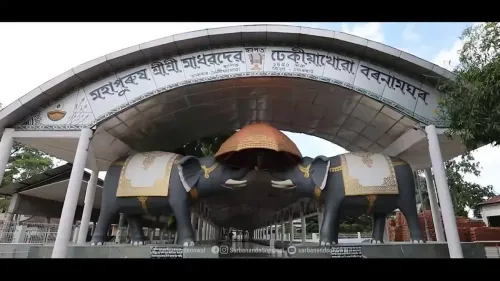
The Ekasarana tradition , expressed through Sattras and Namghars , remains central to social and cultural life across Assam .
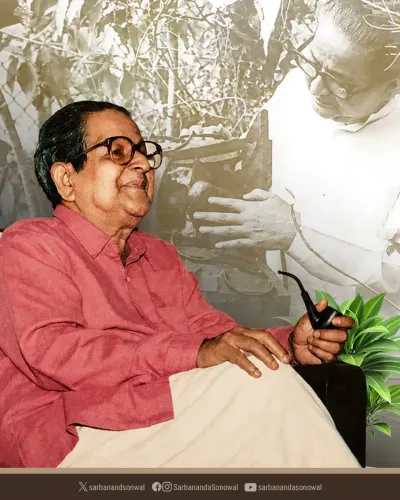
Union Minister of Ports, Shipping and Waterways Sarbananda Sonowal on Monday, 1 June 2026, paid devotional tribute to Sri Sri Madhavdev, the 16th-century Assamese saint, on the occasion of the saint's sacred aavir bhaav tithi (birth anniversary tithi).
Context
In his post, Minister Sonowal offered his devotional respects at the feet of Mahapurush Sri Sri Madhavdev Gurujan, writing in Assamese: 'Mahapurush Sri Sri Madhavdev Gurujanar pavitra aavirbhaav tithit terar sricharnot bhakatir seva yaachisun' — 'On the sacred birth tithi of Mahapurush Sri Sri Madhavdev, I offer my devotional service at his holy feet.' He praised the saint's unparalleled contribution to spreading the message of Ekasarana Namadharma among the people, enriching the spiritual consciousness of the Assamese nation, and strengthening social unity and cultural identity.
Sonowal further noted that the saint's ideals of bhakti (devotion), humanity, equality, and brotherhood transcended narrow barriers of caste, religion, and creed, charting a path toward a cohesive and harmonious society. He described Madhavdev's visionary thought and legacy as 'always relevant and inspiring for our social life.'
Policy Backdrop
Sri Sri Madhavdev was the principal disciple of Srimanta Sankardev and a co-founder of the Ekasarana Namadharma Vaishnavite movement in Assam during the 16th century. The movement, which emphasised devotion to a single God, vernacular worship, and the rejection of caste hierarchy, profoundly shaped Assamese social and cultural identity. Its institutional expressions — Sattras (monastic institutions) and Namghars (community prayer halls) — remain central to life across the state.
Political leaders from Assam have long observed the tithis of Sankardev and Madhavdev with public tributes, using these occasions to affirm regional cultural heritage and invoke the tradition's message of social harmony in contemporary governance discourse.
Stakeholders and Impact
The tribute resonates most directly with Assam's large Vaishnavite community, which observes the Madhavdev tithi through prayers and congregations at Sattras and Namghars across the state. For this community, public acknowledgement by a senior Union Minister and former Chief Minister carries both cultural and political weight.
The Ekasarana tradition's core tenets — equality and the transcendence of caste and creed — are frequently cited in Assam's public discourse to support narratives of inclusive governance. Sonowal's tribute, coming from his current national platform, reinforces the visibility of Assam's distinct spiritual heritage at the Union level.
What's Next
Annual tithi celebrations for Madhavdev are observed across Sattras and Namghars in Assam each year around May-June, drawing large congregations of devotees. Observers will watch for any state or central government announcements tied to these occasions, including initiatives for the preservation of Namghars or the development of cultural and spiritual tourism circuits in the region. Sonowal's continued public engagement with Assamese cultural milestones underscores the enduring political salience of the Ekasarana tradition in the state's public life.
Point of View
Where the Ekasarana tradition commands deep social allegiance across communities. By invoking the saint's ideals of equality and the transcendence of caste and creed, senior BJP leaders from the state align regional cultural pride with the party's broader narrative of inclusive nationalism. The post also signals Sonowal's continued engagement with his Assamese political base even from his Union ministerial platform in Delhi. As debates around Namghar preservation and cultural tourism gain momentum, such tributes set the tone for potential policy announcements tied to the Ekasarana heritage.
NationPress
15 Oct 2026
Frequently Asked Questions
Who was Sri Sri Madhavdev?
Sri Sri Madhavdev was a 16th-century Assamese saint and the principal disciple of Srimanta Sankardev . He was a co-founder of the Ekasarana Namadharma Vaishnavite movement, which emphasised devotion, equality, and the rejection of caste hierarchy, profoundly shaping Assamese cultural and spiritual identity.
What is Ekasarana Namadharma?
Ekasarana Namadharma is a Bhakti movement founded in 16th-century Assam by Srimanta Sankardev and Sri Sri Madhavdev . It emphasises singular devotion to God, vernacular worship, and the transcendence of caste, creed, and class distinctions. Its institutions — Sattras and Namghars — remain active across Assam today.
Why did Sarbananda Sonowal post about Madhavdev?
Sarbananda Sonowal posted on 1 June 2026 to mark the sacred birth tithi of Sri Sri Madhavdev , offering devotional tribute to the saint. As a senior BJP leader and former Chief Minister of Assam , Sonowal regularly observes the tithis of Assam's revered saints to honour regional cultural heritage.
What is the significance of Madhavdev's tithi in Assam?
The tithi of Sri Sri Madhavdev is observed annually across Assam with prayers and congregations at Sattras and Namghars . It is a significant occasion for the state's large Vaishnavite community to reaffirm the spiritual and cultural legacy of the Ekasarana Namadharma movement.
What are Sattras and Namghars in Assam?
Sattras are monastic institutions established by the Ekasarana Namadharma movement in Assam , while Namghars are community prayer halls used for congregational worship. Both remain central to Assamese social, cultural, and spiritual life and are closely associated with the legacy of Sankardev and Madhavdev .