CM Hemant Soren Calls for Medical Tours to Top Institutes
Synopsis
Chief Minister Hemant Soren has directed that newly appointed doctors, officers, and managers in Jharkhand be sent in groups on medical tours to premier national institutions to understand and adopt better management practices — a move aimed at raising the quality of public healthcare delivery in the state.
Key Takeaways
Chief Minister Hemant Soren on June 24, 2026 called for structured 'medical tours' to top national institutions for newly appointed health personnel in Jharkhand .
The proposal covers three distinct groups: newly appointed doctors , officers , and managers , to be sent separately.
Soren explicitly identified the management gap — not a shortage of doctors — as the core problem to be addressed.
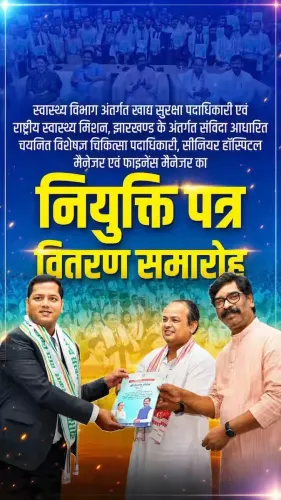
Jharkhand has conducted multiple health sector recruitment drives since 2019 , but service delivery quality has remained a challenge.
Exposure visits to apex institutions are a recognised capacity-building approach used by state governments across India.
Official orders on institution selection, batch schedules, and budget are yet to be issued.
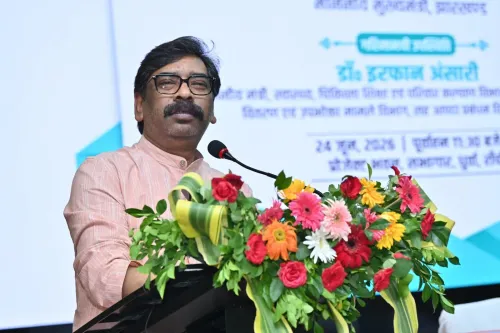
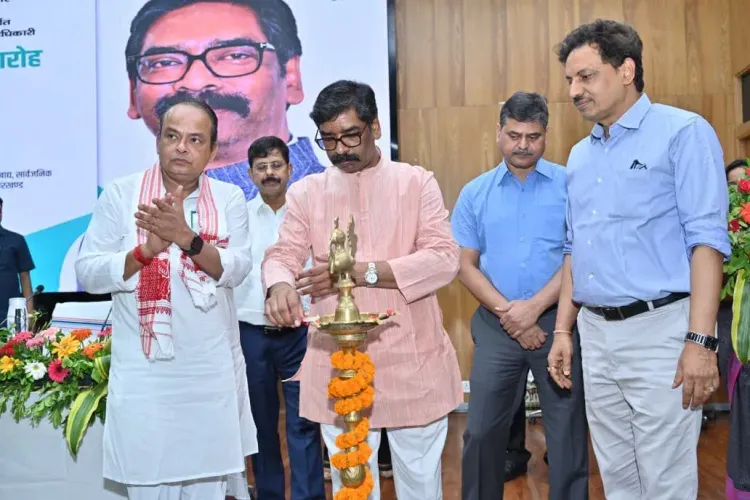
The Chief Minister's Office of Jharkhand, in a post on Wednesday, June 24, 2026, shared remarks by Chief Minister Hemant Soren calling for newly appointed doctors, officers, and managers in the state health department to be sent on structured 'medical tours' to premier national institutions — with the stated aim of bridging the management gap between Jharkhand's public health system and apex-level facilities.
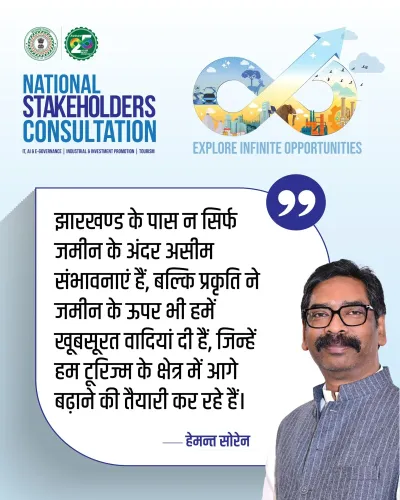
Quoting Chief Minister Soren directly, the post read: 'Navniyukt doctors, officers aur managers ko alag-alag groups mein baantkar desh ke pratishthit sansthanon ke medical tour par bheja jaye.' ('Newly appointed doctors, officers, and managers should be divided into separate groups and sent on medical tours to the country's prestigious institutions.')
Soren added: 'Doctors are present with us and there too, but the difference in management between them and us needs to be understood.' The remarks signal a deliberate policy push to move beyond recruitment and focus on operational quality.
Context
Jharkhand is an eastern Indian state with a large rural and tribal population, where public healthcare delivery has long faced challenges in both infrastructure and management capacity. The state government has conducted multiple rounds of doctor and health officer recruitment since 2019 to address persistent shortages, particularly in rural areas.
Despite these recruitment drives, a gap has remained between the volume of appointments and the quality of service delivery on the ground. Chief Minister Soren's remarks appear to directly acknowledge this gap, framing management training — not just headcount — as the missing variable.
Policy Backdrop
Exposure visits for newly recruited medical and administrative personnel to premier national institutions are a recognised capacity-building tool used by state governments across India. The objective is to allow state-level health workers to observe operational systems, patient management protocols, and administrative practices at apex facilities, and then apply those learnings back home.
Such initiatives align with broader national health frameworks that emphasise institutional capacity alongside physical infrastructure. Soren's proposal to divide participants into separate groups — doctors, officers, and managers — suggests a structured, role-specific approach rather than a generic orientation programme.
Stakeholders and Impact
The primary beneficiaries of the proposed tours would be Jharkhand's newly appointed doctors and health department officers and managers. If implemented, the initiative could influence how state-run hospitals and primary health centres are administered, potentially improving patient outcomes in underserved districts.
For rural and tribal communities in Jharkhand — who depend heavily on the public health system — improvements in management at district and block levels could translate into more reliable access to care. The initiative also carries implications for the morale and professional development of newly inducted health personnel.
What's Next
Official orders detailing the participating national institutions, batch schedules, and budgetary provisions for the proposed tours are yet to be issued. The health department will need to identify partner institutions, coordinate logistics for multiple groups, and establish a framework for applying learnings post-visit.
The proposal, if formalised, would mark a meaningful shift in Jharkhand's health sector strategy — from filling vacancies to actively investing in the management quality of its health workforce.
Point of View
He implicitly acknowledges the limits of recruitment-only approaches that have dominated state health policy for years. The proposal to send newly inducted personnel to premier national institutions echoes a broader pattern of state governments seeking to institutionalise learning from apex facilities — though execution and follow-through have historically been uneven. For a state with a large tribal and rural population dependent on public health infrastructure, the initiative's success will hinge on whether it is formalised with clear mandates and post-visit accountability mechanisms. Politically, the statement also positions the JMM-led government as focused on governance quality ahead of any near-term electoral cycle.
NationPress
22 Sept 2026
Frequently Asked Questions
What did Jharkhand CM Hemant Soren say about newly appointed doctors?
CM Hemant Soren called for newly appointed doctors, officers, and managers in Jharkhand's health department to be sent in separate groups on 'medical tours' to the country's premier national institutions to understand the management differences between those facilities and Jharkhand's own health system.
Why is Jharkhand sending doctors on medical tours to national institutions?
The tours are aimed at bridging the management gap between Jharkhand's public health system and apex-level facilities. CM Soren noted that while doctors exist on both sides, the difference lies in management — and that gap needs to be understood and addressed.
Which institutions will Jharkhand doctors visit under this proposal?
Specific institutions have not yet been named. Official orders detailing participating institutions, batch schedules, and budgetary provisions are yet to be issued by the Jharkhand government.
What is the state of public healthcare in Jharkhand?
Jharkhand, an eastern Indian state with large rural and tribal populations, has faced persistent challenges in healthcare delivery. The government has run multiple recruitment drives since 2019 to fill doctor and officer vacancies, but management quality gaps have remained.
Has any Indian state done similar medical exposure tours before?
Yes. State governments across India have periodically organised exposure visits for newly recruited medical and administrative personnel to premier national institutes to observe operational and managerial practices and reduce service delivery gaps.