CM Hemant Soren Urges New Appointees to Serve with Honesty
Synopsis
Jharkhand Chief Minister Hemant Soren on 24 June 2026 publicly reminded newly appointed state officers, doctors and managers that their salaries are funded by taxpayers and urged them to serve with honesty, sensitivity and dedication, warning that high wage bills already squeeze development spending.
Key Takeaways
Hemant Soren addressed all newly appointed government officers, doctors and managers in Jharkhand on 24 June 2026 .
He stated that government salaries come from public money and that all officials are 'indebted to the people.' Soren highlighted that a large share of the state budget goes to salaries and allowances, leaving less for development spending.
He called for service with 'complete honesty, sensitivity and dedication' as the primary duty of public servants.
The Jharkhand Mukti Morcha -led government has consistently positioned clean and responsive administration as a core governance pillar.
Jharkhand state budgets have historically seen 40–60 per cent of revenue expenditure consumed by committed salary and pension costs.
Jharkhand Chief Minister Hemant Soren on Wednesday, 24 June 2026, addressed newly appointed government officers, doctors and managers across the state, reminding them that their salaries are drawn from public money and that service to citizens must be their highest duty. Posting on X in Hindi, Soren called on all fresh recruits to discharge their responsibilities with 'complete honesty, sensitivity and dedication.'
Context
Soren's message, addressed to 'navniyukt sabhi adhikariyon, chikitsakon aur prabandhakон' (all newly appointed officers, doctors and managers), opens with a pointed reminder: 'The salary you receive comes from the money of ordinary citizens of the state and the country. We are all indebted to the public.' He signed off with 'Johar' — the traditional Jharkhand greeting — underlining a culturally rooted call to accountability.
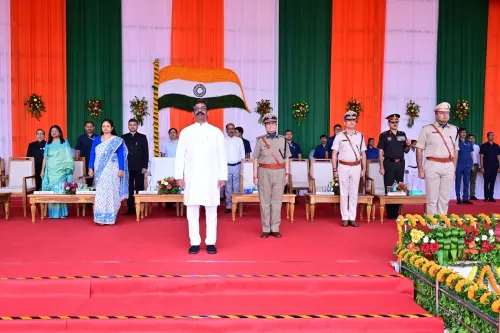
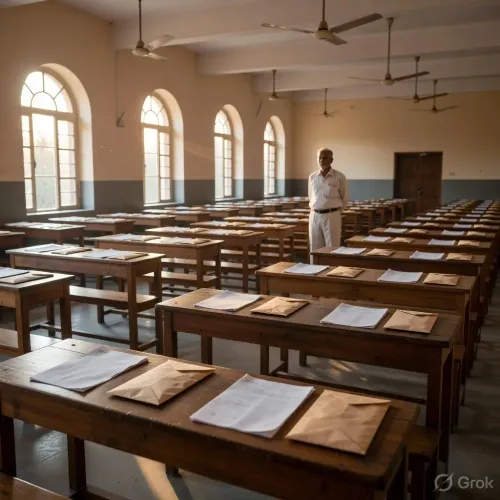
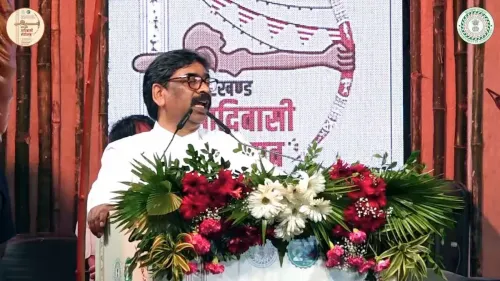
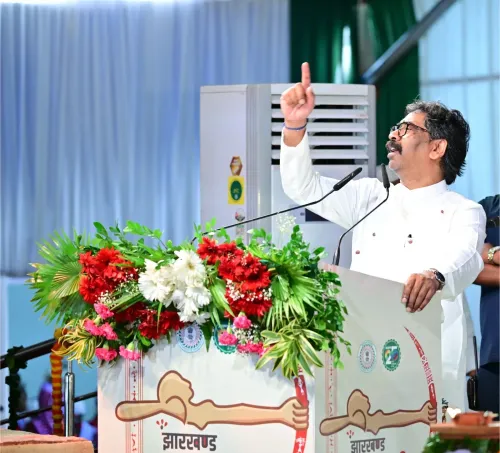
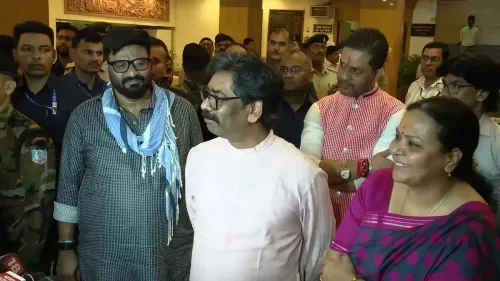
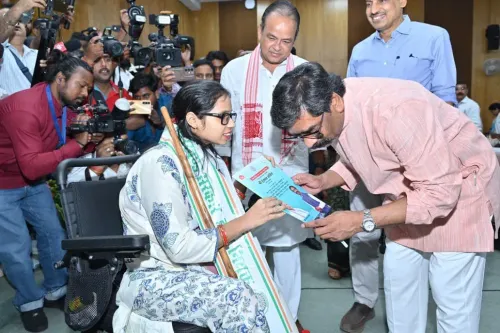
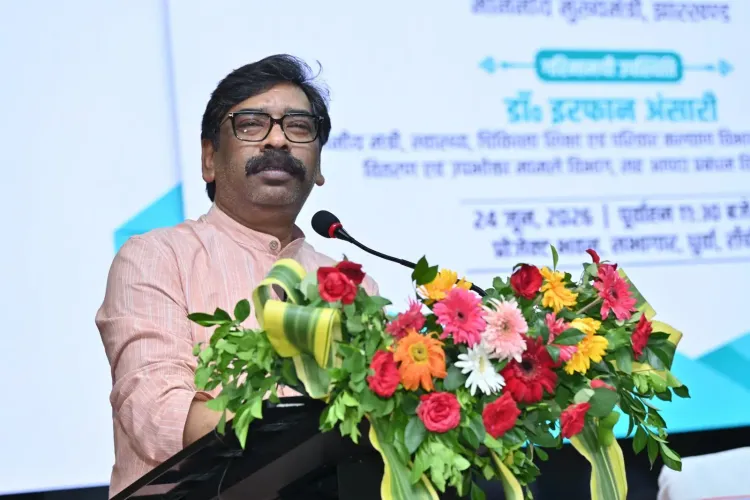
The post was accompanied by four images, indicating a formal address or induction ceremony, though specific details of the cohort could not be independently verified at the time of publication.
Policy Backdrop
Soren's message touches a structural tension that has defined Jharkhand's finances since the state was carved out of Bihar in 2000. State budgets have routinely seen salaries, pensions and allowances consume between 40 and 60 per cent of revenue expenditure, leaving relatively little for capital development. 'The government spends a large part of its budget on employees' salaries and allowances, while a smaller share goes towards development,' Soren noted, framing this imbalance as a reason why individual service delivery matters all the more.
This pattern is not unique to Jharkhand. Neighbouring states such as Bihar and Odisha face similar committed-expenditure pressures, and regional leaders across eastern India have periodically issued public calls linking salary accountability to taxpayer expectations. For Soren and the Jharkhand Mukti Morcha (JMM) — a party rooted in tribal welfare and responsive governance — such messaging also carries electoral resonance in a mineral-rich but development-lagged state.
Stakeholders and Impact
The primary audience is the new cohort of Jharkhand government employees, which includes medical officers and administrative managers whose postings directly shape healthcare access and public service delivery in a state with significant rural and tribal populations. 'The people of Jharkhand have great expectations from all of you,' Soren wrote, explicitly linking the performance of individual officials to broader societal change.
For ordinary citizens — particularly in remote districts where government presence is often the only service infrastructure — the quality and integrity of these newly placed officials will have tangible consequences for healthcare, welfare scheme implementation and day-to-day administration.
What's Next
Jharkhand's next annual budget presentation will be a key indicator of whether the state can rebalance expenditure towards development while sustaining its recruitment drive. Any announcements on performance-linked incentives or accountability frameworks for new government employees would signal whether Soren's public message is backed by institutional reform. If the administration follows through with measurable accountability mechanisms, it could set a template for other states grappling with the same committed-expenditure bind.
Point of View
He simultaneously acknowledges a structural fiscal problem and shifts responsibility for its mitigation onto individual officers. The message fits a broader JMM pattern of projecting people-first governance in a state where tribal and rural voters expect tangible service delivery over administrative process. Whether the rhetoric translates into institutional accountability measures — such as performance audits or grievance redress frameworks — will determine its lasting impact.
NationPress
22 Sept 2026
Frequently Asked Questions
What did Hemant Soren say to newly appointed government officers in Jharkhand?
Soren told them that their salaries are paid from public money, that they are indebted to ordinary citizens, and that they must serve with complete honesty, sensitivity and dedication.
Why did CM Soren say the government has less money for development?
He noted that a large portion of the state budget is spent on employee salaries and allowances, which leaves a smaller share available for development projects — a structural issue common to many Indian states.
When did Hemant Soren post this message on X?
Soren posted the message on Wednesday, 24 June 2026 , at approximately 3:11 PM IST.
What is the significance of 'Johar' at the end of Soren's post?
'Johar' is a traditional greeting used by the tribal communities of Jharkhand; Soren's use of it at the close of a governance message underscores his cultural connect with the state's indigenous population.
How much of Jharkhand's budget goes to salaries?
State budgets have historically shown salaries, pensions and allowances consuming between 40 and 60 per cent of revenue expenditure, though exact figures for the current financial year require official budget documents for verification.