UP 2027 seat-sharing: SP, Cong MPs trade sharp barbs
Synopsis
A public spat between Congress MP Imran Masood and SP MP SP Singh Patel has laid bare the unfinished 2027 Uttar Pradesh seat-sharing deal. Masood credited Rahul Gandhi for Patel's 2024 win; Patel credited Akhilesh Yadav, flagged a 26-seat offer, and told the Congress to stay patient as the SP rolled out its first list of five.
Key Takeaways
Congress MP Imran Masood and SP MP SP Singh Patel clashed in Lucknow on Wednesday over credit for the 2024 Lok Sabha result.
Masood said Patel became an MP because of Rahul Gandhi's impact after 2019 .
Patel rejected that claim and credited SP chief Akhilesh Yadav instead.
Patel said the SP has given a green signal for 26 seats to the Congress for the 2027 Uttar Pradesh Assembly polls.
Masood objected to the SP releasing a first list of five candidates while talks continue, and dismissed the idea that Congress is “asking” for 26 of 403 seats.
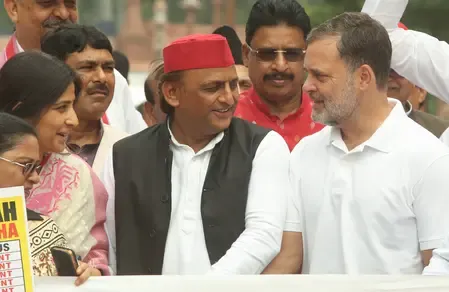
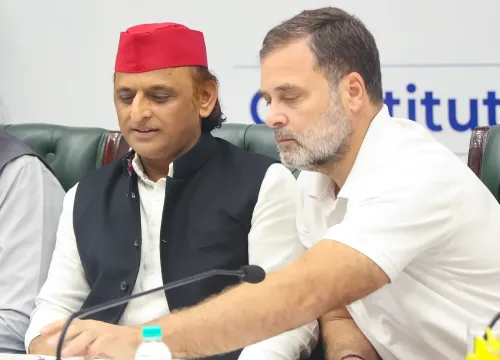
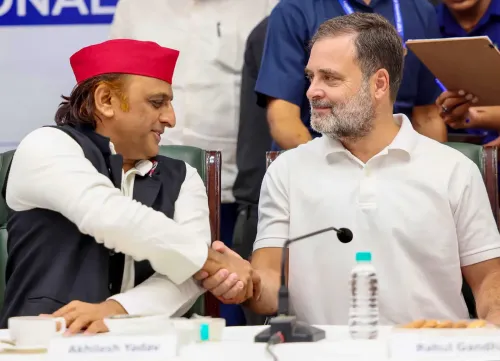
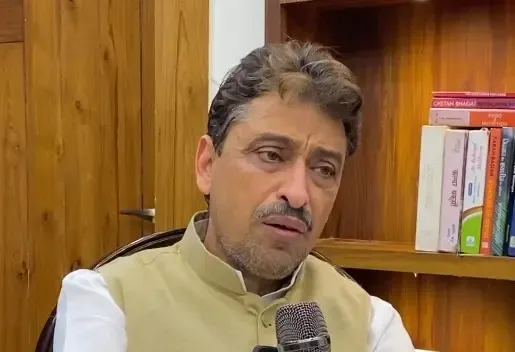
Congress MP Imran Masood and Samajwadi Party (SP) MP SP Singh Patel on Wednesday traded sharp public barbs in Lucknow, after Masood claimed Patel owed his 2024 Lok Sabha win to Leader of Opposition in the Lok Sabha Rahul Gandhi. Patel hit back by crediting SP chief Akhilesh Yadav, even as seat-sharing talks for the 2027 Uttar Pradesh Assembly elections remain unfinished.
What triggered the clash
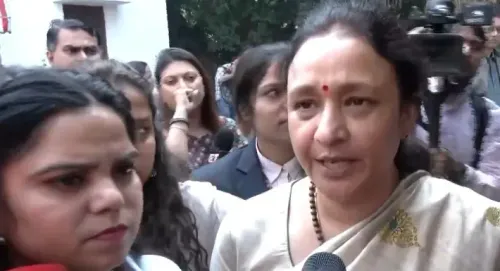
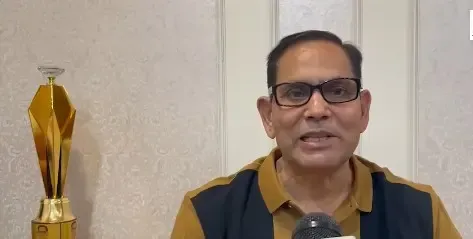
Speaking to reporters, Masood said: “Do not forget that SP Singh Patel is an MP because of Rahul Gandhi. Otherwise, many people like SP Singh Patel contested elections in 2019 as well. It is because of Rahul Gandhi's impact after 2019 that you are an MP today.”
The remark framed Patel's parliamentary status as a product of Gandhi's post-2019 political revival rather than the SP's own organisational pull in Uttar Pradesh. It landed while the two parties are still bargaining over tickets for 2027, turning a credit dispute into a live alliance problem.
Patel's rebuttal and the Akhilesh credit
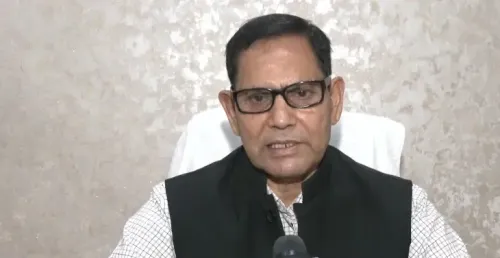
Patel questioned the Congress's own showing in the 2019 Lok Sabha elections, arguing it had not been strong either. “I was a Samajwadi Party candidate, and the party's popularity had increased. Both parties indeed benefit from an alliance. But to say that we won because of Rahul Gandhi is completely wrong. We won because of Akhilesh Yadav,” he said.
He asked Masood to remain “patient” because negotiations were still on. Notably, Patel said the SP had given a “green signal” for 26 seats to the Congress, with further rounds of talks possible and more seats potentially added. He also urged the Congress to assess its vote bank and vote share in Uttar Pradesh from the previous election before making public statements, and welcomed the SP's first list of five candidates.
Congress pushback on 26 seats and the first list
Masood expressed disappointment that the SP had released its first candidate list while seat-sharing deliberations were still underway — a step he treated as evidence of rifts in the alliance. “Let them release the entire list; what difference does it make? I am not a Samajwadi Party spokesperson to explain its position. They can announce candidates for all 403 seats,” he said.
On the 26-seat figure, Masood was blunt: “Who is asking them for 26 seats? Why are they under the misconception that we are demanding something from them? We are not asking them for anything. An alliance is about cooperation.” With 403 Assembly seats at stake, an offer frozen at 26 would leave the Congress as a clearly junior partner if talks do not move.
Why the rift matters for 2027
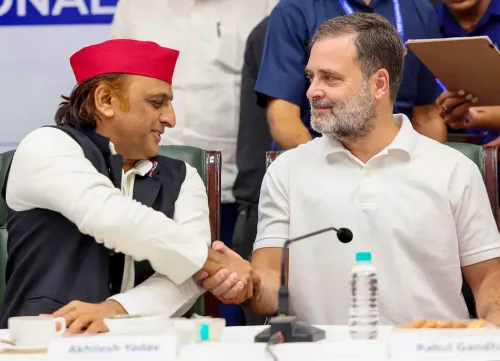
This comes amid an already public strain between the Congress and the Samajwadi Party over how to divide Uttar Pradesh. In 2024, the two contested the Lok Sabha polls as allies; Patel himself accepted that alliances help both sides, even as he refused to concede that Gandhi, not Yadav, delivered the SP's improved performance.
The argument is not merely personal. Credit for the 2024 result shapes bargaining power over tickets, caste arithmetic and campaign branding. If the Congress argues that Gandhi's post-2019 mobilisation lifted SP candidates, it can claim a larger share. If the SP argues that Yadav's popularity drove the numbers, it can keep the Congress to a limited basket of seats and still call it cooperation.
Cadres on the ground are watching who blinks. Premature candidate lists, public lectures on patience, and competing origin stories for the same victory all signal that the alliance has not settled a common narrative — a problem that typically widens as nomination season approaches.
What happens next
Further rounds of seat-sharing discussions may still take place, according to Patel, and the 26-seat figure is not necessarily final. Masood, however, has framed the Congress as an equal partner that is not “asking” for seats, which hardens the optics if the SP continues to announce names unilaterally.
How the two parties close the gap — or whether they end up overlapping in key constituencies — will decide whether Uttar Pradesh's principal opposition challenge in 2027 is a coordinated front or a fragmented one. For now, the public record is a clash of credit, a disputed 26-seat offer, and an unfinished map of 403 constituencies.
Point of View
Rolling out a first list, and telling the Congress to be patient — while Congress is refusing the junior-partner script in public. Credit for a shared victory is being weaponised as leverage, which is how alliances usually fray before they formally split. Unless Akhilesh Yadav and the Congress high command close the map quietly, overlapping candidates in 2027 will do the Bharatiya Janata Party's work for it.
NationPress
25 Nov 2026
Frequently Asked Questions
What did Congress MP Imran Masood say about SP Singh Patel?
Masood said SP Singh Patel is an MP because of Rahul Gandhi's impact after 2019, not solely because of the Samajwadi Party. He argued that many similar candidates had contested in 2019 without winning.
How did SP MP SP Singh Patel respond?
Patel said it was completely wrong to credit Rahul Gandhi for the win and attributed the result to Akhilesh Yadav and the SP's increased popularity. He also questioned the Congress's own 2019 Lok Sabha performance and asked Masood to stay patient on seat-sharing.
How many seats has the SP offered the Congress for the UP 2027 polls?
Patel said the Samajwadi Party has given a green signal for 26 seats, with further rounds of talks possible and more seats potentially added. Masood rejected the idea that the Congress is demanding 26 seats, saying an alliance is about cooperation.
Why is the SP-Congress alliance under strain in Uttar Pradesh?
Seat-sharing discussions for the 2027 Uttar Pradesh Assembly elections are still underway, and Masood has objected to the SP releasing a first list of five candidates in the middle of those talks. The public clash over who delivered the 2024 result has widened that rift.
How many seats are there in the Uttar Pradesh Assembly?
The Uttar Pradesh Assembly has 403 seats. Masood said the SP could announce candidates for all 403 if it wished, underscoring his unhappiness with a partial list while seat-sharing remains open.