Sugar export ban till September: Rajasthan traders welcome move, consumers to benefit

Synopsis
India's temporary sugar export ban, running through September, has landed as a relief measure for Rajasthan's trading community at exactly the right moment — peak summer demand, an active wedding season, and a domestic market that traders say was vulnerable to price pressure had exports continued unchecked.
Key Takeaways
The Central government has imposed a temporary ban on sugar exports until September to protect domestic supply.
Traders in Sikar , Sri Ganganagar , and Ajmer have welcomed the move as timely and consumer-friendly.
The Good Sugar Merchants Association in Sri Ganganagar — led by President Kalicharan Agrawal — called the decision essential to prevent shortages and price fluctuations.
Maharashtra , Gujarat , and Uttar Pradesh are the key producing states expected to strengthen domestic supply chains over the ban period.
Summer demand for sugar rises sharply due to increased consumption of sweets, sherbets, and food items, making the four-month window critical.
The Central government's decision to impose a temporary ban on sugar exports until September has drawn widespread support from traders across Rajasthan, who say the measure will stabilise domestic prices and ensure adequate supply during a period of seasonally elevated demand. The relief is being felt particularly in Sikar, Sri Ganganagar, and Ajmer, where wholesale and retail sugar markets are closely watched.
Why the Timing Matters
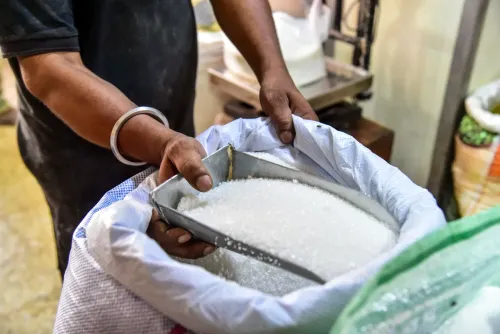
Traders across Rajasthan note that sugar consumption climbs sharply during the summer months, driven by increased use in sweets, sherbets, and other food preparations. The ongoing wedding season compounds this demand surge. According to traders, continued exports during this window could have tightened domestic supply and pushed prices higher, squeezing both retailers and end consumers.
Reactions From Key Trading Hubs
In Sikar, local wholesale and retail traders described the Centre's intervention as a commendable step in the interest of consumers and the domestic market. They said halting exports would keep prices in check and ensure sufficient availability across the country.
In Sri Ganganagar, members of the Good Sugar Merchants Association echoed this sentiment. Joint Secretary Kamal Middha termed the decision beneficial for both domestic consumers and traders. Association President Kalicharan Agrawal, Vice President Sitaram Goyal, and Secretary Suresh Garg said maintaining sufficient sugar stock within the country was essential to prevent shortages and price volatility.
Traders in Ajmer also praised the move, calling it a timely intervention that would ensure uninterrupted sugar availability in the coming months. Manmohan Singh and Harish, both sugar traders from Ajmer, said the decision reflected the Union government's commitment to protecting consumer interests and ensuring the availability of essential commodities.
Supply Chain Impact Across Major Producing States
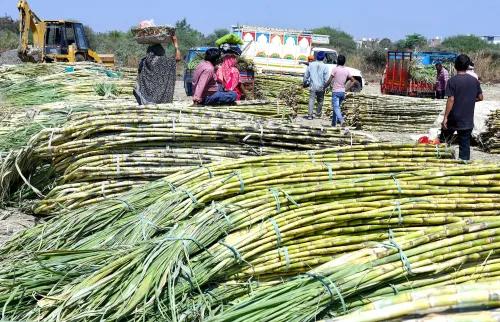
Traders pointed out that Maharashtra, Gujarat, and Uttar Pradesh — the country's three largest sugar-producing states — will play a central role in reinforcing domestic supply chains over the next four months. Restricting exports through September, they argued, would give these states the runway to channel output toward the home market rather than overseas buyers.
Notably, this export restriction comes against the backdrop of Prime Minister Narendra Modi's broader appeal to promote locally produced goods. Traders said the two policy signals together would support domestic industries and improve the economic standing of local businesses.
What This Means for Consumers
The near-term expectation among traders is that retail sugar prices will remain stable through the summer and into the early festive season. Consumers in urban and semi-urban centres — where price sensitivity is high — are expected to see the most direct benefit. Whether supply holds steady will depend largely on how producing states manage their stock releases in the weeks ahead.
Point of View
Or whether it simply defers the price pressure into October, when festive demand kicks in. Rajasthan's traders are understandably relieved today, but the real test is whether producing states use this period to build genuine buffer stocks or simply hold back supply in anticipation of a post-ban export rush. Consumer benefit is real in the short term; structural stability is a separate question.
NationPress
29 Sept 2026
Frequently Asked Questions
What is India's sugar export ban and how long will it last?
The Central government has imposed a temporary ban on sugar exports that will remain in effect until September. The move is aimed at ensuring adequate domestic supply and preventing price increases during the summer months and wedding season.
Why have Rajasthan traders welcomed the sugar export ban?
Traders in Sikar, Sri Ganganagar, and Ajmer say the ban will keep retail prices stable and prevent a supply squeeze during peak summer demand, when consumption of sweets, sherbets, and other sugar-intensive products rises sharply.
Which states are key to India's domestic sugar supply during the ban period?
Maharashtra, Gujarat, and Uttar Pradesh are India's major sugar-producing states. Traders say restricting exports through September will allow these states to channel output toward the domestic market, strengthening supply chains nationwide.
Who are the key trade voices supporting the sugar export ban in Rajasthan?
The Good Sugar Merchants Association in Sri Ganganagar — including President Kalicharan Agrawal, Vice President Sitaram Goyal, Joint Secretary Kamal Middha, and Secretary Suresh Garg — formally welcomed the decision. Traders in Sikar and Ajmer, including Manmohan Singh and Harish, also expressed support.
How will the sugar export ban affect consumers?
Consumers, particularly in urban and semi-urban areas, are expected to benefit from stable retail sugar prices through the summer and into the early festive season. Traders say the government's intervention prevents the kind of supply-driven price spike that typically accompanies peak-demand periods.