CM Sukhu releases ₹100 cr for Himcare, clears health infra push
Synopsis
CM Sukhvinder Singh Sukhu released ₹100 crore for Himcare pending dues, sanctioned ₹75 crore for automated labs at three medical colleges, and directed zero waiting time for MRI, CT scans, and major surgeries — part of a ₹3,000 crore state health infrastructure drive.
Key Takeaways
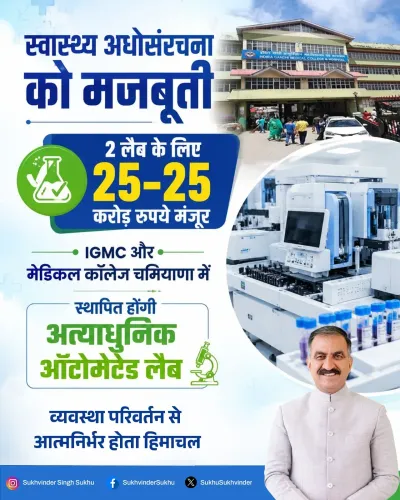
₹100 crore released to clear pending payments under the Himcare health insurance scheme. ₹75 crore sanctioned for automated laboratories at Chamiyana , IGMC Shimla , and Tanda Medical College .
CM Sukhu directed that waiting time for MRI, CT scans, and major surgeries be reduced to zero at state facilities.
Total spend on modern health infrastructure across Himachal Pradesh stands at ₹3,000 crore .
Rural Development Minister Anirudh Singh attended the review meeting alongside senior health officials.
The Himcare scheme , launched in 2019 , provides cashless health coverage to eligible state residents beyond central schemes.
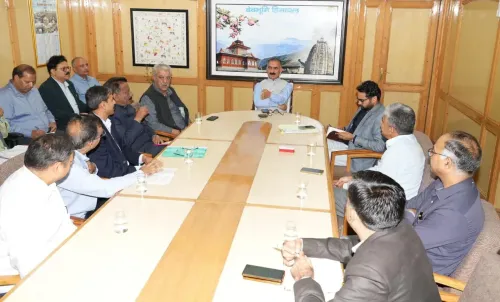
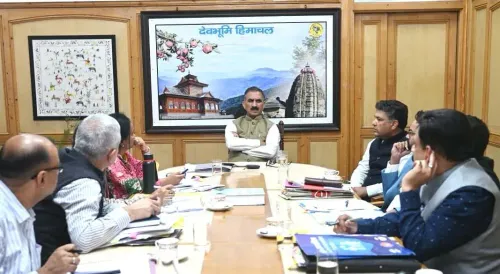
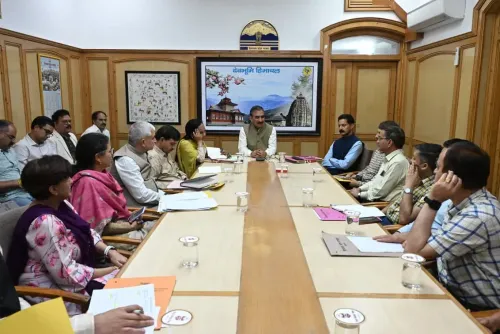
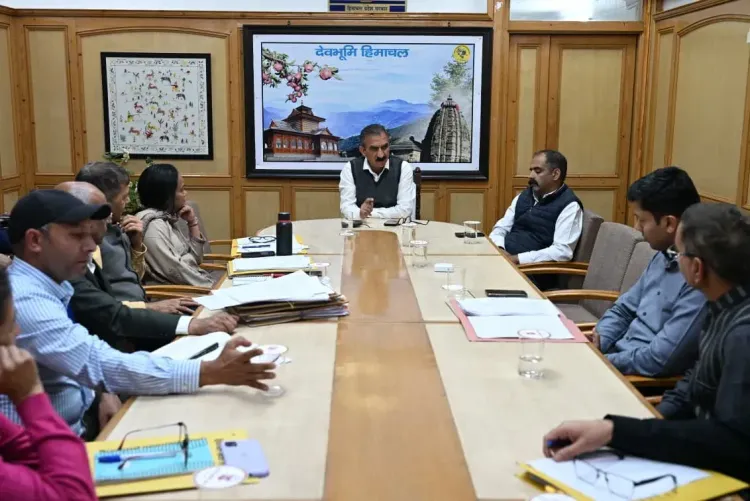
Himachal Pradesh Chief Minister Sukhvinder Singh Sukhu on Saturday, 30 May 2026, chaired a high-level review meeting with senior health department officials in Shimla, announcing a series of measures to strengthen and modernise the state's public health services.
Context
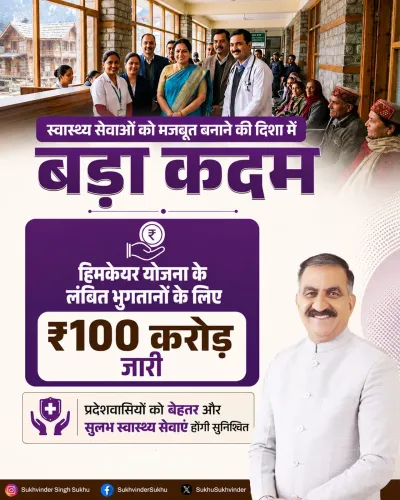
Posting on X, CM Sukhu outlined four concrete decisions from the meeting. In his words (translated from Hindi): 'Himcare yojana ke lambait bhugtaanon hetu ₹100 crore jaari kiye' — ['₹100 crore released for pending payments under the Himcare scheme']. He also directed that waiting periods for MRI, CT scans, and major surgeries be brought to zero across state facilities.
The meeting was also attended by Rural Development and Panchayati Raj Minister Anirudh Singh, along with other senior officials, signalling a cross-departmental focus on health delivery at the grassroots level.
Policy Backdrop
The Himcare scheme, launched in 2019, was designed to extend cashless health coverage to Himachal Pradesh residents beyond what central insurance programmes provide. Pending reimbursements to empanelled hospitals have been a recurring concern for beneficiaries and healthcare providers alike, making the ₹100 crore release a significant liquidity injection into the scheme's ecosystem.
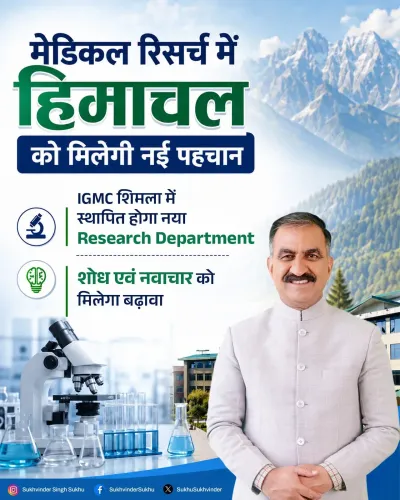
Separately, ₹75 crore has been sanctioned for setting up state-of-the-art automated laboratories at three institutions: Chamiyana, Indira Gandhi Medical College (IGMC) Shimla, and Dr. Rajendra Prasad Government Medical College, Tanda. IGMC Shimla serves as the premier tertiary referral centre for the state, while Tanda Medical College anchors healthcare delivery in the Kangra region.
The Chief Minister also stated that a cumulative ₹3,000 crore is being spent on modern health infrastructure and equipment across the state — a figure that reflects the government's broader capital push in public health since taking office in December 2022.
Stakeholders and Impact
For patients, the zero-wait directive on MRI, CT scans, and major surgeries addresses one of the most common complaints at government hospitals — long queues for diagnostic and surgical slots that often force families toward costlier private facilities. If implemented effectively, this could meaningfully reduce out-of-pocket expenditure for residents in hilly, remote districts who rely entirely on government tertiary care.
Empanelled hospitals and diagnostic centres under Himcare stand to benefit directly from the ₹100 crore clearance of pending dues, easing cash-flow constraints that had reportedly discouraged some providers from continuing under the scheme. Medical staff and students at IGMC Shimla, Chamiyana, and Tanda will gain access to upgraded automated lab infrastructure, improving both diagnostic accuracy and teaching quality.
What's Next
The key milestones to watch are the timeline for installation and commissioning of the automated labs at the three medical college sites, and whether the health department can demonstrate measurable reductions in waiting times for scans and elective surgeries in its next quarterly review. The government's stated target of zero waiting time for critical diagnostics is ambitious and will require sustained administrative follow-through beyond the announcement stage.
With successive budgets earmarking funds for diagnostic equipment and tertiary care, Himachal Pradesh is positioning its public health system for a structural upgrade — the pace of on-ground delivery will determine whether the investment translates into tangible outcomes for patients across the state.
Point of View
000 crore cumulative spend figure, if substantiated, would represent one of the larger per-capita public health outlays among hill states. This pattern of pairing scheme clearances with infrastructure announcements has become a signature of the Sukhu administration's effort to differentiate its health governance record ahead of future electoral cycles.
NationPress
14 Oct 2026
Frequently Asked Questions
What is the Himcare scheme in Himachal Pradesh?
Himcare is a state government health insurance scheme launched in 2019 that provides cashless treatment coverage to eligible Himachal Pradesh residents, supplementing central health insurance programmes.
Why did CM Sukhu release ₹100 crore for Himcare?
The ₹100 crore was released to clear pending reimbursement payments owed to hospitals and diagnostic centres empanelled under the Himcare scheme, addressing cash-flow issues that had built up over time.
Which hospitals will get new automated labs in Himachal Pradesh?
Automated laboratories will be set up at Chamiyana, Indira Gandhi Medical College (IGMC) in Shimla, and Dr. Rajendra Prasad Government Medical College in Tanda, with ₹75 crore sanctioned for the purpose.
What is the zero waiting time directive for MRI and CT scans in Himachal Pradesh?
CM Sukhu instructed health department officials to eliminate waiting periods for MRI, CT scans, and major surgeries at government hospitals in Himachal Pradesh, aiming to reduce patient delays and out-of-pocket costs.
How much is Himachal Pradesh spending on health infrastructure?
According to CM Sukhu, the state is spending ₹3,000 crore on modern health infrastructure and medical equipment across Himachal Pradesh as part of its ongoing public health modernisation drive.