CM Sukhu Orders Zero Wait for Scans at IGMC Shimla
Synopsis
Chief Minister Sukhvinder Singh Sukhu chaired a diagnostic review at IGMC Shimla and Chamiana Super Specialty Hospital on 3 July 2026, ordering zero patient wait times for CT scans, X-rays and ultrasounds, and promising a 256-slice CT scanner for IGMC.
Key Takeaways
CM Sukhvinder Singh Sukhu chaired a diagnostic review meeting at IGMC, Shimla and Chamiana Super Specialty Hospital on 3 July 2026 .
The Health Department has been directed to ensure zero waiting periods for CT scans, X-rays and ultrasound services through a concrete, time-bound plan.
Sukhu assured IGMC doctors that a 256-slice CT scan machine will be provided to the institution at the earliest.
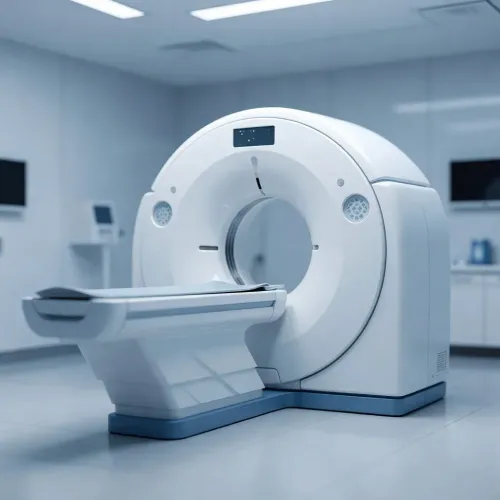
A 256-slice CT scanner enables faster, higher-resolution imaging and can handle significantly higher daily patient volumes than older models.
IGMC, Shimla , established in 1966 , is the state's premier tertiary referral hospital serving patients across Himachal Pradesh.
The initiative aligns with the National Health Mission and Ayushman Bharat goals of improving diagnostic access in hill states.
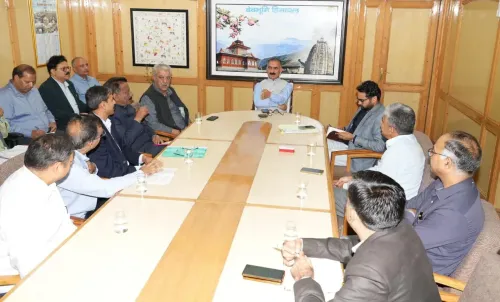
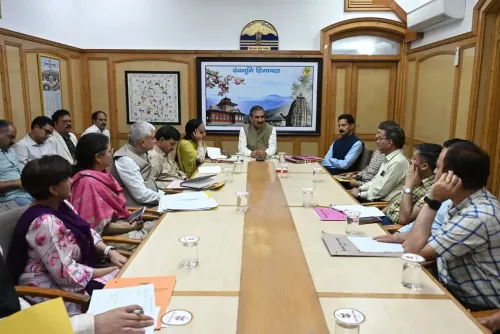
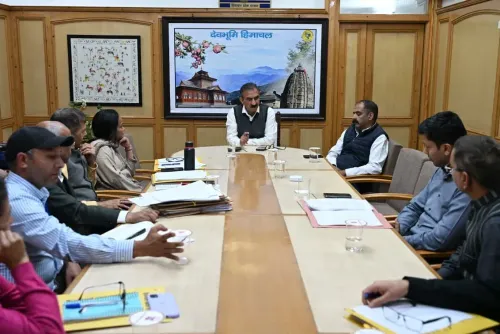
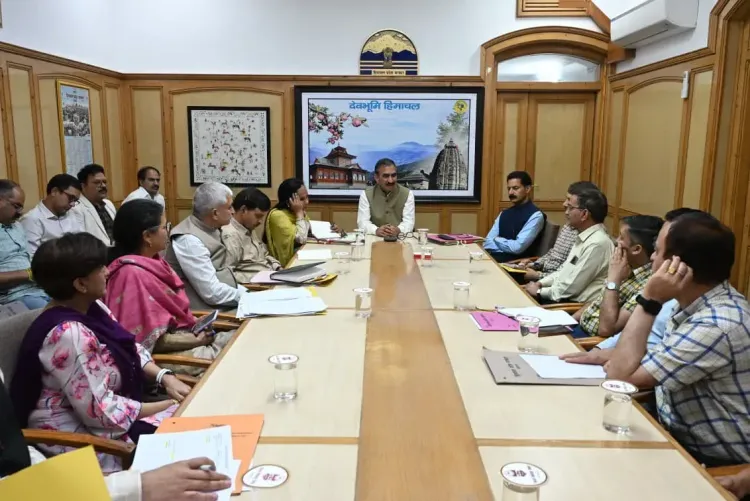
Himachal Pradesh Chief Minister Sukhvinder Singh Sukhu on Friday, 3 July 2026, chaired a review meeting of the diagnostic departments at Indira Gandhi Medical College (IGMC), Shimla and Chamiana Super Specialty Hospital, directing the state Health Department to eliminate patient waiting times for essential imaging services including CT scans, X-rays and ultrasounds.
Context
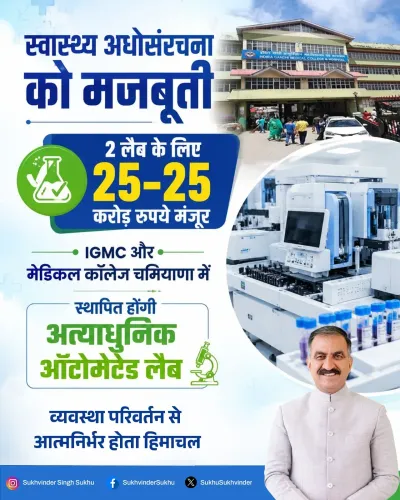
Posting on X, CM Sukhu stated that he had presided over the review meeting and issued instructions for a 'concrete and time-bound arrangement' (ठोस एवं समयबद्ध व्यवस्था) to ensure zero waiting periods for diagnostic services such as CT scans, X-rays and ultrasounds at both institutions. He also assured doctors at IGMC that a 256-slice CT scan machine would be made available to the institution 'at the earliest' in response to a demand raised by its medical staff.
In his post, the Chief Minister underlined that 'expanding modern health facilities and providing timely, better treatment to patients is our highest priority.' The meeting signals a renewed push to address chronic bottlenecks in public-sector diagnostic infrastructure in the state capital.
Policy Backdrop
IGMC, Shimla, established in 1966, is Himachal Pradesh's premier state-run medical college and tertiary referral hospital, drawing patients from across the hill state and neighbouring regions. Chamiana Super Specialty Hospital, linked to IGMC, provides advanced multi-disciplinary care and has seen rising patient footfall in recent years.
The Himachal Pradesh Health Department has periodically upgraded diagnostic infrastructure at IGMC under successive state health plans since the mid-2010s. The Congress government that came to power in December 2022 announced measures to reduce waiting times and expand imaging services at major government hospitals. Such efforts align with the broader national framework of the National Health Mission and Ayushman Bharat, which seek to improve access to advanced imaging in hill and remote states where private diagnostic options remain limited.
Stakeholders and Impact
The most immediate beneficiaries of the directive are patients — many from rural and semi-urban Himachal Pradesh — who currently face delays in accessing CT scans, X-rays and ultrasound services at government facilities. Long wait times for diagnostic imaging can delay clinical decisions and worsen patient outcomes, particularly in a tertiary referral setting like IGMC.
IGMC doctors had formally raised the demand for a higher-capacity scanner, and the Chief Minister's assurance of a 256-slice CT scan machine — a significant upgrade over older lower-slice models — addresses a long-standing clinical need. A 256-slice machine enables faster, higher-resolution imaging and can handle a larger volume of patients per day, directly cutting queue lengths. State health officials will now be expected to develop a procurement and installation timeline.
What's Next
The key deliverable to watch is the procurement and commissioning timeline for the promised 256-slice CT scanner at IGMC. The Health Department has been asked to produce a concrete, time-bound plan for zero-wait diagnostics — a mandate that will likely surface in assembly questions and budget discussions in the coming months.
If implemented effectively, the initiative could serve as a model for other district hospitals in Himachal Pradesh seeking to reduce diagnostic backlogs. Progress — or the lack of it — on equipment installation and wait-time reduction is expected to be closely tracked by patient groups and medical associations in the state.
Point of View
Service-delivery ground ahead of any electoral cycle. The promise of a 256-slice CT scanner is a clinically meaningful commitment — not a routine announcement — given that higher-slice machines can process significantly more patients daily, directly addressing a bottleneck at the state's busiest referral hospital. The move fits a broader pattern of hill-state governments using public hospital upgrades to signal governance credibility, where private healthcare alternatives are thin and voter sensitivity to health access is high. The real test will be whether the Health Department produces and adheres to a verifiable procurement timeline, or whether the announcement remains aspirational.
NationPress
2 Oct 2026
Frequently Asked Questions
What did CM Sukhu announce for IGMC Shimla?
CM Sukhu directed the Himachal Pradesh Health Department to ensure zero waiting periods for CT scans, X-rays and ultrasounds at IGMC Shimla and Chamiana Super Specialty Hospital, and promised to provide IGMC with a 256-slice CT scan machine at the earliest.
What is a 256-slice CT scanner and why does it matter?
A 256-slice CT scanner is a high-capacity imaging machine that produces faster, higher-resolution scans and can handle a greater number of patients per day compared to older, lower-slice models, making it critical for reducing diagnostic backlogs at busy government hospitals like IGMC Shimla.
What is IGMC Shimla?
Indira Gandhi Medical College (IGMC), Shimla, established in 1966, is Himachal Pradesh's premier state-run medical college and tertiary referral hospital, serving patients from across the hill state and neighbouring regions.
What is Chamiana Super Specialty Hospital?
Chamiana Super Specialty Hospital is a multi-disciplinary advanced care facility linked to IGMC in Shimla, providing specialised treatment across several medical disciplines.
How does this initiative relate to national health schemes?
The push to reduce diagnostic wait times and upgrade imaging equipment at government hospitals aligns with the goals of the National Health Mission and Ayushman Bharat, both of which aim to improve access to advanced diagnostics in hill and remote states where private options are limited.