CM Sukhu Congratulates Six Congress Leaders on Rajya Sabha Election
Synopsis
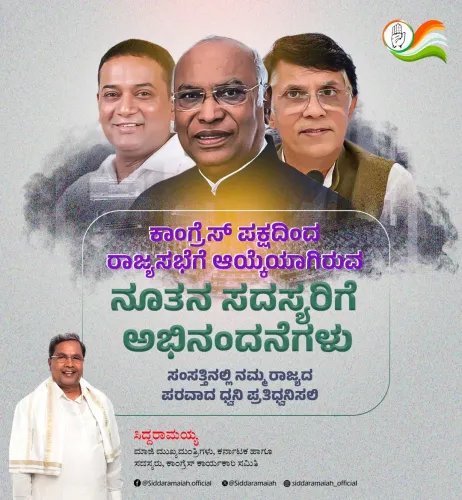
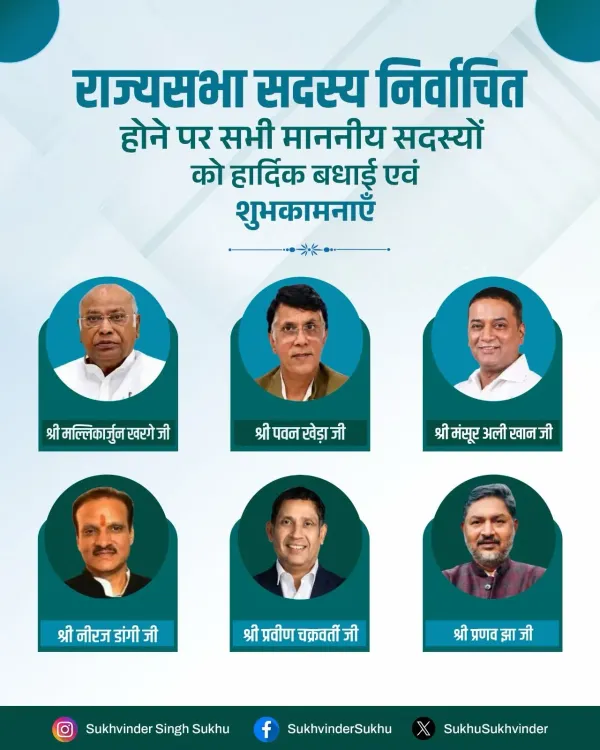
Himachal Pradesh CM Sukhvinder Singh Sukhu on June 12, 2026, congratulated six Congress leaders — including AICC chief Mallikarjun Kharge and media head Pawan Khera — on their Rajya Sabha election, saying their presence will strengthen the voice of the marginalised in Parliament.
Key Takeaways
CM Sukhvinder Singh Sukhu posted congratulations on June 12, 2026 for six Congress leaders elected to the Rajya Sabha.
The six leaders are Mallikarjun Kharge , Pawan Khera , Mansoor Ali Khan , Neeraj Dangi , Praveen Chakravarty , and Pranav Jha .
Sukhu said their presence in the upper house will give 'new strength and new faith' to the voices of the deprived and common citizens.
The elections reflect Congress's strategy of fielding key organisational figures — including its media and data wings heads — in the Rajya Sabha.
The development is expected to bolster Congress's legislative opposition capacity ahead of the 2026 monsoon session of Parliament.
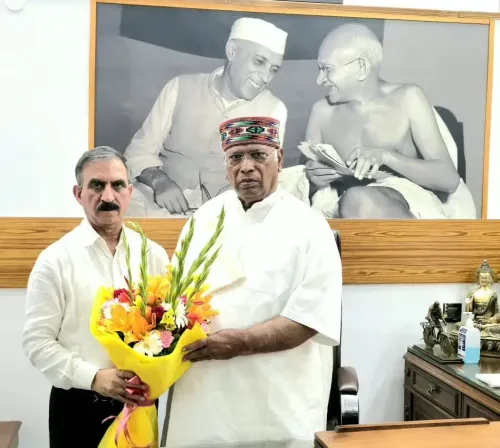
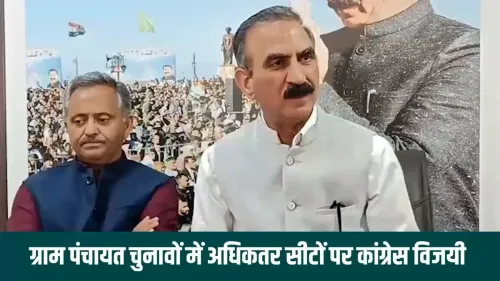
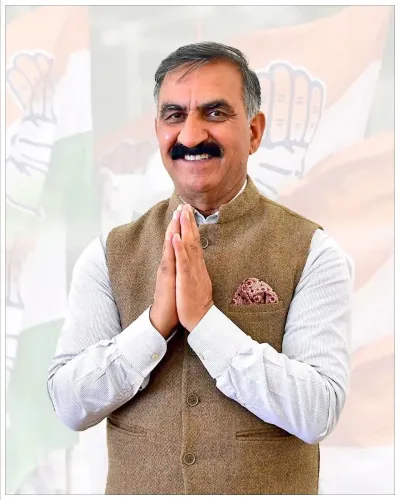
Himachal Pradesh Chief Minister Sukhvinder Singh Sukhu on Friday, June 12, 2026, extended warm congratulations to six senior Indian National Congress leaders elected to the Rajya Sabha, expressing confidence that their presence in the upper house would amplify the voices of the marginalised and the common citizen.
Context
In his post, CM Sukhu congratulated Mallikarjun Kharge, National President of the All India Congress Committee (AICC); Pawan Khera, Chairman of AICC's Media and Publicity Department; Mansoor Ali Khan, AICC National Secretary and senior Karnataka leader; Neeraj Dangi, senior Rajasthan leader and Rajya Sabha member; Praveen Chakravarty, Chairman of the All India Professionals Congress and Data Analytics Department; and Pranav Jha, AICC National Secretary.
Writing in Hindi, Sukhu said their 'dignified presence in the upper house will provide new strength, new faith, and powerful expression to the voices of the deprived, the exploited, and the common citizen' — ('उच्च सदन में आप सभी की गरिमामयी उपस्थिति वंचित, शोषित और आम नागरिकों की आवाज़ को नई शक्ति, नया विश्वास एवं सशक्त अभिव्यक्ति प्रदान करेगी'). He closed with wishes for a successful, people-oriented, and inspirational parliamentary tenure for all six.
Policy Backdrop
The Congress party has consistently fielded senior organisational figures in Rajya Sabha biennial elections since 2019, a strategy designed to ensure that key party functionaries — particularly those heading media, data analytics, and professional outreach wings — also hold parliamentary standing. This dual role allows them to combine party-building work with direct legislative participation.
The election of leaders such as Praveen Chakravarty, who heads the party's data and professionals' wings, reflects the Congress's ongoing effort to modernise its parliamentary presence. Similarly, the inclusion of Pawan Khera, the party's principal media voice, signals an intent to carry the party's communication strategy into the upper house itself.
Stakeholders and Impact
For the Congress, which remains in opposition at the national level, a strengthened Rajya Sabha bench is a critical instrument for legislative scrutiny. The upper house has historically been the arena where the party has been able to stall or amend legislation it opposes.
The newly elected members represent a cross-section of the party's organisational hierarchy — from Karnataka and Rajasthan, two states with significant Congress footprints, to national-level functionaries. Mallikarjun Kharge, already serving as party president, brings added institutional weight to the bench as a Rajya Sabha member from Karnataka.
For ordinary citizens and opposition supporters, the development is seen as a signal that the Congress intends to mount a more organised challenge to government legislation during the upcoming parliamentary sessions, particularly on issues concerning welfare, civil liberties, and economic policy.
What's Next
Attention will now turn to how these six members engage during the 2026 monsoon session of Parliament, which is expected to take up several contentious legislative items. The Congress's ability to coordinate among its newly elected Rajya Sabha members and the broader opposition bloc will be closely watched.
Whether the party fields additional candidates in Rajya Sabha elections from other states later in 2026 will also indicate the scale of its upper-house consolidation strategy heading into the next general election cycle.
Point of View
Data analytics, and professional outreach — signals that Congress is not merely filling upper-house seats but equipping its parliamentary wing with functionaries who can wage battles on both the legislative floor and in public communication. For a party in national opposition, this kind of dual-role deployment is a calibrated move to maximise institutional leverage. The post also reinforces Sukhu's visible loyalty to the AICC high command, a politically useful signal given the dynamics of Congress's internal hierarchy.
NationPress
26 Oct 2026
Frequently Asked Questions
Who are the six Congress leaders elected to the Rajya Sabha in 2026?
The six are Mallikarjun Kharge (AICC National President), Pawan Khera (AICC Media and Publicity Chairman), Mansoor Ali Khan (AICC National Secretary), Neeraj Dangi (senior Rajasthan leader), Praveen Chakravarty (All India Professionals Congress Chairman), and Pranav Jha (AICC National Secretary).
Why did CM Sukhu post congratulations for the Rajya Sabha elections?
As a senior Congress leader and Chief Minister, Sukhvinder Singh Sukhu routinely acknowledges major party milestones; the post reflects both personal goodwill and public alignment with the AICC leadership.
What did CM Sukhu say about the newly elected Rajya Sabha members?
Sukhu said their dignified presence in the upper house would provide new strength, new faith, and powerful expression to the voices of the deprived, exploited, and common citizens of India.
What is Praveen Chakravarty's role in Congress?
Praveen Chakravarty chairs both the All India Professionals Congress and the party's Data Analytics Department, making him a key figure in the Congress's outreach and electoral strategy operations.
How does Congress use the Rajya Sabha in its opposition strategy?
Congress fields senior organisational figures in the Rajya Sabha to combine party-building roles with legislative participation, enabling the party to mount coordinated scrutiny of government legislation in the upper house.