What Are the Political Reactions to the SC's Bail Denial for Sharjeel Imam and Umar Khalid?
Synopsis
The Supreme Court's refusal to grant bail to Sharjeel Imam and Umar Khalid has ignited a fierce political debate. The BJP supports the verdict while the Congress argues for the accused's rights, highlighting a critical divide in perspectives on justice and governance in India.
Key Takeaways
Supreme Court denied bail to Sharjeel Imam and Umar Khalid.
Political reactions reveal deep divides between BJP and Congress.
The ruling underscores the complexities of justice in politically charged cases.
Five other accused were granted bail, highlighting disparities in judicial outcomes .
Ongoing debates about civil rights and governance in India continue.
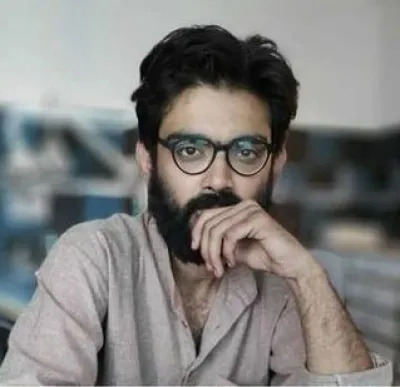
New Delhi, Jan 5 (NationPress) The Supreme Court's ruling on Monday to reject bail for student activists Sharjeel Imam and Umar Khalid in connection with the 2020 Delhi riots sparked intense political discourse. The BJP lauded the decision, whereas the Congress expressed dismay, contending that the accused should have been granted bail after spending almost five years in detention.
In response to the ruling, BJP MP Ravi Shankar Prasad remarked that the apex court meticulously reviewed the evidence before reaching its decision.
“From what I have observed, the Supreme Court thoroughly assessed all the evidence related to the conspiracy and determined that their case was unsuitable for bail, as they were identified as principal instigators,” he stated.
Delhi Minister Kapil Mishra characterized the ruling as confirmation of longstanding assertions that the 2020 Delhi riots were premeditated.
“This decision reinforces what many have claimed—that the Delhi riots were part of a calculated conspiracy. The violence was executed with specific planning and intent. The Supreme Court's ruling regarding Umar Khalid and Sharjeel Imam backs the assertion that these riots were orchestrated as a broader conspiracy,” he commented.
Another Delhi Minister, Ashish Sood, condemned Sharjeel Imam and called for accountability from political entities that had previously allied with him.
“Sharjeel Imam aimed to conspire against and fracture this nation, and I denounce him unequivocally. There are members in the Assembly who have shared platforms with him. Their party should apologize to the nation. Aam Aadmi Party MLA Amanatullah Khan has been seen with Sharjeel Imam in the past and should issue an apology today,” Sood insisted.
Delhi Minister Manjinder Singh Sirsa also embraced the ruling, asserting that stringent actions against those involved in riots are essential.
“This is a significant development. Rioters should not have been released from Delhi’s jails under any circumstances. This exemplifies the contrast in governance under the BJP. Here, strict actions are enforced, while during Congress's rule, such individuals often roamed free and were even rewarded with positions of security or political office,” he remarked.
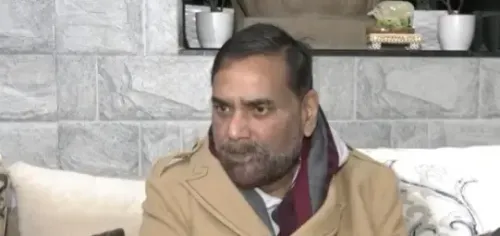
Conversely, Congress leaders voiced concerns regarding the Supreme Court's decision. Congress leader Udit Raj stated that bail should have been granted, considering the duration of incarceration.
“They ought to have received bail, as five years have already elapsed. It is regrettable that even after five years, the police investigation remains incomplete. I believe they should have been granted bail. Moreover, the actual conspirators behind the Delhi riots have yet to be apprehended. Although outside elements contributed to the riots, the police and the government failed to investigate that angle,” he told IANS, arguing that Umar Khalid and Sharjeel Imam have been unjustly targeted and alleging that the government acted with communal bias.
Congress leader Naseemuddin Siddiqui took a more measured approach, stating he lacked comprehensive knowledge of the case. “The Supreme Court is the highest judicial authority. I am unaware of the evidence presented or the grounds on which the bail petitions were argued. The court's decision must be based on the merits of the case, or perhaps the defense failed to present adequate grounds,” he said.
Congress Uttar Pradesh president Ajay Rai also refrained from directly commenting on the ruling. “Courts render judgments based on evidence. I cannot comment on a judicial decision,” he said.
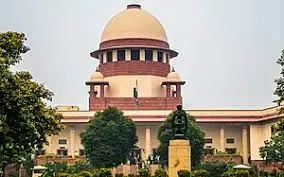
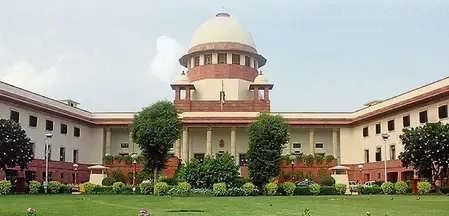
Earlier that day, the Supreme Court denied bail to Sharjeel Imam and Umar Khalid, citing substantial evidence provided by the prosecution indicating their involvement in an alleged criminal conspiracy related to the 2020 north-east Delhi riots. Simultaneously, the apex court granted bail to five other defendants in the case—Gulfisha Fatima, Meeran Haider, Shifa Ur Rehman, Mohd Saleem Khan, and Shadab Ahmed.
All seven had contested the Delhi High Court’s previous order denying them bail under the stringent provisions of the Unlawful Activities (Prevention) Act (UAPA).
A bench led by Justice Aravind Kumar articulated a detailed judgment prior to announcing the verdict. The court noted that bail decisions must be grounded in the specific role attributed to each accused and clarified that it cannot treat all individuals uniformly for the purpose of granting bail.
Point of View
It is crucial to present a balanced view of the political ramifications following the Supreme Court's decision. The reactions from both the BJP and Congress underscore the ongoing tensions in India's political landscape, particularly regarding issues of justice and civil rights. It is essential to recognize the complexities surrounding the case and the varied perspectives that shape public discourse.
NationPress
20 Sept 2026
Frequently Asked Questions
Why was bail denied to Sharjeel Imam and Umar Khalid?
The Supreme Court denied bail to Sharjeel Imam and Umar Khalid based on sufficient evidence suggesting their involvement in a criminal conspiracy related to the 2020 Delhi riots.
What was the political reaction to the Supreme Court's decision?
The BJP welcomed the verdict, viewing it as a validation of their stance on the riots, while the Congress expressed disappointment, arguing that the accused should have been granted bail after lengthy incarceration.
What legal provisions are involved in this case?
The case involves the stringent provisions of the Unlawful Activities (Prevention) Act (UAPA), under which the accused were denied bail.
How long have Sharjeel Imam and Umar Khalid been in custody?
Sharjeel Imam and Umar Khalid have been in custody for nearly five years.
What implications does this ruling have for future cases?
This ruling may set a precedent for how courts handle cases related to political dissent and alleged conspiracies, impacting the balance between national security and civil liberties.