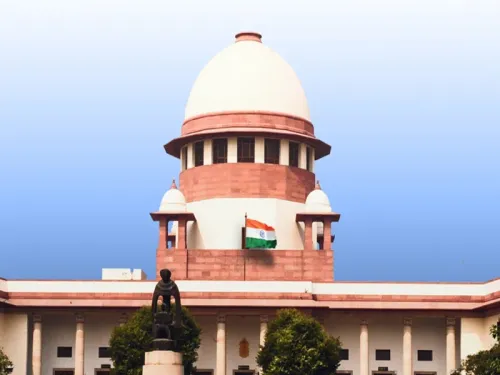
Supreme Court flags Patna High Court ruling on attempt to rape
Synopsis
The Supreme Court has flagged yet another High Court ruling that downplayed the gravity of a sexual offence — this time from Patna, where a bench held that attempting to remove a woman's salwar and molesting her did not amount to attempt to rape. With the apex court already having set aside a similar Allahabad High Court order, this pattern points to a deeper, systemic failure in judicial sensitivity that the Supreme Court is now moving to address head-on.
Key Takeaways
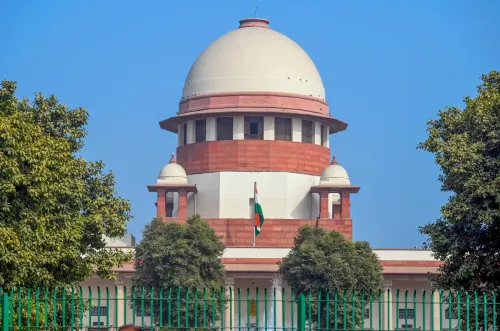
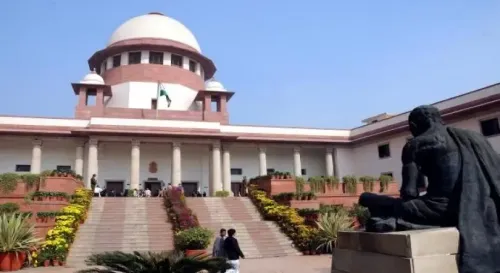
The Supreme Court on 15 July expressed serious concern over a Patna High Court ruling that held attempted removal of a woman's salwar and molestation did not constitute attempt to rape.
The bench of Justice Surya Kant , Justice Joymalya Bagchi , and Justice V.
Mohan said it would issue a detailed order on the Patna High Court's observations.
The case arose from Banka district , Bihar, involving accused Himanshu , who allegedly locked the victim in a room at his photography studio.
The Supreme Court is already hearing a suo motu case following a similar controversial ruling by the Allahabad High Court .
The National Judicial Academy has been directed to frame guidelines on judicial sensitivity in sexual offence cases.
The apex court's forthcoming order is expected to clarify the legal definition of 'attempt to rape' for courts nationwide.
The Supreme Court of India on Wednesday, 15 July expressed serious concern over a Patna High Court ruling that held that attempting to remove a woman's salwar and allegedly molesting her by touching her inappropriately did not constitute an attempt to rape. A three-judge bench indicated it would issue a detailed order addressing the High Court's observations.
The Bench and Its Concerns
The bench, comprising Justice Surya Kant, Justice Joymalya Bagchi, and Justice V. Mohan, heard the matter as part of a suo motu case the apex court had initiated following a separate controversial judgment by the Allahabad High Court. In that earlier case, the Supreme Court had already set aside the ruling and directed the National Judicial Academy to frame guidelines aimed at improving judicial sensitivity in cases involving sexual offences.
Senior Advocate Shobha Gupta brought the Patna High Court's order to the bench's attention, arguing that despite the Supreme Court's clear position, a similar ruling had emerged in a case with comparable facts. She described the development as 'unfortunate.' Senior Advocate H.S. Phoolka also supported the submission.
What the Supreme Court Said
Justice Surya Kant observed that such rulings often stem from inadequate legal research and insufficient study of the law. The bench stated that it would make detailed observations on the Patna High Court's decision in its forthcoming order — a signal that the apex court intends to lay down clearer guidance on what legally constitutes an attempt to rape.
The Patna High Court Case: What Happened
The case originated from Amarpur police station area in Banka district, Bihar. According to the prosecution, the victim had accompanied her father to a photography studio owned by a man identified as Himanshu. The accused allegedly asked the victim's father to wait outside, took the young woman into a room, and locked the door.
Inside, he allegedly attempted to remove her salwar with the intention of raping her and grabbed her breasts. When the victim raised an alarm, her father forced open the door, prompting the accused to flee. The Patna High Court's ruling held that these acts did not amount to an attempt to rape — a conclusion the Supreme Court has now called into question.
Pattern of Concern: A Recurring Problem
Notably, this is not an isolated instance. The Supreme Court's intervention follows its earlier action against the Allahabad High Court for a similarly controversial observation in a sexual offence case. The pattern suggests a systemic gap in judicial sensitivity and legal interpretation at the High Court level when dealing with crimes against women. The apex court's push for National Judicial Academy guidelines reflects an institutional recognition of this gap.
What Comes Next
The Supreme Court's forthcoming order is expected to clarify the legal interpretation of 'attempt to rape' under Indian law and may provide binding guidance to courts across the country handling sexual offence cases. Legal observers say the ruling could have significant implications for how lower courts assess intent and physical acts in such matters.
Point of View
Allahabad and now Patna, have issued rulings minimising the gravity of sexual offences within a short span is not coincidence; it points to a structural deficit in how judges are trained and evaluated on gender-sensitive jurisprudence. The National Judicial Academy guidelines are a welcome step, but guidelines without accountability mechanisms rarely move institutional culture. The real test will be whether the Supreme Court's forthcoming order carries enforceable standards or remains advisory — and whether it triggers any consequence for the judges who authored these rulings.
NationPress
14 Oct 2026
Frequently Asked Questions
What did the Patna High Court rule in the sexual offence case?
The Patna High Court ruled that attempting to remove a woman's salwar and molesting her by touching her inappropriately did not amount to an attempt to rape. The Supreme Court has now questioned this interpretation and indicated it will issue a detailed order addressing the ruling.
Why is the Supreme Court intervening in the Patna High Court case?
The Supreme Court is already hearing a suo motu case triggered by a similar controversial ruling from the Allahabad High Court. Senior Advocate Shobha Gupta brought the Patna High Court's order to the bench's attention, arguing it reflected the same flawed reasoning the apex court had already rejected.
What are the facts of the Banka district case?
According to the prosecution, the accused Himanshu allegedly lured the victim into a locked room at his photography studio in Banka district, Bihar, attempted to remove her salwar, and grabbed her breasts. When the victim raised an alarm, her father forced open the door and the accused fled.
What has the Supreme Court directed the National Judicial Academy to do?
The Supreme Court has directed the National Judicial Academy to frame guidelines aimed at improving judicial sensitivity when courts deal with cases involving sexual offences, following its intervention in the earlier Allahabad High Court matter.
What will the Supreme Court's forthcoming order cover?
The apex court's order is expected to clarify the legal definition of 'attempt to rape' under Indian law and provide broader guidance to courts across the country on how to assess intent and physical acts in sexual offence cases.