Tamil Nadu auto fare revision: Public consultations on Sep 23 across districts
Synopsis
Tamil Nadu's auto-rickshaw fares haven't changed since 2013, but that could be about to shift. With district-level public consultations set for 23 September and both unions and consumer groups demanding a jump from ₹25 to ₹45 as the minimum fare, the state faces pressure to act before the festive travel rush of Ayudha Puja and Deepavali.
Key Takeaways
The Tamil Nadu Transport Department has scheduled public consultation meetings on 23 September 2026 across all districts to gather inputs on auto-rickshaw fare revision.
Auto-rickshaw fares have been unchanged since 2013 ; the current minimum is ₹25 for the first 1.8 km and ₹12 per km thereafter.
Unions and consumer groups jointly demand a minimum fare of ₹45 and ₹20 per km for subsequent distance.
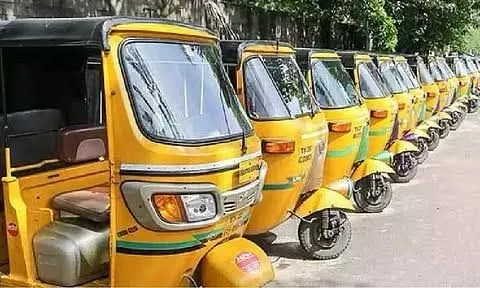
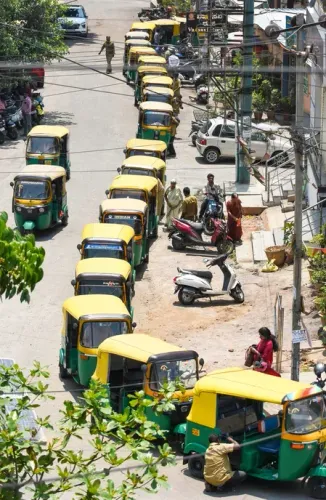
Tamil Nadu has approximately 3.46 lakh registered auto-rickshaws.
Tamil Nadu Progressive Consumer Centre President Sadagopan has called for mandatory digital fare meters and GPS devices in all auto-rickshaws.
The government is expected to finalise the revised fare structure after reviewing district-level recommendations, ahead of the festive season.
The Tamil Nadu Transport Department has directed district Collectors to conduct public consultation meetings on 23 September 2026 as part of the state government's move to revise auto-rickshaw fares across Tamil Nadu. Representatives from auto-rickshaw unions, consumer organisations, commuters, and other stakeholders are expected to attend and present their views before the government finalises a new fare structure.
Why a Revision Is on the Table
The fares currently in force were last fixed in 2013 — over a decade ago — and have remained unchanged despite repeated demands from drivers' associations. Under the existing structure, passengers pay ₹25 for the first 1.8 kilometres and ₹12 for every subsequent kilometre.
Auto-rickshaw unions argue that these rates are no longer viable, citing steep increases in fuel costs, maintenance, insurance, spare parts, and other day-to-day expenses. Tamil Nadu has approximately 3.46 lakh registered auto-rickshaws, making any fare revision a matter of considerable economic consequence for both drivers and commuters.
What Unions and Consumers Are Demanding
Auto-rickshaw unions have demanded that the minimum fare be raised to ₹45 and that passengers be charged ₹20 for every additional kilometre after the base distance. Notably, consumer groups have aligned with this demand rather than opposing it.
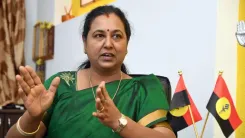
Tamil Nadu Progressive Consumer Centre President Sadagopan backed a minimum fare of ₹45 and ₹20 per kilometre thereafter, while urging the government to complete the process and announce revised fares without further delay. He stressed that an early decision is particularly important given the anticipated surge in passenger demand during the Ayudha Puja and Deepavali festival seasons.
Calls for Digital Meters and GPS
Sadagopan also called for stronger regulatory measures to reduce fare disputes and improve transparency. He urged the government to make digital fare meters and Global Positioning System (GPS) devices mandatory in all auto-rickshaws across the state. Such measures, he argued, would enable accurate fare calculation, strengthen passenger safety, and help authorities monitor compliance.
What Happens Next
The Transport Commissionerate has asked district administrations to consult consumer groups and other stakeholders before submitting their recommendations upward. The government is expected to examine the inputs gathered during the district-level meetings before announcing its final decision. The revised structure, once notified, will affect lakhs of daily commuters and drivers who depend on auto-rickshaws for their livelihoods and urban mobility.
Point of View
And driver incomes have been quietly squeezed for years. What is striking here is that consumer groups are not resisting the hike but actively supporting it, which removes the usual political friction and gives the government a relatively clean path to act. The real test will be implementation: Tamil Nadu has a long history of fare revisions stalling at the consultation stage. The push for digital meters and GPS is the more consequential reform — it addresses the root cause of passenger-driver disputes, not just the symptom of stale tariffs.
NationPress
20 Sept 2026
Frequently Asked Questions
Why is Tamil Nadu revising auto-rickshaw fares now?
Auto-rickshaw fares in Tamil Nadu have remained unchanged since 2013, even as fuel prices, maintenance costs, insurance, and spare-part expenses have risen sharply. Driver unions have repeatedly demanded a revision, and the state government has now initiated a public consultation process to finalise a new fare structure.
What are the current auto-rickshaw fares in Tamil Nadu?
Under the existing structure, passengers are charged ₹25 for the first 1.8 kilometres and ₹12 for every subsequent kilometre. These rates have been in force since 2013.
What fare revision are unions and consumer groups demanding?
Both auto-rickshaw unions and the Tamil Nadu Progressive Consumer Centre have proposed raising the minimum fare to ₹45 for the base distance and ₹20 for every additional kilometre thereafter.
When and how will the public consultations be held?
The Tamil Nadu Transport Department has directed district Collectors to hold public consultation meetings on 23 September 2026. Representatives from auto-rickshaw unions, consumer organisations, and commuters are expected to participate, and their views will inform the government's final decision.
Who will be affected by the revised auto-rickshaw fares?
The revision will affect lakhs of daily commuters across Tamil Nadu and the approximately 3.46 lakh registered auto-rickshaw drivers who depend on the service for their livelihood. The change is also expected to coincide with the Ayudha Puja and Deepavali festive seasons, when passenger demand typically rises.