Mettur dam opened for Cauvery delta irrigation after 3-month delay

Synopsis
Tamil Nadu's Mettur dam finally opened on 1 September — nearly three months behind schedule — as CM C. Joseph Vijay released Cauvery water for delta irrigation. The delay, caused by poor rainfall and low storage, arrives alongside a live Supreme Court battle over Karnataka's water releases, setting up a critical 45-day window for delta farmers.
Key Takeaways
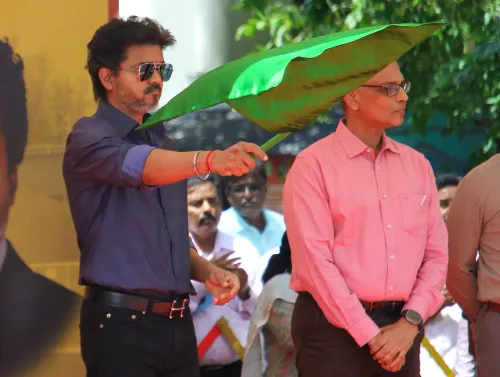
Joseph Vijay opened the Mettur dam sluice gates on 1 September , releasing Cauvery water for delta irrigation after a three-month delay .
The release is planned for 45 days , subject to inflows and reservoir storage levels.
The dam is normally opened on 12 June to support the kuruvai paddy crop; this year's delay is one of the longest in recent years.
The Supreme Court adjourned the Tamil Nadu–Karnataka Cauvery water dispute to 15 September , directing both states to submit updated records.
Karnataka told the court it released 9,888 cusecs on 30 August — above the required 9,000 cusecs — and later exceeded 11,000 cusecs .
This was Vijay's first visit to Mettur since taking office as Chief Minister on 10 May .
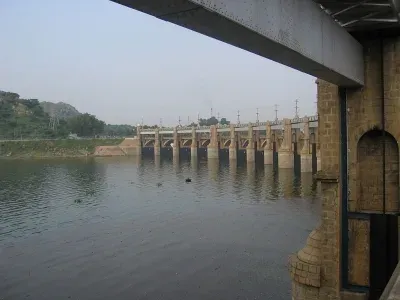
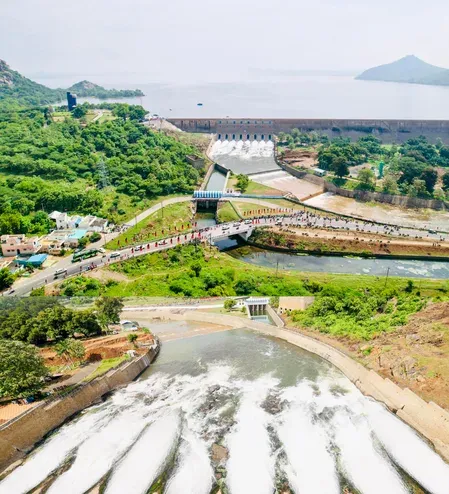
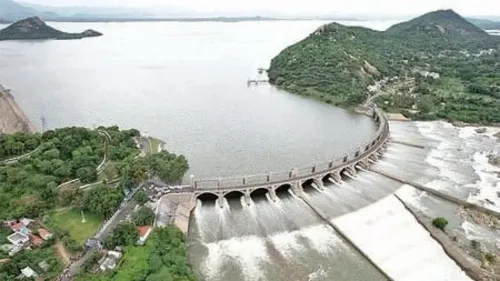
Tamil Nadu Chief Minister C. Joseph Vijay on Tuesday, 1 September opened the sluice gates of the Stanley Reservoir at Mettur, releasing Cauvery water for irrigation across the delta region after a delay of nearly three months — caused by deficient rainfall in the river's catchment areas and critically low storage levels. The release marks a significant moment for delta farmers who had been waiting to begin the cultivation season.
Key Developments
The state government has planned to sustain the release for 45 days from 1 September, subject to inflows and available storage at the reservoir. Agricultural lands across the Cauvery delta districts are expected to benefit, allowing farmers to commence cultivation that had been held in limbo.
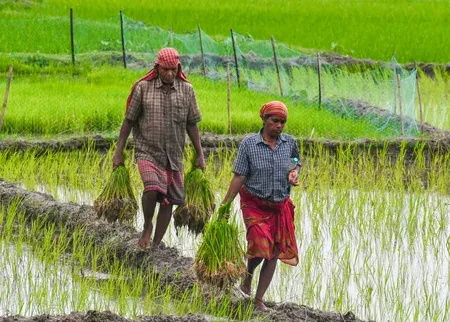
Under normal circumstances, the Mettur dam gates are opened on 12 June every year to support the kuruvai crop — a short-duration paddy variety widely cultivated in the Cauvery delta. This year's postponement by nearly three months is among the most significant delays in recent memory, compounding pressure on an already stressed farming community.
The visit also marked Vijay's first trip to Mettur since assuming office as Chief Minister on 10 May.
The Cauvery Water Dispute
The dam opening comes against the backdrop of a live legal battle between Tamil Nadu and Karnataka over Cauvery water sharing. On Monday, the Supreme Court adjourned the matter to 15 September after Tamil Nadu sought directions compelling Karnataka to clear an accumulated shortfall in releases.
A Bench comprising Justices Vikram Nath and Sandeep Mehta directed both states to place subsequent developments on record before the next hearing.
What Tamil Nadu Argued
Senior advocate C.S. Vaidyanathan, appearing for Tamil Nadu, submitted that Karnataka had failed to make good the shortfall despite the matter having been recorded by the Cauvery Water Management Authority. He argued that large stretches of farmland in Tamil Nadu depended on Cauvery water and urged the court to ensure the state received its rightful allocation.
Karnataka's Position
Karnataka disputed the allegation, with its counsel senior advocate Shyam Divan telling the court that the state had released 9,888 cusecs on 30 August against the stipulated 9,000 cusecs. He further stated that the discharge had subsequently exceeded 11,000 cusecs. The Bench observed that Karnataka had increased its release from 11,000 to 12,000 cusecs from 12 August.
What Happens Next
Tamil Nadu had approached the Supreme Court seeking enforcement of the Cauvery Water Management Authority's directions, warning that any continuing deficit could severely affect delta agriculture. The next hearing on 15 September will be closely watched by farmers and state governments alike, as the monsoon season's final trajectory will determine whether the 45-day release window can be sustained.
Point of View
The release is hostage to Karnataka's upstream behaviour, and the Supreme Court's 15 September hearing will test whether the Cauvery Water Management Authority has any real enforcement teeth. That CM Vijay chose Mettur for his first symbolic visit since taking office signals the political weight of the issue — but optics cannot substitute for water.
NationPress
1 Sept 2026
Frequently Asked Questions
Why was the Mettur dam opening delayed this year?
The Mettur dam was delayed by nearly three months due to deficient rainfall in the Cauvery river's catchment areas and insufficient water storage in the Stanley Reservoir. The dam is normally opened on 12 June to support the kuruvai paddy crop, but this year's opening was pushed to 1 September.
How long will water be released from Mettur dam?
The Tamil Nadu government has planned to release water for 45 days from 1 September, subject to inflows and the availability of water in the reservoir. The release is intended to support irrigation across the Cauvery delta districts.
What is the current status of the Cauvery water dispute between Tamil Nadu and Karnataka?
The Supreme Court adjourned the case on Monday to 15 September after Tamil Nadu sought directions for Karnataka to clear an accumulated shortfall in water releases. A Bench of Justices Vikram Nath and Sandeep Mehta directed both states to place updated developments on record before the next hearing.
How much water was Karnataka releasing into the Cauvery?
Karnataka's counsel told the Supreme Court that the state released 9,888 cusecs on 30 August, exceeding the stipulated 9,000 cusecs. The discharge subsequently rose above 11,000 cusecs, and the Bench noted that Karnataka had increased releases from 11,000 to 12,000 cusecs from 12 August.
What is the kuruvai crop and why does it depend on the Mettur dam?
Kuruvai is a short-duration paddy variety extensively cultivated in the Cauvery delta districts of Tamil Nadu. It depends on timely water release from the Mettur dam, which is why the annual opening on 12 June is considered a critical agricultural milestone for delta farmers.