Tamil Nadu Boosts Thermal Power Generation to Tackle Summer Electricity Demand
Synopsis
As temperatures rise, Tamil Nadu is ramping up its coal-based thermal power generation to ensure a stable electricity supply. With a focus on enhancing capacity and operational readiness, the state aims to meet increasing summer demands effectively.
Key Takeaways
Tamil Nadu is preparing for increased electricity demand this summer.
The state plans to boost coal-based thermal power generation significantly.
Operational efficiency and maintenance are prioritized to ensure reliability.
Current coal reserves are sufficient for nearly four weeks.
Strategies are in place to transition more units to domestic coal.
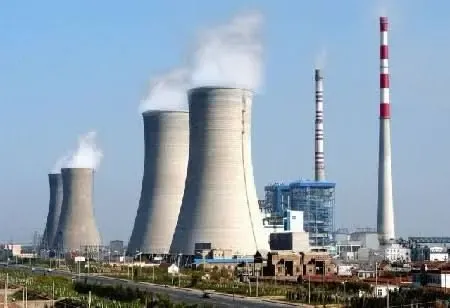
Chennai, March 19 (NationPress) Tamil Nadu is gearing up to address an increase in electricity demand as temperatures rise throughout the state, with energy authorities planning to maximize output from coal-fired thermal facilities in the upcoming days.
This initiative is designed to ensure a consistent electricity supply during the peak summer months, when energy consumption typically surges.
The state’s thermal power generation infrastructure, boasting an installed capacity of 5,120 MW, encompasses significant plants located in North Chennai, Mettur, and Thoothukudi.
Currently, these facilities are functioning at an average Plant Load Factor (PLF) of 60% to 75%, collectively producing approximately 84 million units of electricity each day.
Nonetheless, the recently-activated 800 MW unit at North Chennai Stage III is operating at roughly 50% of its capacity.
To accommodate expected peak demand, officials have devised a plan to elevate the PLF across thermal units by an additional 5% to 10%.
This enhancement is anticipated to significantly increase electricity generation and decrease reliance on costly power purchases from private suppliers, thereby aiding in cost management for the power distribution system.
Operational readiness has been bolstered across the network, with senior engineering personnel instructed to closely monitor plant performance, particularly on critical components such as boilers and turbines.
Preventive maintenance and ongoing supervision are prioritized to avert any generation disruptions during this high-demand phase.
Simultaneously, efforts are underway to gradually improve output from the North Chennai Stage III unit to bring it closer to optimal capacity.
On the fuel front, the state currently possesses sufficient coal reserves to maintain operations for nearly four weeks. Regular supplies are secured through long-term agreements with domestic coal producers, ensuring a steady influx of fuel.
Additional shipments are anticipated shortly, further enhancing stock levels and mitigating the risk of shortages. While imported coal is still utilized in certain units, including North Chennai Stage III and Mettur, steps are being explored to transition more units to domestic coal.
The improved availability and quality of locally sourced coal present an opportunity to lessen dependence on imports. With these strategies in place, the state aims to uphold grid stability and efficiently meet the increasing electricity demands during the summer season.
aal/rad
Point of View
The proactive measures being taken by Tamil Nadu to augment its thermal power output are commendable. The state's focus on enhancing efficiency and reducing dependency on costly imports indicates a responsible approach to managing growing energy demands during extreme weather conditions.
NationPress
21 Sept 2026
Frequently Asked Questions
What steps is Tamil Nadu taking to meet rising electricity demand?
Tamil Nadu is increasing output from its coal-based thermal plants and enhancing operational efficiency to ensure a consistent electricity supply during peak summer demand.
What is the current capacity of Tamil Nadu's thermal power generation?
The installed capacity of Tamil Nadu's thermal power generation stands at 5,120 MW, including major plants in North Chennai, Mettur, and Thoothukudi.
How does the Plant Load Factor (PLF) affect electricity generation?
The Plant Load Factor (PLF) indicates the efficiency of power plants. Increasing the PLF by 5% to 10% can substantially enhance electricity generation and reduce reliance on external power purchases.
Are there concerns about coal supply for power generation?
Currently, Tamil Nadu has adequate coal reserves for nearly four weeks, with additional shipments expected to stabilize supply.
What measures are in place to prevent disruptions during high demand?
The state is prioritizing preventive maintenance and continuous monitoring of critical components in power plants to avoid any disruptions in generation.