Tamil Nadu Faces Record Electricity Demand of 20,974 MW Amid Heatwave

Synopsis
In a historic development, Tamil Nadu reports an unprecedented electricity demand of 20,974 MW due to soaring summer temperatures, coupled with daily consumption hitting 460 million units. This surge puts immense pressure on the power grid as officials anticipate continued challenges ahead.
Key Takeaways
Record electricity demand: Tamil Nadu reached 20,974 MW.
Peak daily consumption: 460 million units reported.
Heatwave impact: Numerous regions experiencing temperatures 2-3°C above normal.
Solar power contribution: Peak outputs between 5,401 MW and 8,011 MW.
Future challenges: Anticipated continued high demand and pressure on the grid.
Chennai, April 18 (NationPress) Tamil Nadu has achieved a historic milestone in electricity demand, reaching an unprecedented 20,974 MW as the sweltering summer heat has led to a significant increase in power usage throughout the state.
The daily energy consumption also peaked at a record 460 million units (MU), illustrating the ongoing strain on the grid due to persistent heat conditions.
This recent peak has eclipsed the former record of 20,830 MW that was set in 2024.
Similarly, the latest consumption figures have surpassed the previous high of 454.320 MU, emphasizing the magnitude of the current electricity demand surge.
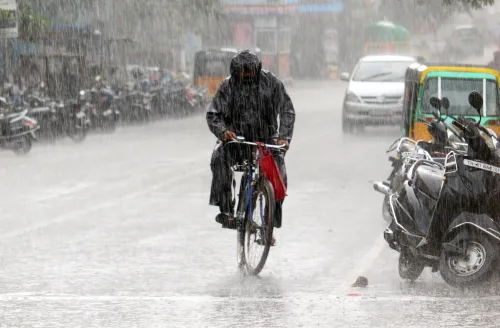
The rise in demand coincides with above-normal temperatures across Tamil Nadu, with various regions reporting increases of 2–3 degrees Celsius.
Karur Paramathi recorded a high of 41.2 degrees Celsius, while interior districts like Erode and Madurai have reported temperatures around 40 degrees Celsius, indicating widespread heat stress.
Officials noted that the effects of the ongoing heatwave are markedly evident in the state's demand patterns.
Peak loads have exceeded 20,000 MW multiple times in a short period, indicating sustained high usage rather than isolated spikes.
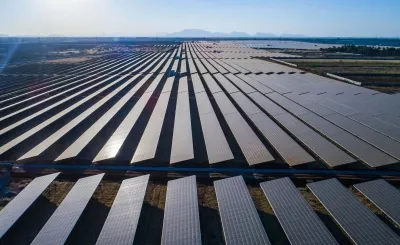
Solar energy generation has contributed to meeting some of the daytime demand, with peak outputs ranging from 5,401 MW to 8,011 MW.
However, the elevated temperatures extending into the evening have kept overall demand high, limiting the alleviating impact of solar energy.
A comparison with the previous year reveals a substantial increase in demand. Last year, peak demand only surpassed 20,000 MW once during this timeframe, with much lower average levels.
In contrast, the current trend reflects repeated breaches of that threshold in quick succession. Energy consumption has also surged significantly.
While last year's peak daily usage was lower, the current period frequently sees consumption exceeding 400 MU, remaining above 420 MU on several occasions, and nearing or surpassing 430 MU even before the peak summer phase.
With hot and humid conditions expected to persist, officials predict ongoing pressure on the grid, primarily driven by increased use of cooling devices and sustained high temperatures throughout the state.
aal/rad
Point of View
It is evident that the escalating electricity demand in Tamil Nadu due to the ongoing heatwave poses significant challenges for the state's power infrastructure. The record-breaking figures indicate a pressing need for sustainable energy solutions to mitigate future demands.
NationPress
16 Sept 2026
Frequently Asked Questions
What is the highest electricity demand recorded in Tamil Nadu?
The highest electricity demand recorded in Tamil Nadu is 20,974 MW.
What factors are contributing to the surge in power consumption?
The surge in power consumption is primarily due to soaring summer temperatures, with many regions experiencing temperatures above normal.
How much energy is Tamil Nadu consuming daily?
Tamil Nadu's daily energy consumption has peaked at 460 million units.
What role does solar energy play in current power generation?
Solar energy generation has contributed to daytime demand, with peak outputs ranging from 5,401 MW to 8,011 MW.
What are officials predicting for the future of energy demand in Tamil Nadu?
Officials anticipate continued pressure on the power grid due to sustained high temperatures and increased use of cooling appliances.