Tamil Nadu activates district control rooms to shield paddy from rain damage

Synopsis
Tamil Nadu has activated district-level emergency control rooms and ordered field machinery pre-positioned at vulnerable locations to protect paddy — both standing and harvested — ahead of intensifying rainfall. Agriculture Minister Vinoth's directive covers drainage clearance, storage safeguards at procurement centres, and rapid damage assessment with GPS-tagged reports to fast-track farmer relief.
Key Takeaways
Agriculture Minister Vinoth on 24 October ordered precautionary measures across Tamil Nadu to protect paddy from rain damage and waterlogging.
District-level control rooms have been activated to coordinate emergency operations and assist farmers.
Officials must identify flood-prone fields, clear drainage channels, and pre-position tractors and pumps at vulnerable locations.
Harvested paddy at government procurement centres must be covered and, where possible, moved to safer storage promptly.
Damage assessment teams are required to submit reports with photographs and GPS coordinates to expedite farmer relief under government schemes.
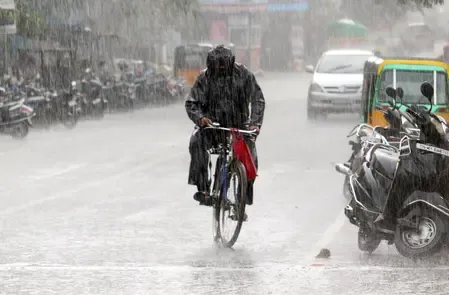
Tamil Nadu's Agriculture and Farmers' Welfare Minister Vinoth on Saturday, 24 October ordered a sweeping set of precautionary measures to protect standing and harvested paddy from rain damage, directing all districts to activate emergency control rooms and place field machinery on standby. The directive comes ahead of anticipated heavy rainfall across the state's farming belts.
Key Directives Issued
Minister Vinoth has instructed officials to identify flood-prone agricultural fields and conduct vulnerability inspections before rainfall intensifies. Teams from the Agriculture, Horticulture, and Agricultural Engineering departments have been asked to assess local risks and put in place measures to protect both crops and agricultural infrastructure.
Particular emphasis has been placed on safeguarding paddy that is ready for harvest as well as grain that has already been harvested. At government procurement centres, stocks must be secured with protective coverings to prevent water ingress. Where conditions allow, harvested grain should be transported promptly to safer storage facilities, and officials have been asked to identify and address any shortcomings in existing storage arrangements.
Drainage and Machinery Deployment
The minister's orders specifically call for removing obstructions from irrigation canals, drainage channels, and field waterways to ensure the free flow of rainwater — a critical step in preventing prolonged waterlogging that can devastate standing crops. Agricultural Engineering Department personnel have been directed to pre-position tractors, pumps, and other equipment at vulnerable locations so that excess water can be drained from affected fields without delay after rainfall.
Damage Assessment and Farmer Relief
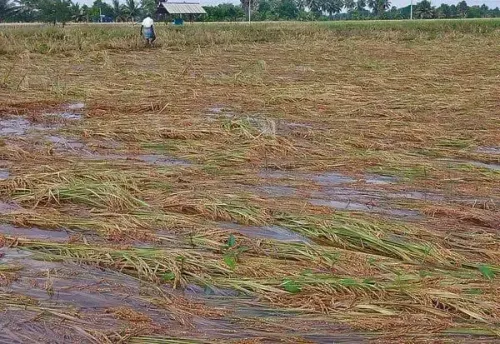
In areas where crops do sustain damage, inspection teams are required to visit immediately, assess losses, and submit detailed reports — including photographs and GPS coordinates — to document affected locations and the extent of destruction. The minister has urged officials to accelerate these assessments so that eligible farmers can access relief under applicable government schemes at the earliest.
Coordination and Oversight
District-level control rooms will serve as the nerve centres for emergency operations, coordinating responses as weather conditions evolve. Officials must continuously monitor field operations and report on preventive measures, paddy protection, drainage work, and crop damage assessments to agricultural engineering authorities. The department has also directed teams to ensure the personal safety of personnel undertaking field inspections and emergency work during adverse weather conditions.
With the monsoon season posing recurring threats to Tamil Nadu's paddy belt, the government's pre-emptive mobilisation signals an intent to reduce post-harvest losses — a perennial challenge for farmers in the state's delta districts.
Point of View
But Tamil Nadu's delta districts have historically struggled with drainage infrastructure that is inadequate even in normal monsoon years. The requirement for GPS-tagged damage reports is a welcome step toward accountability, yet it means little if relief disbursement timelines remain slow. The real test will be whether farmers in the most vulnerable paddy belts receive timely payouts — not just timely inspections.
NationPress
24 Oct 2026
Frequently Asked Questions
What measures has Tamil Nadu announced to protect paddy from rain damage?
Tamil Nadu has activated district-level control rooms, ordered pre-positioning of tractors and pumps at flood-prone fields, mandated protective coverings at government procurement centres, and directed teams to clear drainage channels. Agriculture Minister Vinoth issued the directive on 24 October ahead of anticipated heavy rainfall.
Who is overseeing the emergency operations in Tamil Nadu?
District-level control rooms are coordinating emergency operations. Teams from the Agriculture, Horticulture, and Agricultural Engineering departments are working alongside local bodies, under the overall direction of Agriculture and Farmers' Welfare Minister Vinoth.
How will crop damage be assessed and reported?
Inspection teams are required to visit damaged areas without delay, assess losses, and submit detailed reports that include photographs and GPS coordinates. These reports are meant to help eligible farmers access relief under applicable government schemes quickly.
What steps are being taken to prevent waterlogging in paddy fields?
Officials have been directed to remove obstructions from irrigation canals, drainage channels, and field waterways to ensure free flow of rainwater. Agricultural Engineering Department personnel must keep pumps and other drainage machinery ready for immediate deployment after rainfall.
Which farmers are eligible for relief if their crops are damaged?
Farmers whose paddy sustains damage during the rain event are eligible for relief under applicable Tamil Nadu government schemes. The minister has asked officials to accelerate damage assessments so that eligible farmers receive assistance at the earliest possible stage.