Tamil Nadu to buy 1,500 MW extra power to prevent cuts from Oct 15
Synopsis
Tamil Nadu is staring down a 4,850 MW supply shortfall this October — and without an emergency purchase of 1,500 MW, residents would face two-to-three hour daily cuts. Demand has shot up 30% in a year, wind power has collapsed to a fraction of contracted capacity, and the state is still scrambling for a long-term fix it should have secured years ago.
Key Takeaways
Tamil Nadu will procure an additional 1,500 MW of electricity from 15 to 31 October during evening peak hours (6 pm–midnight).
Peak demand has surged from 16,800 MW to 21,700 MW — a rise of nearly 30% — driven by El Niño -linked heat.
The state faces a total supply shortfall of approximately 4,850 MW , including 1,850 MW unavailable from central allocations.
Additional procurement will cost an estimated ₹5 crore per day ; naphtha-based supply at ₹47/unit has been excluded.
Long-term tenders for at least 3,500 MW will be floated this month; the state targets 6,000–8,000 MW of additional supply by 2028–29 .
Nirmal Kumar blamed the previous DMK government for failing to sign long-term power agreements.
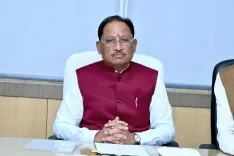
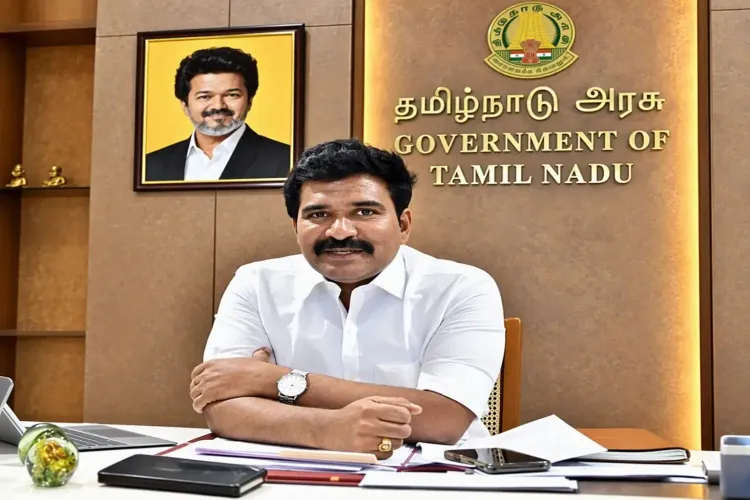
Tamil Nadu will procure an additional 1,500 MW of electricity during evening peak hours from 15 October to 31 October to stave off power cuts, as peak demand in the state has surged nearly 30% year-on-year, Electricity and Law Minister R. Nirmal Kumar said on Tuesday, 13 October. The purchases will be made between 6 pm and midnight, when solar generation is unavailable, at an estimated additional expenditure of approximately ₹5 crore per day.
Scale of the Demand Crisis
Peak demand in Tamil Nadu has climbed from 16,800 MW during the same period last year to around 21,700 MW this year — a rise of nearly 30%. The state is currently facing a supply shortfall of approximately 4,850 MW, which includes 1,850 MW unavailable from central allocations. Wind generation has dropped sharply to around 500 MW against arrangements covering 3,500 MW. Minister Nirmal Kumar attributed the surge in demand to persistent heat linked to El Niño and said national demand forecasts had underestimated Tamil Nadu's requirement.
How the Procurement Will Work
Although bids had been invited for up to 3,500 MW, purchases will be capped at 1,500 MW, depending on prevailing prices and actual requirements. Gas-based electricity is available at approximately ₹35 per unit, while naphtha-based supply — priced at around ₹47 per unit — will be excluded from procurement. Tamil Nadu has also secured 430 MW of thermal power from Assam and explored purchases from other states, but cheaper supplies have proven insufficient to bridge the gap. Without this additional procurement, consumers would have faced power cuts lasting two to three hours, the minister said.
Long-Term Plans to Reduce Short-Term Dependence
To address the structural supply gap, the Tamil Nadu government will invite tenders this month for long-term procurement of at least 3,500 MW. A separate five-year arrangement for 1,500 MW to 2,000 MW is also being prepared, with the state targeting additional supplies of 6,000 MW to 8,000 MW by 2028–29. The government is additionally reviewing renewable energy procurement to incorporate battery storage, improve transparency, and obtain real-time generation data. Thermal generation has been ramped up to around 4,200 MW to 4,300 MW, the minister noted.
Political Blame Game and Infrastructure Issues
Nirmal Kumar accused the previous Dravida Munnetra Kazhagam (DMK) administration of failing to sign long-term power agreements, leaving the state vulnerable to supply shortfalls. He denied that the current TVK government had cancelled any existing contracts. On a separate note, the minister addressed Monday's power interruption at the state Secretariat, saying an overheated electrical board on one floor had been repaired within approximately 15 minutes. He denied that a building-wide outage had occurred and confirmed that hospitals and other critical facilities had backup feeders to maintain uninterrupted supply. A revival plan for the stalled Uppur thermal project is also under preparation.
Point of View
But the emergency procurement underscores a planning failure that predates any single government. Tamil Nadu's wind generation crashing to 500 MW against a 3,500 MW contracted capacity is a structural alarm — not a seasonal blip — and points to over-reliance on intermittent sources without adequate storage or backup. The blame directed at the previous DMK administration is politically convenient but incomplete: long-term power procurement has been chronically under-prioritised across successive administrations. The real test will be whether the promised 3,500 MW long-term tender actually closes this year, and whether the Uppur thermal project revival moves beyond review into concrete commissioning timelines.
NationPress
13 Oct 2026
Frequently Asked Questions
Why is Tamil Nadu buying extra electricity in October 2026?
Tamil Nadu is purchasing an additional 1,500 MW during evening peak hours from 15 to 31 October because peak demand has surged nearly 30% to around 21,700 MW, creating a supply shortfall of approximately 4,850 MW. Without the extra procurement, consumers would face power cuts of two to three hours, according to Electricity Minister R. Nirmal Kumar.
What will the additional power procurement cost Tamil Nadu?
The additional procurement is estimated to cost around ₹5 crore per day. Gas-based electricity is available at approximately ₹35 per unit and will be included, while naphtha-based supply at around ₹47 per unit has been excluded to keep costs manageable.
What is causing Tamil Nadu's electricity shortage?
The shortage is driven by a combination of El Niño-linked heat pushing demand to record levels, a sharp drop in wind generation to around 500 MW against contracted capacity of 3,500 MW, and 1,850 MW unavailable from central allocations. National demand forecasts also underestimated Tamil Nadu's requirement, the minister said.
What long-term steps is Tamil Nadu taking to fix the power supply gap?
The state government will invite tenders this month for long-term procurement of at least 3,500 MW. A five-year arrangement for 1,500–2,000 MW is also being prepared, with additional supplies of 6,000–8,000 MW targeted by 2028–29. The government is also reviewing battery storage integration and preparing a revival plan for the stalled Uppur thermal project.
Is the previous government responsible for the current power crisis?
Electricity Minister R. Nirmal Kumar has accused the previous DMK administration of failing to sign long-term power agreements, which he says contributed to the current shortfall. He denied that the TVK government had cancelled any existing contracts, though the opposition's response has not been detailed in official statements.