Tamil Nadu QR-coded mineral permits to replace paper passes, curb illegal sand transport
Synopsis
Tamil Nadu is replacing paper mineral transit passes with QR-coded digital permits linked to the MIMAS portal, GPS trackers, and weighbridges — a sweeping overhaul triggered by widespread forgery, including a case where 14 trucks in Thiruvallur were caught with fake passes. Whether the system closes loopholes depends entirely on consistent on-the-ground enforcement.
Key Takeaways
Tamil Nadu will require QR-coded digital permits for all mineral transport vehicles, replacing paper transit passes via the MIMAS portal.
Natural Resources Minister D.K.
Prabhu confirmed manual passes will be discontinued upon launch; no launch date has been set.
Trucks transporting minerals must install GPS devices by 30 September .
Weighbridges are being integrated with MIMAS; limestone quarry sites are already linked, minor mineral sites are pending.
About 14 trucks in Thiruvallur district were recently detained over allegedly forged transit passes, with cases filed against drivers and owners.
Sand lorry operators support digitisation but want government-confirmed permits and tighter oversight at crusher units and stone quarries.
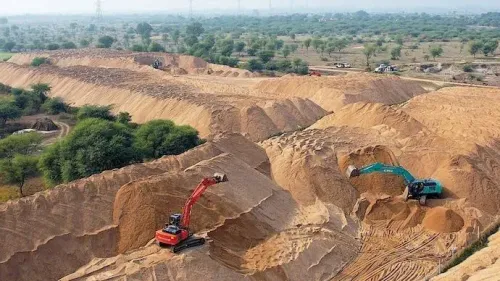
Vehicles transporting sand and other minerals across Tamil Nadu will soon require QR-coded digital permits in place of paper transit documents, as the state government moves to crack down on illegal shipments carried out using forged passes. The overhaul covers minerals classified as both major and minor under existing law.
How the New System Works
Natural Resources Minister D.K. Prabhu said permits will be generated through the state's Mineral Management System (MIMAS) portal, and manual passes will be discontinued once the platform goes live. No formal launch date has been announced by the department.
Each digital permit will embed details of the consignment — including the quantity transported and the quarry of origin — that can be verified by field officials at any point along the route. A dedicated control room will monitor transportation in real time and flag overloaded vehicles for inspection.
Weighbridges and GPS Devices Looped In
Weighbridges across the state are being integrated with MIMAS so that the actual load carried by a vehicle can be cross-checked against the quantities declared on the permit. Weighbridges serving limestone quarry leases are already linked to the portal; the department is now working to extend connectivity to sites producing minor minerals, including stone quarries.
In parallel, trucks carrying minerals have been given a deadline of 30 September to install GPS devices, adding a second layer of real-time journey tracking.
Industry Welcomes Move but Flags Gaps
Sand lorry operators have broadly welcomed the shift to online documentation. However, they have raised concerns about liability when contractors supply fraudulent transport papers. Operators want digital permits to carry confirmation from a government official so that drivers and vehicle owners can independently verify validity before accepting a load.
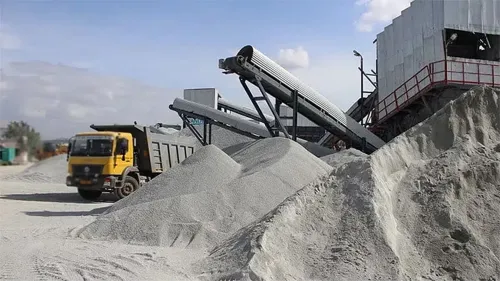
The operators have also sought tighter oversight at crusher units to ensure minerals leaving those sites comply with rules, and have urged the department to accelerate the integration of stone quarry weighbridges into the portal. They argue that digital permits will deliver limited value if shipments depart extraction sites without reliable weighing and verification.
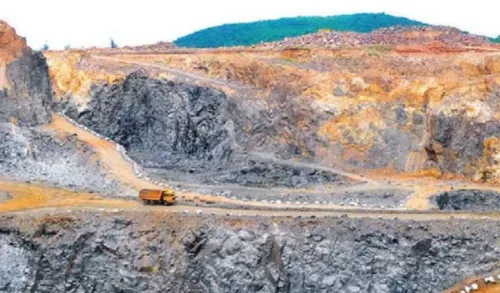
Notably, operators allege that illegal stone quarries continue to function, and have proposed that the government directly operate quarries and supply manufactured sand and plastering sand to the market.
Ground Reality: Detentions and Fake Passes
The urgency behind the reforms is underscored by recent enforcement action. In Thiruvallur district, approximately 14 trucks carrying soil were detained over allegedly forged transit passes and permits; cases were registered against drivers and vehicle owners. The incident illustrates the scale of the fraud that the digital system is designed to prevent.
What Comes Next
Officials say the planned system's central test will be whether authorities can verify permits and loads consistently at every stage — from the quarry gate to the final destination. The QR-coded permit rollout forms part of a broader state initiative to digitise mining administration end-to-end, from extraction through transportation to royalty and GST collection. The pace at which weighbridge integration and GPS adoption are completed will largely determine whether the reform delivers on its anti-fraud promise.
Point of View
But the Thiruvallur detention case exposes the gap between system design and ground enforcement. The reform's credibility will hinge on two things the state has historically struggled with: consistent weighbridge connectivity and effective action against illegal quarries that operators say are still openly functioning. Digitising paperwork is the easy part; digitising accountability is not. Until stone quarry weighbridges are fully on the portal and the proposed control room moves beyond monitoring to actual interdiction, the new permits risk becoming a higher-tech version of the forgeable passes they replace.
NationPress
24 Sept 2026
Frequently Asked Questions
What is Tamil Nadu's new QR-coded mineral permit system?
It is a digital transit permit system under which all vehicles transporting sand and other minerals in Tamil Nadu must carry QR-coded passes generated through the state's Mineral Management System (MIMAS) portal, replacing paper documents. The system is designed to prevent illegal shipments and forged passes for both major and minor minerals.
When will the new digital permit system launch in Tamil Nadu?
The Tamil Nadu government has not announced a formal launch date for the MIMAS-based QR permit system. However, trucks carrying minerals have been given until 30 September to install GPS devices, signalling that related measures are already being rolled out.
Why is Tamil Nadu introducing QR-coded mineral permits?
The move is aimed at curbing widespread use of forged transit passes for mineral transport. In one recent case, about 14 trucks in Thiruvallur district were detained for carrying allegedly fake passes and permits, with cases filed against drivers and vehicle owners. Officials also expect the system to improve royalty revenue and GST collections.
How will the new system track mineral transport?
Each QR-coded permit will carry details of the mineral quantity and quarry of origin. Weighbridges are being integrated with the MIMAS portal to cross-check loads against declared quantities, and trucks must install GPS devices by 30 September for real-time journey tracking. A control room will monitor shipments and flag overloaded vehicles.
What concerns have lorry operators raised about the new permit system?
Sand lorry operators support the shift to digital documentation but want permits to carry verification from a government official so drivers can confirm authenticity before accepting a load. They have also called for tighter oversight at crusher units, faster integration of stone quarry weighbridges, and direct government operation of quarries to supply manufactured and plastering sand.