Taxation and Other Laws Bill 2026: FDI boost, manufacturing push, 15-year tax breaks
Synopsis
The Taxation and Other Laws (Amendment) Bill, 2026 isn't a routine finance amendment — it's a targeted playbook to fix the specific tax uncertainties that have kept global fund managers, cloud companies, electronics giants, and diamond traders from fully committing to India. The 15-year exemptions on electronics component storage and rough diamond sales are the most aggressive such concessions India has offered in years.
Key Takeaways
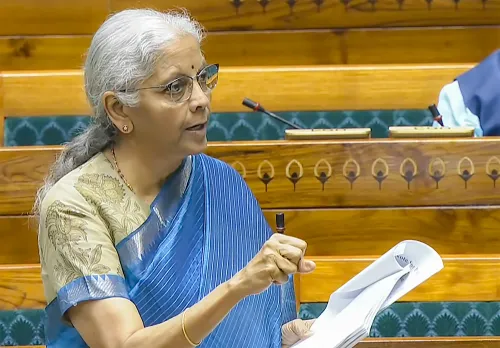
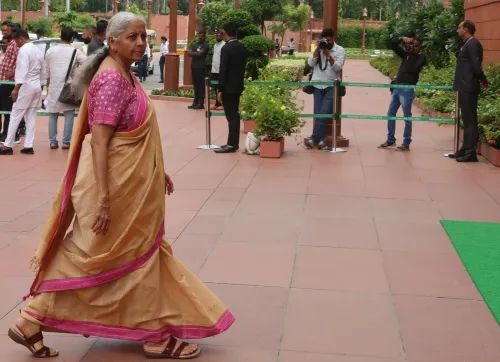
Finance Minister Nirmala Sitharaman introduced the Taxation and Other Laws (Amendment) Bill, 2026 in the Lok Sabha on Tuesday .
The Bill extends the tax exemption for foreign companies supplying machinery to Indian electronics factories by 10 years , beyond the existing 5-year window.
Income from foreign companies storing components in Indian bonded warehouses is fully exempted from tax for 15 years , replacing a 2 per cent presumptive margin regime.
Foreign diamond miners and associated traders selling rough diamonds in special zones in Mumbai and Surat receive a 15-year full tax exemption.
The Bill restores tax exemptions for investors in REITs and InvITs and eases rules for data centres to attract foreign cloud companies.
Eligibility conditions for foreign fund managers relocating to India have been significantly trimmed to prevent round-tripping without deterring genuine relocation.
Finance Minister Nirmala Sitharaman on Tuesday introduced the Taxation and Other Laws (Amendment) Bill, 2026 in the Lok Sabha, laying out a sweeping package of tax reliefs designed to attract foreign investment, deepen India's manufacturing base, and reduce the compliance burden on businesses operating in or through the country. The Bill targets global fund managers, cloud companies, electronics contract manufacturers, and rough diamond traders — sectors where policy uncertainty has historically deterred commitment.
Easing the Path for Global Fund Managers
One of the Bill's central provisions sharply trims the eligibility conditions that foreign fund managers must satisfy to relocate to India. The revised framework retains only those conditions essential to prevent misuse and round-tripping of money by Indian residents, according to a senior official. Crucially, the Bill allows fund managers to set up in India without triggering a determination that the foreign fund itself is 'doing business in India' — a classification that previously created an unintended tax exposure.
The Bill also restores the tax exemption for investors in business trusts — specifically Real Estate Investment Trusts (REITs) and Infrastructure Investment Trusts (InvITs) — to reinvigorate capital flows into real estate and infrastructure through operating companies. Alongside, rules for data centres have been eased to attract foreign cloud companies and support India's ambition to build large 'AI data cities', the official said.
Electronics Manufacturing: Longer Certainty, Cleaner Rules
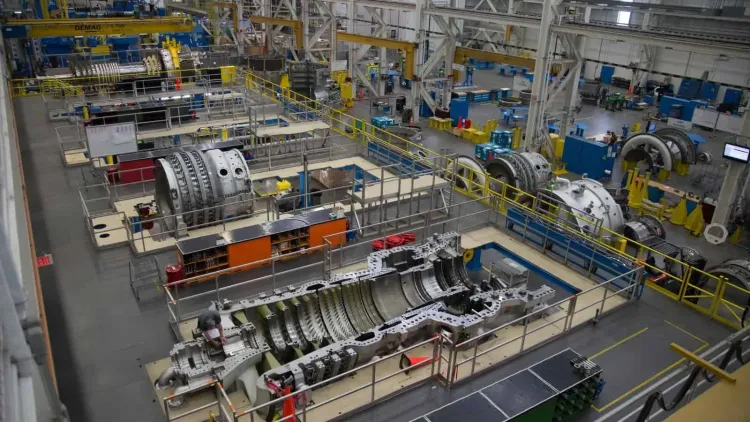
A second cluster of provisions targets electronics manufacturing and supply-chain deepening. When a foreign company supplies machinery or tooling to an Indian factory producing electronics on its behalf, the income from that arrangement was previously exempt from tax for five years. The Bill extends this exemption by a further ten years, providing a significantly longer planning horizon for global companies considering India as a production base.
The legislation also explicitly defines the electronic goods covered — including mobile phones, laptops, personal computers, tablets, servers, and their key components and accessories — removing ambiguity that had previously complicated compliance. This is expected to expand India's contract manufacturing ecosystem for these products, the official noted.
On component supply, the Bill goes further than an earlier safe-harbour regime that taxed foreign companies storing components in Indian bonded warehouses at a presumptive margin of 2 per cent. The new provision fully exempts this income from tax in India for 15 years, making the arrangement more competitive than comparable offerings from rival manufacturing destinations.
Rough Diamond Trade: Turning Display Zones into Trading Hubs
The Bill takes aim at drawing the global rough diamond trade to India. Foreign diamond miners have until now been permitted only to display rough diamonds in special zones in Mumbai and Surat without incurring tax merely for the display. The new provision goes a step further, fully exempting the income of foreign diamond miners and associated traders from the sale of rough diamonds in these zones for a period of fifteen years. The move is intended to convert these display zones into active trading hubs.
The Overarching Policy Intent
'Overseas players are often unsure whether operating in or through India will create an unexpected tax exposure. These proposals give clear, stable, and predictable tax treatment as well as the process to get the desired tax treatment,' the senior official said. Running through the entire Bill, the official added, is 'a consistent effort to make dealing with the tax system simpler and less burdensome.'
This comes amid sustained government efforts to position India as a preferred destination for global manufacturing and investment, particularly as supply chains reconfigure away from other Asian hubs. The Bill's combined suite of exemptions — spanning funds, cloud infrastructure, electronics, and diamonds — signals a deliberate attempt to address sector-specific friction points that broader policy frameworks had left unresolved. How swiftly the provisions translate into on-ground investment commitments will be closely watched.
Point of View
And it signals that the government has done the benchmarking. The rough diamond exemption is an ambitious play to shift trading flows from established centres like Dubai and Antwerp. The harder question is execution: tax certainty on paper means little if dispute resolution remains slow and advance rulings unpredictable — both longstanding complaints from the very investors this Bill is courting.
NationPress
18 Sept 2026
Frequently Asked Questions
What is the Taxation and Other Laws (Amendment) Bill, 2026?
It is a legislative package introduced by Finance Minister Nirmala Sitharaman in the Lok Sabha on Tuesday, offering targeted tax exemptions to attract foreign investment in fund management, cloud infrastructure, electronics manufacturing, and the rough diamond trade. The Bill aims to provide policy certainty and reduce compliance burdens for overseas businesses operating in or through India.
What does the Bill offer to electronics manufacturers?
The Bill extends the existing tax exemption for foreign companies supplying machinery and tooling to Indian electronics factories from five years to fifteen years in total. It also fully exempts, for 15 years, the income of foreign companies storing components in Indian bonded warehouses for supply to local contract manufacturers — replacing a previous 2 per cent presumptive tax margin.
How does the Bill benefit the rough diamond trade?
Foreign diamond miners and associated traders who sell rough diamonds in special zones in Mumbai and Surat will receive a full income tax exemption for fifteen years. Previously, these zones only permitted display of diamonds without tax, not actual trading.
What changes does the Bill make for foreign fund managers?
The Bill significantly reduces the eligibility conditions foreign fund managers must meet to relocate to India, retaining only those necessary to prevent round-tripping. It also ensures that a fund manager's presence in India does not cause the foreign fund itself to be treated as doing business in India, removing a key tax risk.
Why does the Bill restore exemptions for REITs and InvITs?
The restoration of tax exemptions for investors in Real Estate Investment Trusts (REITs) and Infrastructure Investment Trusts (InvITs) is intended to revive capital flows into real estate and infrastructure projects through operating companies, a channel that had been dampened by the earlier withdrawal of the exemption.