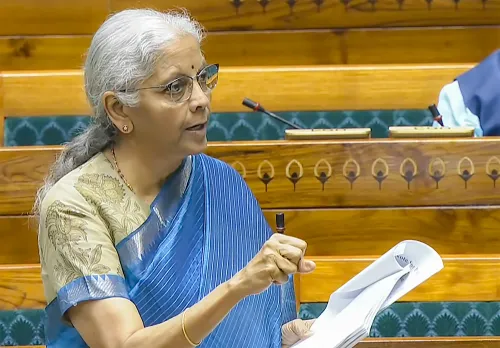
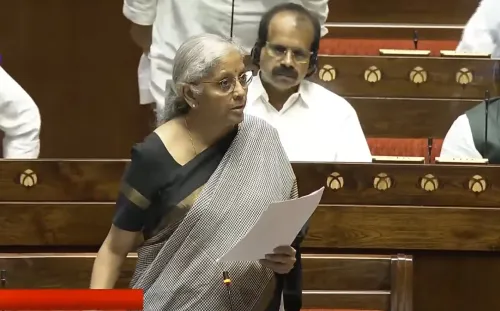
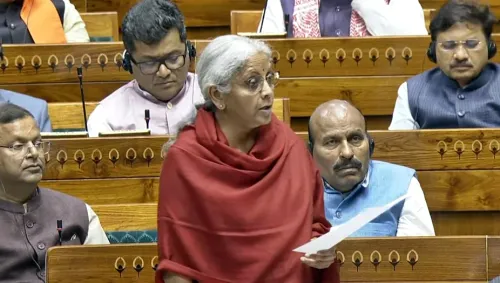
Sitharaman Replies to Tax Amendment Bill Debate in Rajya Sabha

Synopsis
Union Finance Minister Nirmala Sitharaman addressed Rajya Sabha on 10 August 2026 to reply to the discussion on the Taxation and Other Laws (Amendment) Bill, 2026, a key piece of legislation affecting taxpayers and businesses across India.
Key Takeaways
Nirmala Sitharaman replied to the Rajya Sabha discussion on The Taxation and Other Laws (Amendment) Bill, 2026 on 10 August 2026 .
The Bill follows the annual Finance Bill and amends the Income Tax Act , GST provisions , and related statutes.
Such bills are typically introduced to address judicial rulings, revenue requirements, or simplification goals.
The reply marks the government's definitive statement on the legislation, including any concessions on amendments.
Next steps include a Rajya Sabha vote , possible Lok Sabha consideration, and Presidential assent .
The upper house of Parliament turned its attention to tax law on Monday, 10 August 2026, as Union Finance Minister Nirmala Sitharaman took the floor in Rajya Sabha to deliver her reply to the discussion on The Taxation and Other Laws (Amendment) Bill, 2026 — a moment that signals where India's tax framework is headed next.
What the Bill is and why Rajya Sabha's scrutiny matters
Taxation and Other Laws Amendment Bills are a routine but consequential instrument of Indian fiscal governance. Introduced after the annual Finance Bill, they allow the government to update the Income Tax Act, GST provisions, and related statutes in response to judicial rulings, revenue shortfalls, or simplification mandates. The Rajya Sabha's role is not merely ceremonial — its debates can sharpen, delay, or reshape legislation before it reaches the President's desk.
Sitharaman, as Union Minister of Finance and Corporate Affairs, is the principal architect of India's tax legislation. Her reply to the discussion is the government's definitive statement on the Bill — addressing objections raised by members, clarifying intent, and signalling which amendments, if any, the government is willing to accept.
Taxpayers and businesses watching the outcome
The two constituencies with the most at stake are individual taxpayers and Indian businesses, both of whom are directly affected by changes to income tax and GST structures. Any amendments to compliance timelines, penalty provisions, or assessment procedures carry immediate practical consequences for millions of filers and firms.
The next steps to watch: a Rajya Sabha vote on the Bill, the possibility of select-committee referral or floor amendments, and — if passed — its return to Lok Sabha before going to the President for assent.
Point of View
The reply speech often contains the clearest signal of fiscal priorities for the year ahead. The Rajya Sabha's scrutiny also matters politically: the upper house has historically been a space where the opposition extracts concessions or forces the government to sharpen its justifications on economic legislation. How the Bill exits this chamber will set the tone for India's tax administration well into the next assessment year.
NationPress
24 Sept 2026
Frequently Asked Questions
What is the Taxation and Other Laws (Amendment) Bill, 2026?
It is a parliamentary bill introduced by the government to amend the Income Tax Act, GST provisions, and related tax statutes, typically in response to judicial rulings, revenue needs, or simplification goals.
Why is Nirmala Sitharaman replying to the debate in Rajya Sabha?
As Union Finance Minister and the bill's principal sponsor, Sitharaman delivers the government's official reply to the discussion, addressing objections from members and clarifying the legislation's intent.
What happens after Rajya Sabha debates the tax amendment bill?
After the reply, the house votes on the bill. If passed, it may go back to Lok Sabha for concurrence on any amendments before being sent to the President for assent.
Who is affected by the Taxation and Other Laws (Amendment) Bill?
Individual taxpayers and businesses are the primary stakeholders, as changes to income tax and GST structures directly affect compliance obligations, penalties, and assessment procedures.
Where can I watch Nirmala Sitharaman's Rajya Sabha reply live?
The Finance Ministry's official social media channels shared a live broadcast link for the session on 10 August 2026.