Telangana statehood activists to be classified in four categories by government panel
Synopsis
Telangana's newly formed high-level committee has laid out a four-tier framework to formally recognise statehood movement activists — from martyrs at the top to grassroots participants at the base. With consultations spanning the 1969, 1972, and 1996 agitations and a pledge to work across party lines, this is the most structured official attempt yet to honour the movement that created India's youngest state.
Key Takeaways
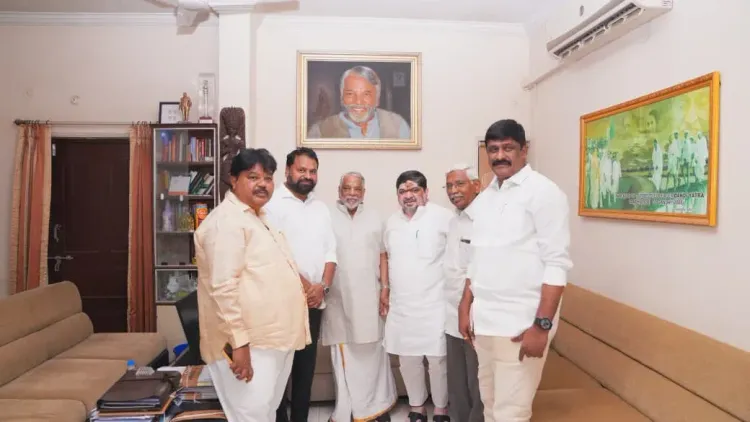
The Telangana government committee on Telangana Udyamakarulu held its first meeting on 17 May in Hyderabad .
Activists will be classified into four categories : martyrs, injured, those arrested or prosecuted, and grassroots participants from various states.
The panel is headed by government advisor K.
Keshava Rao and includes Minister Ponnam Prabhakar and senior legislators.
Consultations will be held with activists from the 1969 , 1972 , and 1996 movements, plus an all-party meeting .
The committee will set up its office at Amaraveerula Jyothi (Martyrs' Memorial Flame) and conduct district tours for public input.
The process is explicitly designed to be non-partisan , addressing criticism that the previous administration recognised only a select few.
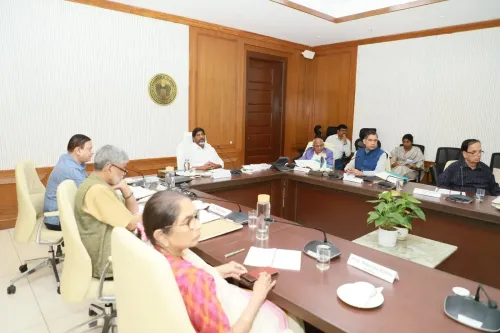
A high-level committee constituted by the Telangana government to identify Telangana Udyamakarulu (statehood movement activists) has resolved to recognise genuine participants across four distinct categories, with the first priority accorded to those who sacrificed their lives during the movement. The panel held its inaugural meeting in Hyderabad on Sunday, 17 May, setting the framework for what officials describe as a comprehensive and non-partisan recognition process.
The Four Categories Explained
According to an official release, the panel will first recognise those who lost their lives during the Telangana movement. The second category covers activists who sustained injuries in the course of the agitation. The third category will include those who were imprisoned, arrested, or faced legal proceedings in connection with the movement. The fourth and broadest category will encompass activists from various states who participated at the grassroots level — with newspaper clippings proposed as a key reference for verifying their involvement.
Committee Composition and Leadership
The committee is headed by K. Keshava Rao, government advisor on public relations and education. Its members include Minister Ponnam Prabhakar, MLCs Prof. Kodandaram and Addanki Dayakar, former MLC Ramulu Naik, and Mothe Shobhan Reddy. The panel was constituted two days prior to the meeting and has been tasked with framing strict eligibility criteria and building a comprehensive database to support welfare measures and state honours.
Scope of Consultations
The committee resolved to hold consultations with activists from the 1969, 1972, and 1996 movements to gather proposals. It will also convene an all-party meeting in the near term and invite submissions from a wide range of organisations — including the Telangana Movement Activists' Joint Action Committee (JAC), employee unions, the Artists' JAC, the Lawyers' JAC, caste associations, and movement organisations formed across different districts. The panel further decided to undertake district-wide tours for public consultations.
Ensuring a Non-Partisan Process
The committee explicitly noted that the previous administration had extended assistance to only a select few, and affirmed that the current exercise would be conducted independent of political affiliations. The panel expressed gratitude to Chief Minister Revanth Reddy for formally constituting the body and resolved to establish its office within the premises of Amaraveerula Jyothi (Martyrs' Memorial Flame) in Hyderabad.
With district tours, multi-stakeholder consultations, and an all-party meeting all on the agenda, the committee's work is expected to shape a landmark recognition framework for one of India's most consequential regional statehood movements.
Point of View
But the real test lies in implementation. Defining 'grassroots participation' for the fourth category — where newspaper clippings are the proposed evidence standard — opens the door to disputes and political gaming. The committee's pledge of non-partisanship is notable precisely because it implicitly concedes that past recognition was partisan. Whether an advisory body with no statutory enforcement power can hold that line, especially as it opens consultations to dozens of JACs and caste associations, remains the central question.
NationPress
2 Oct 2026
Frequently Asked Questions
What is the Telangana government's four-category framework for statehood movement activists?
The Telangana government's high-level committee has proposed recognising activists in four tiers: those who died during the movement, those who were injured, those who were arrested or faced legal cases, and grassroots participants from various states. The framework was decided at the panel's first meeting on 17 May in Hyderabad.
Who heads the committee to identify Telangana Udyamakarulu?
The committee is headed by K. Keshava Rao, government advisor on public relations and education. Its members include Minister Ponnam Prabhakar, MLCs Prof. Kodandaram and Addanki Dayakar, former MLC Ramulu Naik, and Mothe Shobhan Reddy.
Which historical movements will be covered by the recognition process?
The committee has resolved to consult activists from the 1969, 1972, and 1996 Telangana movements. It will also seek proposals from JACs, employee unions, caste associations, and district-level organisations across the state.
How will grassroots activists in the fourth category be identified?
For the fourth category — covering activists from various states who participated at the grassroots level — the committee has suggested using newspaper clippings documenting their involvement as a key reference. The panel will also invite proposals from civil society.
Why has the committee stressed a non-partisan approach?
The committee noted that the previous administration extended recognition to only a select few, implying a politically skewed process. It has committed to conducting the current exercise independent of party affiliations, with an all-party meeting planned to ensure broader stakeholder input.