Telangana Cabinet Expands Meals, Clears TIMS Jobs & Musi Funds
Synopsis
The Telangana cabinet chaired by CM Revanth Reddy on 2 July 2026 approved breakfast and lunch for 1.5 lakh school staff, 6,278 TIMS hospital posts, a Supreme Court challenge to the central rural employment scheme, and Rs 7,345 crore for Musi Riverfront Phase-1.
Key Takeaways
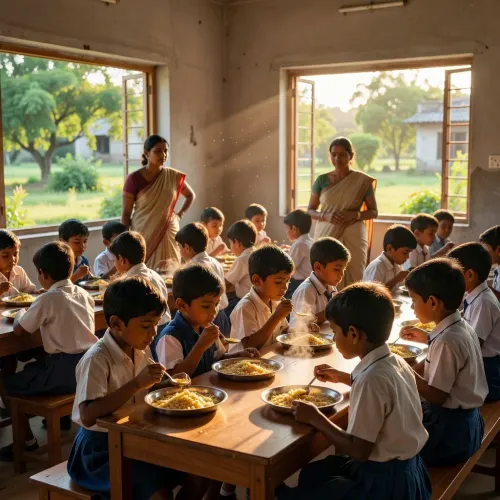
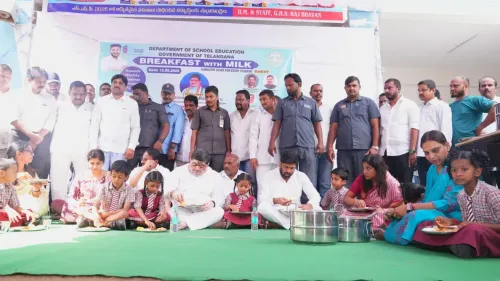
The cabinet extended the midday meal scheme to include breakfast and to cover 1.5 lakh teachers, lecturers, and staff in government schools and junior colleges across Telangana.
Telangana will approach the Supreme Court of India to challenge the Union government's replacement of MGNREGA with the VBG Ramji scheme, even as it implements the scheme to protect labourers' wages in the interim.
The state assembly had earlier passed a unanimous resolution opposing the VBG Ramji scheme on grounds that it curtails the rights of the rural poor.
6,278 posts for doctors and medical staff were sanctioned across TIMS hospitals at Sanathnagar, LB Nagar, Alwal, and Warangal, to be developed on the NIMS model.
The cabinet granted administrative approval and Rs 7,345 crore for Phase-1 of the Musi Riverfront Development Project covering a 21-km stretch up to Gandhi Sarovar, with tenders to be floated soon.
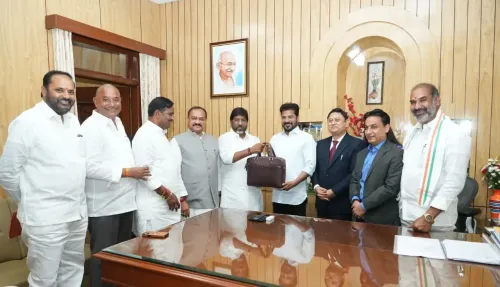
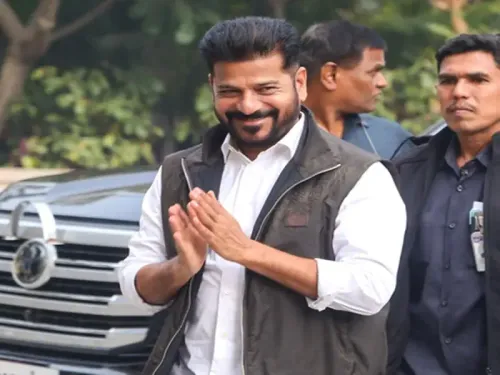
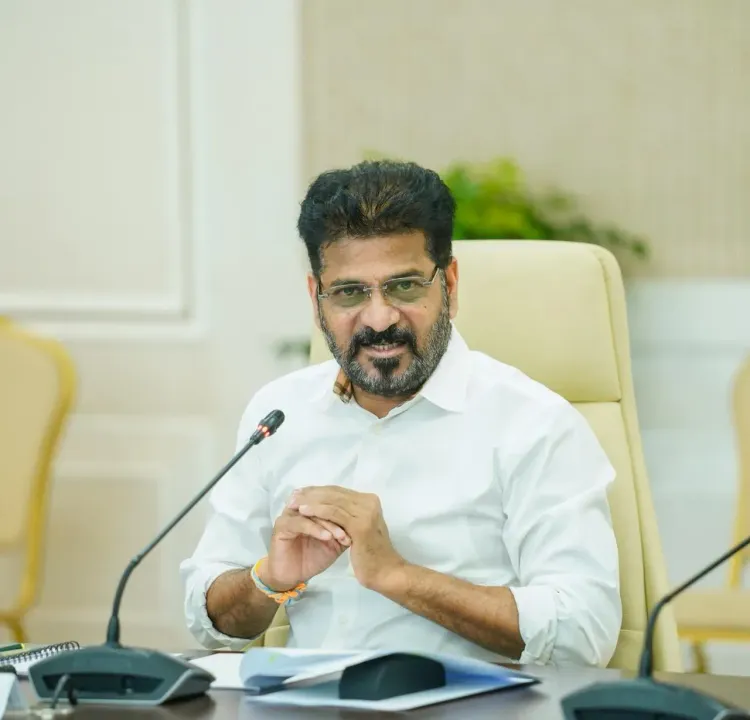
The Chief Minister's Office of Telangana announced on 2 July 2026 that a cabinet meeting chaired by Chief Minister Revanth Reddy at the Dr B R Ambedkar State Secretariat, Hyderabad, resolved a series of major decisions spanning school nutrition, rural employment, super-specialty healthcare, and urban infrastructure.
Context
The cabinet resolved to extend the existing midday meal programme to include breakfast, and to cover not just students but also 1.5 lakh teachers, lecturers, and support staff across government schools and junior colleges statewide. The decision broadens the nutritional net significantly beyond the student population that has historically been the sole beneficiary of school meal schemes in Telangana.
Ministers Ponguleti, Seethakka, and Adluri briefed the media on the cabinet's resolutions after the meeting concluded.
Policy Backdrop
A central flashpoint at the meeting was the Union government's decision to replace the Mahatma Gandhi National Rural Employment Guarantee Act (MGNREGA) — introduced in 2005-06 by the UPA government to guarantee rural wage employment — with a new scheme referred to as the VBG Ramji scheme. The Telangana assembly had earlier passed a unanimous resolution opposing the replacement, arguing it erodes the rights of the rural poor.
Despite objections from multiple states, the Union government has proceeded with the new scheme. A cabinet sub-committee headed by Minister Uttam Kumar Reddy had examined the implications, and its report was discussed at length during the meeting. The cabinet concluded that, while it fundamentally opposes the change, it would implement the scheme in the state to prevent immediate wage losses to labourers — even as it simultaneously decided to approach the Supreme Court of India to challenge the central government's action.
State governments, particularly those led by the Congress, have repeatedly challenged central redesigns of core welfare schemes on grounds of reduced entitlements, and the Telangana cabinet's dual track — compliance plus litigation — reflects a pattern seen across Congress-ruled states in disputes with the Union government over federal welfare architecture.
Stakeholders and Impact
The expansion of the breakfast-and-lunch programme to 1.5 lakh school and college staff is the first such extension in the state's history and will have immediate implications for the state's food-services budget and supply-chain logistics. Students across government institutions will also benefit from the added breakfast component.
On healthcare, the cabinet approved 6,278 posts for doctors and medical staff across four TIMS (Telangana Institute of Medical Sciences) super-specialty hospitals — at Sanathnagar, LB Nagar, Alwal, and Warangal. These facilities are to be developed on the model of NIMS (Nizam's Institute of Medical Sciences), Hyderabad's premier super-specialty benchmark. Medical services at these hospitals will be funded through Letters of Credit (LOCs) from the Chief Minister's Relief Fund.
For Hyderabad's urban residents, the cabinet granted administrative approval for Phase-1 of the Musi Riverfront Development Project, covering a 21-km stretch up to Gandhi Sarovar. The cabinet approved Rs 7,345 crore for this phase, with tenders to be floated shortly.
What's Next
The most consequential near-term development will be the filing of Telangana's Supreme Court petition against the VBG Ramji scheme, which could draw in other opposition-ruled states and set up a significant federal confrontation over rural employment policy. Simultaneously, the government will need to operationalise the staff-meal programme and begin recruitment against the 6,278 TIMS posts. The Musi Riverfront tender process, once launched, will mark the formal financial commencement of one of Hyderabad's largest urban-renewal undertakings.
Point of View
New hospital jobs — while simultaneously building a legal and political case against the Union government's restructuring of MGNREGA. The Supreme Court route on the VBG Ramji scheme could become a rallying point for Congress-ruled states, echoing earlier federal disputes over centrally sponsored scheme redesigns. The Rs 7,345 crore Musi Riverfront sanction, meanwhile, positions Hyderabad's urban renewal as a centrepiece of the government's infrastructure narrative heading into the second half of its term.
NationPress
1 Oct 2026
Frequently Asked Questions
What did the Telangana cabinet decide about midday meals on 2 July 2026?
The cabinet decided to extend the midday meal programme to include breakfast, and to cover not just students but also 1.5 lakh teachers, lecturers, and support staff in government schools and junior colleges across the state.
Why is Telangana going to the Supreme Court over the rural employment scheme?
Telangana plans to petition the Supreme Court because the Union government replaced MGNREGA with a new scheme called VBG Ramji, ignoring objections from states including a unanimous resolution passed by the Telangana state assembly, which argued the new scheme harms the rights of rural poor.
How many posts were approved for TIMS hospitals in Telangana?
The cabinet sanctioned 6,278 posts for doctors and medical staff across four TIMS super-specialty hospitals at Sanathnagar, LB Nagar, Alwal, and Warangal.
How much money has been approved for the Musi Riverfront project in Hyderabad?
The cabinet approved Rs 7,345 crore for Phase-1 of the Musi Riverfront Development Project, which covers a 21-km stretch up to Gandhi Sarovar, with tenders to be floated shortly.
What is the VBG Ramji scheme and how does it differ from MGNREGA?
The VBG Ramji scheme is the Union government's replacement for MGNREGA, the rural employment guarantee programme introduced in 2005-06 by the UPA government. Telangana and several other states have opposed the replacement, arguing it reduces entitlements and harms rural labourers.