Telangana CM Revanth Reddy Meets Madiga Employees Body on SC Quota Orders
Synopsis
The Madiga Employees Coordination Committee met CM Revanth Reddy at his Jubilee Hills residence on 7 November 2026, thanking him for government orders implementing SC reservation sub-categorisation in employee promotions — a demand rooted in the 1994 Madiga Dandora movement and backed by a landmark 2024 Supreme Court ruling.
Key Takeaways
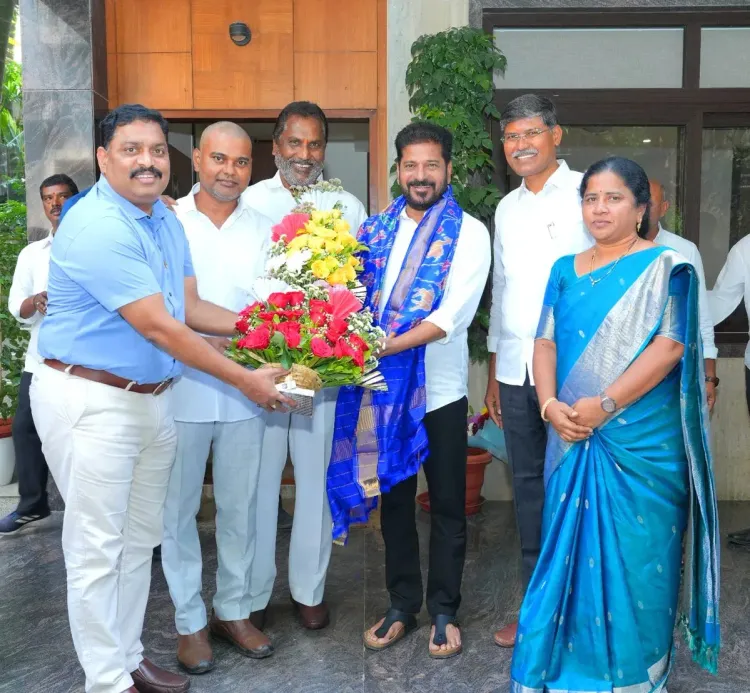
Revanth Reddy met the Madiga Employees Coordination Committee at his Jubilee Hills residence on 7 November 2026 .
The Telangana government has issued orders implementing the SC Reservation Categorization Act specifically for employee promotions .
The delegation was led by Minister Adluri Laxman Kumar and included senior academics from Osmania University and Chakali Ailamma University .
The Madiga community's demand for SC sub-categorisation dates to the Madiga Dandora movement of 1994 .
The move aligns with the Supreme Court's 2024 ruling permitting states to sub-classify Scheduled Castes for reservation purposes.
Key questions remain around extension to educational admissions and departmental rollout across Telangana.
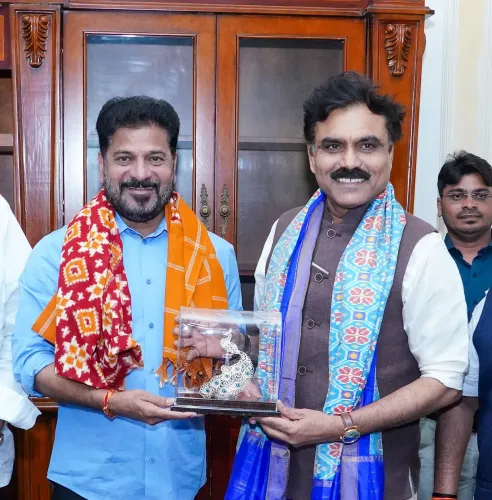
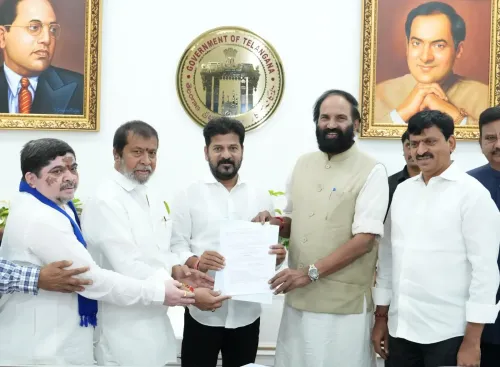
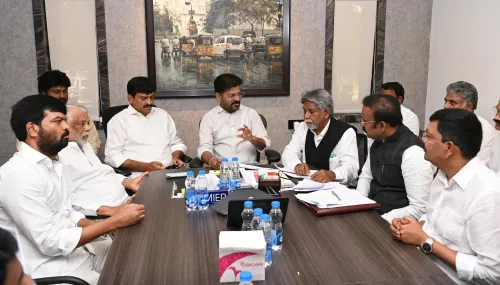
A delegation that has waited decades for this moment walked into Chief Minister A. Revanth Reddy's Jubilee Hills residence on Saturday, 7 November 2026 — and left with a reason to celebrate. The Madiga Employees Coordination Committee, led by Minister Adluri Laxman Kumar, formally thanked the Chief Minister for issuing government orders implementing the SC Reservation Categorization Act in employee promotions, a move that directly addresses one of Telangana's longest-running intra-community equity disputes.
Thirty Years in the Making: The Madiga Dandora Demand
The roots of this moment stretch back to 1994, when the Madiga Dandora movement first raised its voice demanding sub-categorisation of Scheduled Caste reservations. The argument was precise: within the broad SC umbrella, certain sub-castes — particularly the Mala community — had historically captured a disproportionate share of government jobs and educational seats, leaving Madiga families with little practical benefit from reservations on paper. For three decades, that grievance simmered through agitations, petitions, and political negotiations without a definitive resolution.
The legal landscape shifted decisively in 2024, when the Supreme Court of India ruled that states have the constitutional authority to sub-classify Scheduled Castes for the purpose of reservations. That verdict handed state governments both the permission and the political pressure to act. Telangana's issuance of orders applying that categorisation specifically to employee promotions is now the concrete administrative step that the Madiga community had been demanding.
Who Was in the Room at Jubilee Hills
The delegation that met the Chief Minister was not symbolic. Among those present were Professor C. Kashim, Principal of the Arts College at Osmania University — one of Hyderabad's most storied institutions and a historic site of Dalit student mobilisation — and Professor Mallesh, Registrar of Chakali Ailamma University, named after the iconic Dalit woman activist whose defiance during the Telangana armed struggle became a rallying symbol for the community. Their presence signals that the push for equitable SC reservation benefits runs deep into Telangana's academic and institutional fabric, not just its political corridors.
Minister Adluri Laxman Kumar led the group, giving the meeting an official government imprimatur and underscoring that the Congress administration is positioning this implementation as a governance priority, not merely a political gesture.
What the Orders Mean for SC Employees in Telangana
By applying the categorisation framework specifically to promotions, the government is targeting the career-progression pipeline — the stage at which intra-SC disparity tends to compound over time. An SC employee who enters service may do so under a broad quota, but promotion rosters governed by sub-categorisation rules would now ensure that Madiga employees are not bypassed in favour of better-represented SC sub-groups at senior levels.
The watch now turns to implementation breadth: whether the orders will extend beyond promotions to educational admissions, how quickly individual departments roll out compliance, and whether any legal challenge emerges from communities that may feel adversely affected by the redistribution of quota benefits.
For a movement born in 1994, the government orders represent a structural shift — but the real test will be in the promotion lists posted on departmental notice boards across Telangana.
Point of View
Something most states have moved cautiously on. For the Congress government under Revanth Reddy, it serves a dual purpose: delivering on a welfare promise to a historically mobilised Madiga constituency while demonstrating governance credibility ahead of any future electoral cycle. The optics of senior university officials — not just political workers — joining the delegation suggest the demand has institutional depth that makes it harder to reverse. The harder test, however, is departmental compliance: sub-categorisation on paper means little without enforcement in actual promotion rosters.
NationPress
7 Nov 2026
Frequently Asked Questions
What is SC reservation categorisation in Telangana?
SC reservation categorisation refers to the sub-division of Scheduled Caste reservations among different SC sub-groups — such as Madiga and Mala — to ensure more equitable distribution of quota benefits in government jobs and promotions, rather than allowing one sub-caste to dominate the benefits.
What is the Madiga Dandora movement?
The Madiga Dandora movement was launched in 1994 in undivided Andhra Pradesh, demanding sub-categorisation of SC reservations so that the Madiga community, which felt marginalised within the broader SC quota, could receive a fairer share of government employment and educational opportunities.
Did the Supreme Court allow SC sub-categorisation?
Yes. The Supreme Court of India ruled in 2024 that states have the constitutional authority to sub-classify Scheduled Castes within reservations, clearing the legal path for state governments like Telangana to issue implementing orders.
What did the Telangana government order on SC reservations?
The Telangana government issued orders implementing the SC Reservation Categorization Act specifically in the context of employee promotions , ensuring that sub-categorisation applies at the career-advancement stage in government service.
Who is Chakali Ailamma and why is a university named after her?
Chakali Ailamma was a Dalit woman from the washerwoman community who became a symbol of resistance during the Telangana armed struggle in the mid-20th century. A university in Telangana bears her name in recognition of her role as an icon of Dalit and women's rights in the region.