Telangana Rohit Vemula Bill draft in 3 months to fight caste bias in universities
Synopsis
A decade after Rohit Vemula's death sparked a national reckoning on campus caste discrimination, Telangana is finally moving toward a law in his name. Deputy CM Vikramarka has set a firm three-month deadline for a comprehensive draft — backed by NALSAR's legal expertise and a wide stakeholder consultation — to fulfil a Congress poll promise that Rahul Gandhi personally championed.
Key Takeaways
Telangana Deputy CM Mallu Bhatti Vikramarka directed the drafting of the Rohit Vemula Telangana Bill, 2026 within three months on 16 October 2026 .
The bill aims to prevent identity-based caste discrimination in higher educational institutions across Telangana.
The Scheduled Castes Development Department (SCDD) will lead the drafting, with mandatory inclusion of the Law Department and possible participation from the UGC , Education Department , and Home Department .
NALSAR University of Law , Hyderabad, will provide legal and technical expertise for the bill's preparation.
The legislation fulfils a Congress promise made in the 2023 Telangana Assembly elections , backed publicly by Rahul Gandhi .
Rohit Vemula , a Dalit PhD scholar, died by suicide on 17 January 2016 at the University of Hyderabad , alleging caste discrimination — an event that triggered nationwide campus protests.
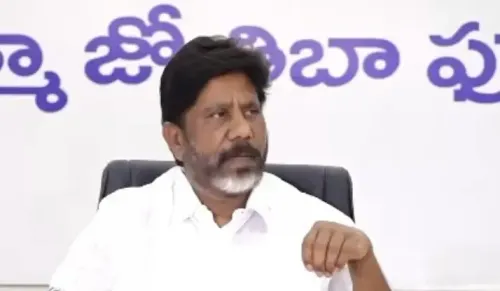
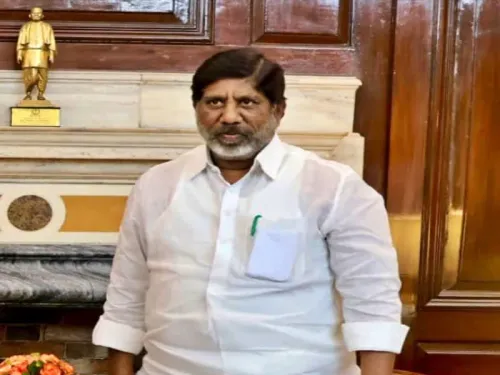
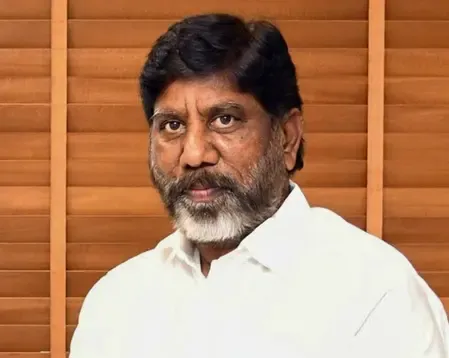
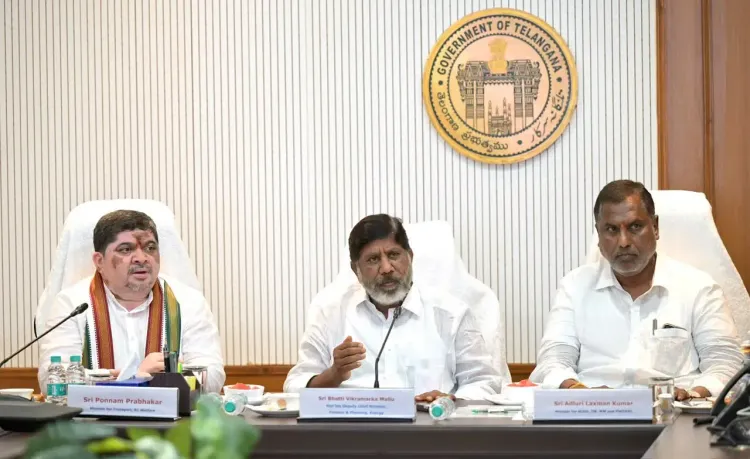
Telangana's Deputy Chief Minister Mallu Bhatti Vikramarka on Friday, 16 October 2026, directed officials to draft the Rohit Vemula Telangana (Prevention of Identity Based Discrimination in Higher Education) Bill, 2026 within three months, targeting caste-based discrimination in universities and higher educational institutions across the state. The directive came during the second meeting of the Senior Civil Servants Committee on the proposed legislation, held at the Telangana Secretariat in Hyderabad.
What the Bill Proposes
The proposed legislation aims to create a legally enforceable framework protecting students in universities from discrimination based on caste or social background. Deputy Chief Minister Vikramarka stressed that every stage — from committee formation to stakeholder consultations — must be completed within the stipulated timeline, with no room for delays.
He directed that the Scheduled Castes Development Department (SCDD) lead the drafting process, with mandatory participation from the Law Department. He also called for the involvement of the Education Department, the Home Department, and the University Grants Commission (UGC).
NALSAR's Role and Stakeholder Consultations
The committee meeting resolved to draw on the legal and technical expertise of NALSAR University of Law, Hyderabad, for the bill's drafting. A broad consultation process is also envisaged, encompassing students, faculty, legal experts, civil society organisations, and education sector specialists.
Vikramarka emphasised that the draft must account for ground-level issues faced by students, documented instances of discrimination within institutions, and the practical challenges of enforcing such a law once enacted.
Who Attended the Meeting
The second committee meeting was attended by Ministers Ponnam Prabhakar and Adluri Laxman Kumar, Special Chief Secretary Sabyasachi Ghosh, senior IPS officer Devendra Singh Chauhan, IAS officers Yogita Rana and Vijayendra Boyi, and advocate Disha Wadekar, among others.
The Rohit Vemula Case: Background
Rohit Vemula, a 26-year-old Dalit research scholar at the University of Hyderabad, died by suicide on 17 January 2016 after alleging caste discrimination by university authorities, who had suspended his PhD and cancelled his stipend following an alleged dispute with members of the Akhil Bharatiya Vidyarthi Parishad (ABVP). His death triggered widespread campus protests across India over institutional caste discrimination.
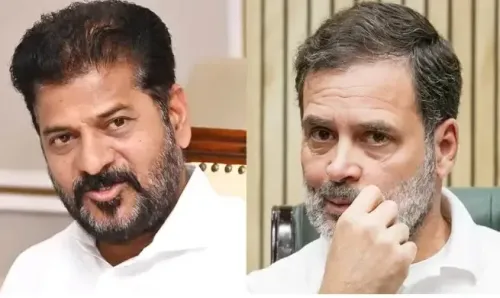
The Indian National Congress (Congress) had promised the Rohit Vemula Act in its 2023 Telangana Assembly election manifesto. Leader of Opposition in the Lok Sabha, Rahul Gandhi, had previously urged the Telangana government to pass the legislation, having earlier pledged during a visit to Hyderabad University that the Congress, if voted to power, would enact the law.
What Happens Next
The SCDD is expected to begin stakeholder outreach immediately, with a full draft bill to be submitted to the Senior Civil Servants Committee within three months. The Telangana government's ability to deliver on this timeline will be closely watched, given the bill's political significance and the decade-long demand for legislative action since Vemula's death.
Point of View
Once drafted, will include enforceable penalties and an independent redressal mechanism, or remain an aspirational framework. The UGC already has anti-discrimination guidelines that institutions routinely circumvent; without a credible enforcement clause and institutional accountability, a state-level law risks the same fate. NALSAR's involvement is encouraging for legal rigour, but the consultation list — students, civil society, faculty — will only matter if dissenting voices from affected communities shape the final text rather than validate a predetermined draft.
NationPress
16 Oct 2026
Frequently Asked Questions
What is the Rohit Vemula Telangana Bill, 2026?
It is a proposed state legislation formally titled the 'Rohit Vemula Telangana (Prevention of Identity Based Discrimination in Higher Education) Bill, 2026,' aimed at protecting students in Telangana's universities from caste-based and social identity-based discrimination. The Telangana government directed officials on 16 October 2026 to prepare a draft within three months.
Why is the bill named after Rohit Vemula?
Rohit Vemula was a 26-year-old Dalit research scholar at the University of Hyderabad who died by suicide on 17 January 2016 after alleging caste discrimination — including suspension of his PhD and cancellation of his stipend. His death sparked nationwide campus protests and became a landmark moment in the debate over institutional caste discrimination in India.
Who is leading the drafting of the bill?
The Scheduled Castes Development Department (SCDD) has been designated to lead the drafting process. The Law Department will be mandatorily included, and involvement from the Education Department, Home Department, and UGC is also being explored. NALSAR University of Law will provide legal and technical expertise.
When will the Rohit Vemula Bill be ready?
Deputy Chief Minister Mallu Bhatti Vikramarka has directed that a comprehensive draft be submitted to the Senior Civil Servants Committee within three months of 16 October 2026. He emphasised there will be no room for delays at any stage of the process.
What is the political background of this bill?
The Congress party included the Rohit Vemula Act as a promise in its 2023 Telangana Assembly election manifesto, and won the state election that year. Leader of Opposition in the Lok Sabha, Rahul Gandhi, had personally urged the Telangana government to enact the legislation and had earlier promised it during a visit to Hyderabad University.