NEET protest: Police lathi-charge at Jantar Mantar as 'Chalo Sansad' march turns tense
Synopsis
Student protesters tried to march on Parliament on 20 July, demanding Education Minister Dharmendra Pradhan's resignation over the NEET paper leak — and Delhi Police responded with barricades, a riot control vehicle, signal jammers, and a reported lathi charge. With the protest now past a month, the confrontation at Jantar Mantar marks a sharp escalation in one of India's most charged student movements in recent years.
Key Takeaways
Clashes broke out at Jantar Mantar on 20 July as students attempted a 'Chalo Sansad' march toward Parliament.
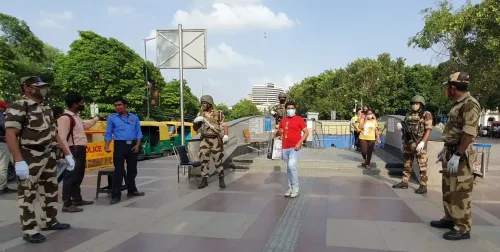
Delhi Police deployed multiple barricade layers, a riot control vehicle, and signal jammers to contain the demonstration.
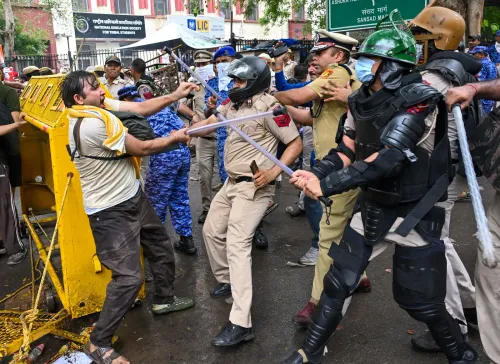
A lathi charge was reported during confrontations between police and protesters.
Patel Chowk Metro Station was reportedly closed as a precautionary measure.
Protesters have been agitating for over a month , demanding the resignation of Education Minister Dharmendra Pradhan over the alleged NEET paper leak .
Mobile phone connectivity was reportedly disrupted near the venue due to signal jammers.
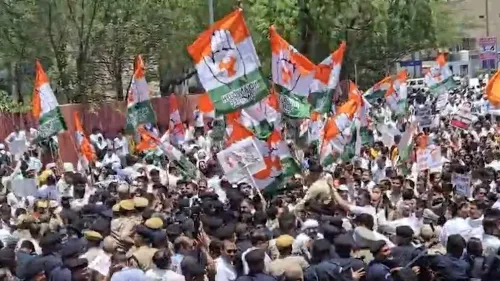
Clashes broke out between Delhi Police and student demonstrators at Jantar Mantar on Monday, 20 July as hundreds of protesters attempted to launch a 'Chalo Sansad' march, demanding the resignation of Union Education Minister Dharmendra Pradhan over the alleged NEET paper leak. Security forces deployed multiple barricade layers across the New Delhi district, and a lathi charge was reported when demonstrators tried to push past the cordons.
How the Confrontation Unfolded
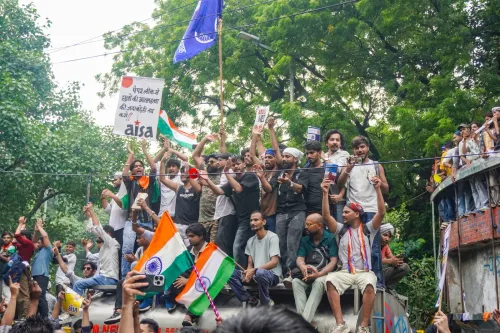
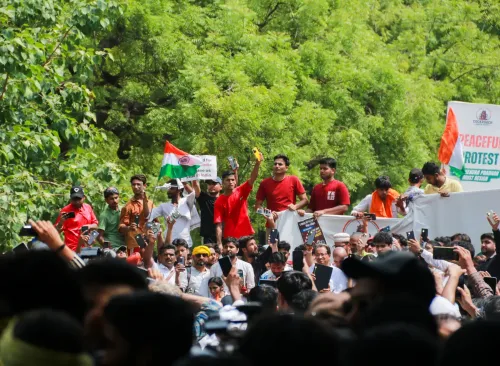
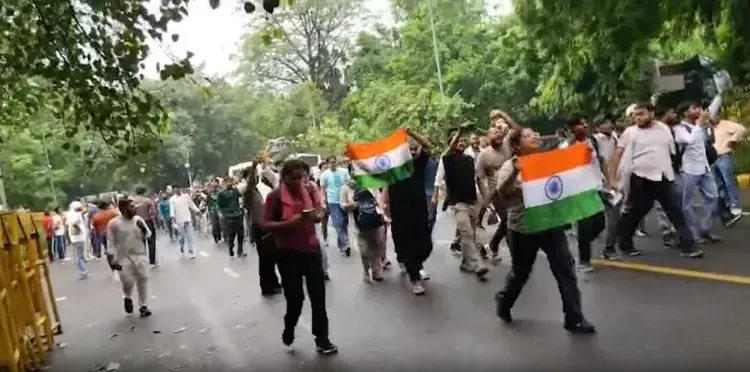
Protesters began converging at Jantar Mantar after assembling near Mandi House Metro Station, raising slogans against the Centre as they moved toward the protest venue. Visuals from the site showed hundreds of students carrying flags and chanting slogans, with many repeatedly attempting to cross the security barricades.
Police personnel responded by pushing demonstrators back each time they surged forward. A riot control vehicle entered the protest site early Monday, and authorities imposed movement restrictions across the surrounding area ahead of the planned march toward Parliament.
Security Measures Deployed
Delhi Police set up multiple layers of barricading across the New Delhi district to contain the march. Patel Chowk Metro Station, located near Jantar Mantar, was reportedly shut as a precautionary measure. Authorities also deployed signal jammers in and around the protest zone; several protesters claimed that mobile phone connectivity was disrupted near the venue.
The Core Demand: NEET Accountability
The protest at Jantar Mantar has been ongoing for over a month, with its central demand being the resignation of Education Minister Dharmendra Pradhan over allegations of a paper leak in the NEET undergraduate entrance examination. Demonstrators have accused the government of failing to ensure transparency in the examination process and have called for accountability from officials responsible for the alleged irregularities.
This comes amid a broader national controversy over the NEET exam, which has drawn scrutiny from students, opposition parties, and civil society groups across the country. The 'Chalo Sansad' march was framed as an escalation — a direct push toward Parliament to force political attention on the issue.
What Happens Next
The situation in central Delhi remained tense through Monday, with police maintaining a strict vigil as demonstrators continued their agitation. No official statement on the lathi charge had been issued by Delhi Police at the time of reporting. With the protest entering its second month and student participation continuing to grow, pressure on the government over the NEET controversy is unlikely to ease in the near term.
Point of View
Designed to force the issue into Parliament's line of sight. With the protest now past a month and participation growing, the Centre's silence on accountability is increasingly difficult to sustain — and the images from Jantar Mantar will not help that case.
NationPress
21 Jul 2026
Frequently Asked Questions
What is the NEET paper leak protest at Jantar Mantar about?
Students and demonstrators have been protesting at Jantar Mantar for over a month, demanding the resignation of Union Education Minister Dharmendra Pradhan over allegations of a paper leak in the NEET undergraduate entrance examination. They accuse the government of failing to ensure transparency and accountability in the exam process.
What happened at Jantar Mantar on 20 July?
Hundreds of protesters attempted to march toward Parliament under the 'Chalo Sansad' banner on 20 July. Delhi Police deployed barricades, a riot control vehicle, and signal jammers; a lathi charge was also reported when demonstrators tried to cross the security cordons.
Was the lathi charge confirmed by Delhi Police?
As of the time of reporting, Delhi Police had not issued an official statement confirming the lathi charge. The incident was reported from the protest site by multiple sources present at the venue.
Why was Patel Chowk Metro Station closed?
Patel Chowk Metro Station, located near Jantar Mantar, was reportedly shut as a precautionary measure by authorities amid the large-scale demonstration and the planned march toward Parliament.
Who are the protesters demanding accountability from?
The protesters are primarily demanding the resignation of Union Education Minister Dharmendra Pradhan, holding him responsible for the alleged irregularities in the NEET undergraduate entrance examination. They have also called for broader accountability from government officials involved in the examination process.