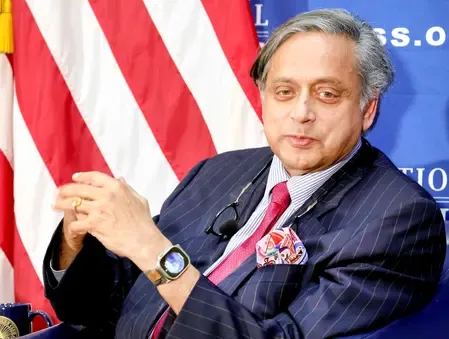
Tharoor Pens Two-Part Analysis on Operation Toofan

Synopsis
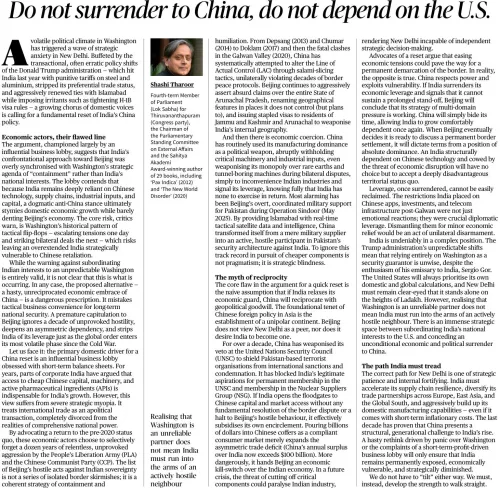
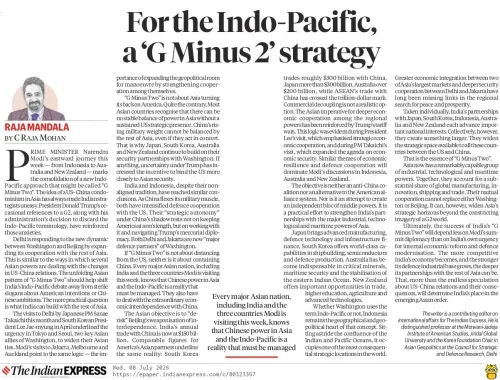
Congress MP Dr. Shashi Tharoor has published the first of a two-part column on Operation Toofan in Mathrubhumi English, bringing his defence and foreign policy expertise to bear on a significant national security development. The second instalment is awaited.
Key Takeaways
Shashi Tharoor published the first part of a two-part column on Operation Toofan on June 5, 2026 .
The column appears in Mathrubhumi English , the English platform of the Kozhikode-based Mathrubhumi media group.
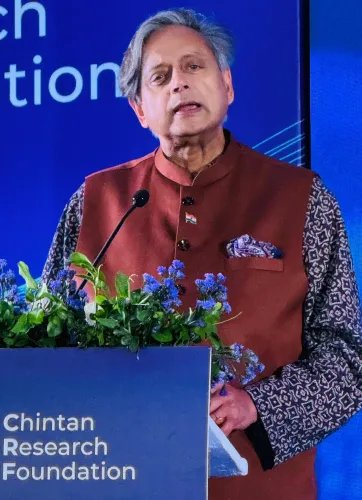
Tharoor is a Lok Sabha MP from Thiruvananthapuram , former Union Minister, and former UN Under-Secretary-General.
The two-part format signals a detailed, structured analytical treatment of the operation and its implications.
The second part of the column is pending publication and is expected to complete the full argument.
Tharoor's commentary is expected to inform the Congress party's public posture on the defence matter.
Congress MP Dr. Shashi Tharoor published the first instalment of a two-part analytical column on #OperationToofan in Mathrubhumi English on Friday, June 5, 2026, weighing in on what he describes as a significant defence development from a policy perspective.
Context
Tharoor, who represents Thiruvananthapuram in the Lok Sabha and previously served as a Union Minister and UN Under-Secretary-General, has a long record of contributing detailed analytical pieces to mainstream and regional publications on matters of national importance. His decision to frame this as a two-part series signals the depth of examination he intends to bring to the subject. The column is his first public written commentary on Operation Toofan.
By choosing Mathrubhumi English — the English-language platform of the Kozhikode-headquartered Mathrubhumi group, one of Kerala's most widely read media organisations — Tharoor is addressing both a Kerala-rooted readership and a broader national audience that follows the outlet's opinion section.
Policy Backdrop
Indian parliamentarians across party lines have increasingly used regional and national media columns to shape public discourse on security and defence matters, particularly in the aftermath of significant military operations or policy decisions. Two-part analytical formats are a favoured vehicle for detailed examination, allowing writers to establish factual groundwork in the first part before moving to broader implications in the second.
Tharoor's contributions to public debate on defence and foreign policy have historically reflected the Indian National Congress party's perspective, often raising questions about strategic doctrine, civilian oversight, and diplomatic consequences. His background at the United Nations lends his commentary on international security matters a distinct institutional weight.
Stakeholders and Impact
The column is likely to be closely read by Kerala's politically engaged audience, defence analysts, and opposition circles seeking a structured critique or assessment of the operation. Given Tharoor's national profile, the piece is also expected to circulate beyond the state and inform commentary in broader policy forums.
Supporters of the operation may view the column as an opposition framing exercise, while those seeking independent analytical perspectives will likely engage with the substance of his two-part argument. The second instalment, when published, will complete the analytical arc Tharoor has begun.
What's Next
Readers and analysts will be watching for the publication of the second part of Tharoor's column, which is expected to deepen the analysis introduced in this opening instalment. Any official response from the government, the defence establishment, or rival political voices would add a further layer to the ongoing public debate around Operation Toofan. Tharoor's two-part framework suggests the full argument — and its political implications — will only become clear once both pieces are in the public domain.
Point of View
Not merely a reactive opposition. By anchoring the piece in Mathrubhumi English, he is simultaneously speaking to Kerala's politically sophisticated electorate and to a national audience that tracks serious policy commentary. The two-part format is a classic move: the first instalment builds credibility and context, while the second delivers the political or policy punch. How the government and defence establishment respond — or choose not to — will be as telling as the column itself.
NationPress
21 Oct 2026
Frequently Asked Questions
What is Shashi Tharoor's column about?
Dr. Shashi Tharoor has written a two-part analytical column on Operation Toofan, with the first part published on June 5, 2026, in Mathrubhumi English.
Where was Tharoor's Operation Toofan article published?
The column was published in Mathrubhumi English, the English-language platform of the Mathrubhumi media group headquartered in Kozhikode, Kerala.
Who is Shashi Tharoor?
Dr. Shashi Tharoor is the Congress MP from Thiruvananthapuram, a former Union Minister, and a former UN Under-Secretary-General known for his writings on politics, history, and foreign policy.
When will the second part of Tharoor's Operation Toofan column be published?
No date has been announced yet; Tharoor described the June 5 piece as the 'first of a two-part analysis,' with the second instalment expected to follow.
What is Operation Toofan?
Operation Toofan is a defence-related development that Tharoor is analysing in his column; further details are expected to emerge from his two-part series and official communications.