Tharoor presents PadmaPrabha Gowder Prize to novelist Rajshree in Wayanad
Synopsis
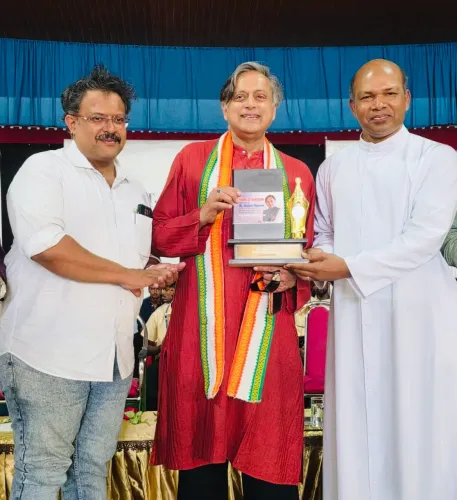
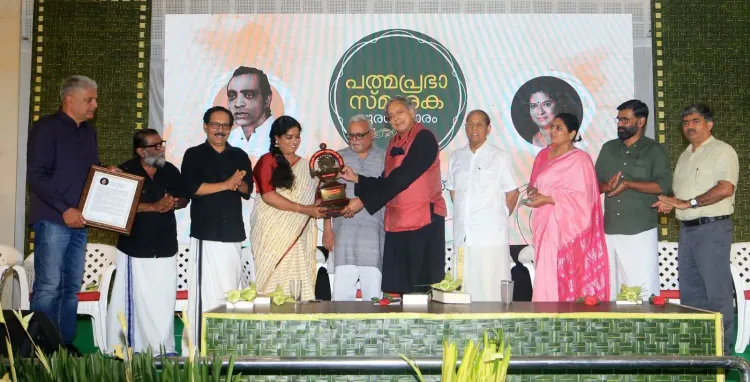
Congress MP Dr. Shashi Tharoor presented the 30-year-old PadmaPrabha Gowder literary Prize to novelist Rajshree in Kalpetta, Wayanad, on 26 September 2026. The ceremony drew a standing-room-only crowd of over 2,000, spotlighting Kerala's enduring love for Malayalam literature.
Key Takeaways
Shashi Tharoor presented the PadmaPrabha Gowder literary Prize to Malayalam novelist Rajshree in Kalpetta, Wayanad on 26 September 2026 .
The prize was established in 1996 and has been recognising outstanding Malayalam writers for 30 years .
Two past recipients of the prize have gone on to win the Jnanpith Award , India's highest literary honour.
The ceremony drew a standing-room-only audience at a 2,000-seat auditorium in rural Wayanad.
The event underscored Kerala's sustained engagement with literature even in non-urban districts.
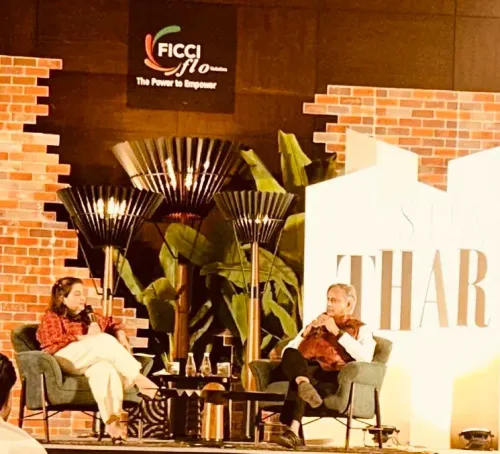
A 2,000-seat auditorium in Kalpetta, Wayanad ran out of room — and that, Congress MP Dr. Shashi Tharoor noted, said everything. On Saturday, 26 September 2026, Tharoor presented the PadmaPrabha Gowder literary Prize to Malayalam novelist Rajshree, at a ceremony that drew a standing-room-only crowd to this hill-district town in northern Kerala.
Three decades of recognising Malayalam excellence
The PadmaPrabha Gowder literary Prize has been honouring outstanding Malayalam writers since 1996 — a run of 30 years that has made it one of the more consequential regional literary recognitions in India. Its stature rests on a compelling data point: two of its past recipients have gone on to win the Jnanpith Award, the country's highest literary honour. For Malayalam literature, a language that has produced a disproportionate share of Jnanpith laureates, that pipeline matters.
Tharoor described the prize as 'prestigious', and the audience gave the word weight. A fully packed, standing-room-only gathering of 2,000-plus people in a rural part of Kerala — for a literary prize ceremony — is the kind of attendance figures that metropolitan cultural festivals quietly envy.
Rajshree and Kerala's rural reading culture
This year's laureate, novelist Rajshree, was recognised for her contributions to Malayalam fiction. The ceremony in Kalpetta — the administrative headquarters of Wayanad district — placed the award squarely outside Kerala's urban literary hubs, and the crowd turned up anyway. Tharoor, a published author himself and an MP with a long record of championing India's literary heritage, called it clear evidence that 'literature and the love of books are clearly alive and well in this rural part of Kerala.'
Kerala consistently ranks among India's most literate states, but literacy statistics rarely capture what a hall full of readers actually looks like. Saturday's auditorium did.
Malayalam literature's Jnanpith thread
Malayalam has produced several Jnanpith winners over the decades, a record that reflects the language's rich modern literary tradition. The PadmaPrabha Gowder Prize functioning as an early marker for two of those eventual winners gives the award a predictive credibility that sustains its prestige. Whether this year's laureate Rajshree adds a third name to that lineage will be one thread worth watching in the coming years.
For now, a novelist walked off a Wayanad stage with a prize backed by three decades of literary history — and a full house to send her on her way.
Point of View
Who straddles the worlds of public service and letters, lending his presence to such events reinforces a consistent personal brand built around India's intellectual heritage. The packed Kalpetta auditorium also quietly challenges the assumption that literary culture in India is retreating — at least in Kerala, the evidence points the other way.
NationPress
26 Sept 2026
Frequently Asked Questions
What is the PadmaPrabha Gowder literary Prize?
The PadmaPrabha Gowder literary Prize is a Malayalam literary award established in 1996 to recognise outstanding contributions to Malayalam literature. Two of its past recipients have gone on to win the Jnanpith Award, India's highest literary honour.
Who won the PadmaPrabha Gowder Prize in 2026?
Malayalam novelist Rajshree won the 2026 PadmaPrabha Gowder literary Prize , presented to her by Congress MP Dr. Shashi Tharoor at a ceremony in Kalpetta, Wayanad.
Why was the PadmaPrabha Gowder Prize ceremony held in Wayanad?
The 2026 ceremony was held in Kalpetta , the administrative headquarters of Wayanad district in northern Kerala. The event drew a standing-room-only crowd at a 2,000-seat auditorium, reflecting strong literary enthusiasm in the region.
What is the connection between the PadmaPrabha Gowder Prize and the Jnanpith Award?
Two past recipients of the PadmaPrabha Gowder Prize have subsequently won the Jnanpith Award , giving the regional prize a reputation as an early indicator of the finest voices in Malayalam literature.
What did Shashi Tharoor say about the literary event in Wayanad?
Tharoor said he was 'impressed to see a standing-room-only audience thronging a 2,000-seat auditorium' and described the turnout as clear evidence that 'literature and the love of books are clearly alive and well' in rural Kerala.