Tharoor Highlights Library Museum and Archive of Memory
Synopsis
Congress MP Dr. Shashi Tharoor on 26 July 2026 spotlighted a Library Museum for its historical photographs and an Archive of Memory that preserves personal objects of ordinary citizens, drawing fresh attention to community heritage institutions in India.
Key Takeaways
Shashi Tharoor highlighted two institutions — a Library Museum and an Archive of Memory — on 26 July 2026 .
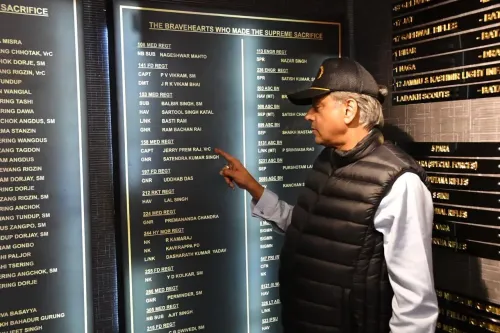
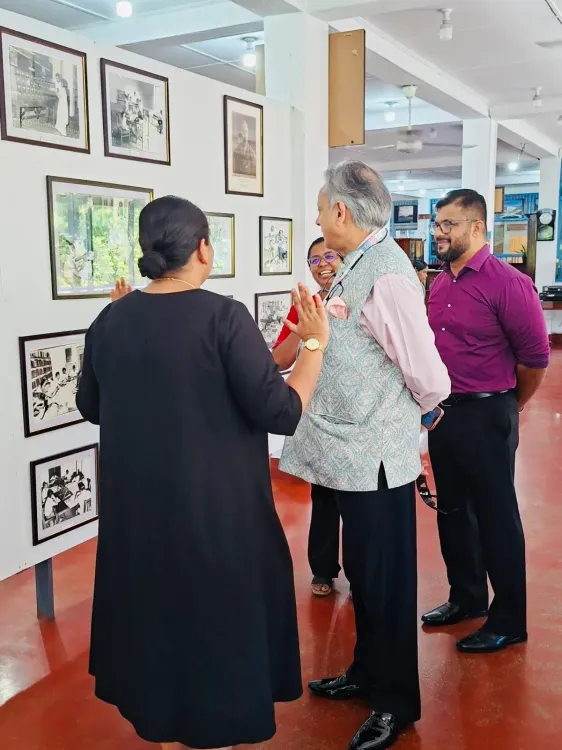
The Library Museum was praised for its 'amazing historical photographs.' The Archive of Memory was described as 'astonishing' for preserving objects belonging to ordinary citizens and the stories of their significance.
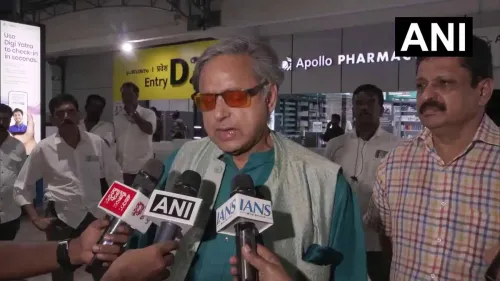
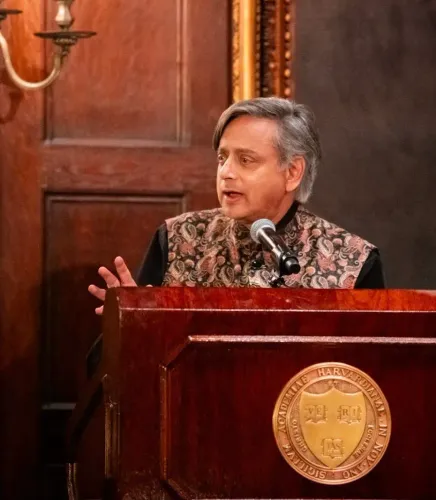
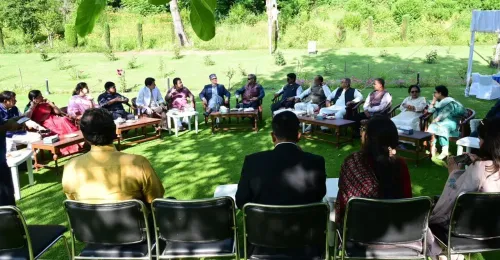
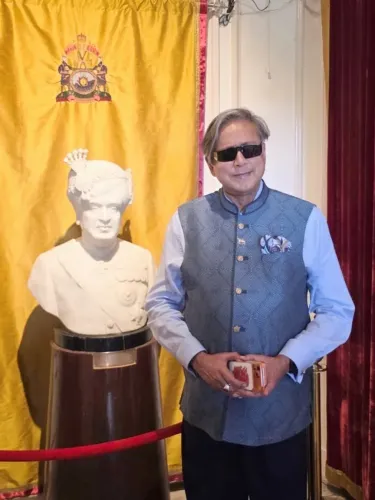
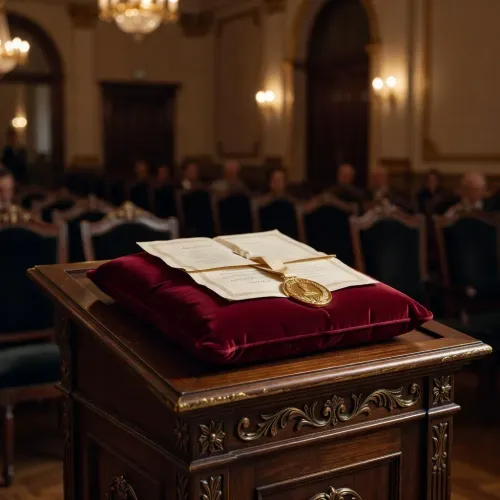
Tharoor's post was accompanied by four images from the institutions.
India's archival tradition dates to 1891 with the founding of the National Archives of India .
The post may fuel parliamentary debate on museum and archive funding in upcoming sessions.
Congress MP Dr. Shashi Tharoor on Sunday, 26 July 2026, drew public attention to a Library Museum and an Archive of Memory, calling out their significance for heritage preservation and collective remembrance. Tharoor singled out the institutions for their 'amazing historical photographs' and for preserving objects belonging to ordinary citizens alongside the stories of their significance.
Context
In his post, Tharoor described the Library Museum as holding 'amazing historical photographs' and the Archive of Memory as 'astonishing' for its approach of collecting personal objects from ordinary citizens and documenting the meaning those objects carry. The post was accompanied by four images, underscoring the visual richness of the institutions he visited. Tharoor, known for his sustained engagement with Indian history, literature, and cultural institutions, frequently uses his public platform to spotlight heritage sites.
Policy Backdrop
India's tradition of archival preservation stretches back to 1891, when the National Archives of India was established to safeguard government records and historical documents for public access. Over successive decades, this mandate has expanded to include museums and memory institutions that blend official records with personal artefacts, building a layered picture of national and local history. Institutions that collect objects belonging to ordinary citizens — rather than only state records or elite memorabilia — represent a relatively recent and democratising turn in heritage practice, placing everyday lives at the centre of historical narrative.
Successive governments have supported such institutions as instruments of soft power and national identity, and parliamentary debates have periodically examined funding allocations for museums and archives. Public figures who highlight these institutions often help generate renewed interest and visitor footfall, as well as political pressure to maintain or increase budgetary support.
Stakeholders and Impact
Historians, archivists, and heritage professionals stand to benefit from heightened public and political attention to memory institutions, which often operate under constrained budgets. For the general public, particularly younger citizens, such institutions offer a tangible connection to lived history beyond textbook narratives. Tharoor's visibility as a former UN Under-Secretary-General and sitting Lok Sabha MP from Thiruvananthapuram lends additional weight to his endorsement, potentially encouraging both footfall and philanthropic or government interest in the institutions concerned.
The emphasis on 'ordinary citizens' and the stories of their personal objects speaks to a growing global movement in community archiving, where grassroots memory is treated as equally valid to state-sanctioned historical record. Such archives can be particularly significant in documenting partition histories, migration stories, and local cultural traditions that might otherwise be lost.
What's Next
Tharoor's post may prompt questions in Parliament on funding for museums and archives, particularly as upcoming sessions approach. Heritage advocates are likely to cite his remarks in calls for expanded support for community memory institutions across India. Whether the spotlight translates into concrete policy action — such as increased grants, digitisation drives, or new heritage initiatives — will depend on the government's legislative priorities in the months ahead.
Point of View
Such high-profile attention from a sitting MP can shift the conversation in parliamentary committees. The focus on 'memory' as a civic resource — rather than merely a state asset — also reflects a broader global turn toward community archiving that India's policy establishment has been slow to formalise. Whether this moment generates legislative traction or remains a cultural gesture will be a measure of how seriously the political class treats intangible heritage.
NationPress
26 Jul 2026
Frequently Asked Questions
What did Shashi Tharoor say about the Archive of Memory?
Tharoor described the Archive of Memory as 'astonishing,' noting that it preserves special objects belonging to ordinary citizens and tells the stories of their significance.
What is the Archive of Memory in India?
An Archive of Memory is a heritage institution that collects personal objects from ordinary citizens and documents the meaning and history behind those objects, placing everyday lives at the centre of historical record.
Why is Shashi Tharoor interested in museums and archives?
As a Congress MP, former Union Minister, and former UN Under-Secretary-General, Tharoor has consistently engaged with Indian history, literature, and cultural institutions, using his platform to draw attention to heritage preservation.
What is the history of archival preservation in India?
India's formal archival tradition began in 1891 with the establishment of the National Archives of India, which was set up to preserve government records and historical documents for public access.
Can Tharoor's post influence museum funding in Parliament?
Heritage advocates and opposition members may cite Tharoor's remarks to raise questions in Parliament about funding for museums and archives, though concrete budgetary action would depend on the government's legislative agenda.