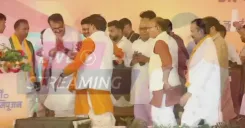
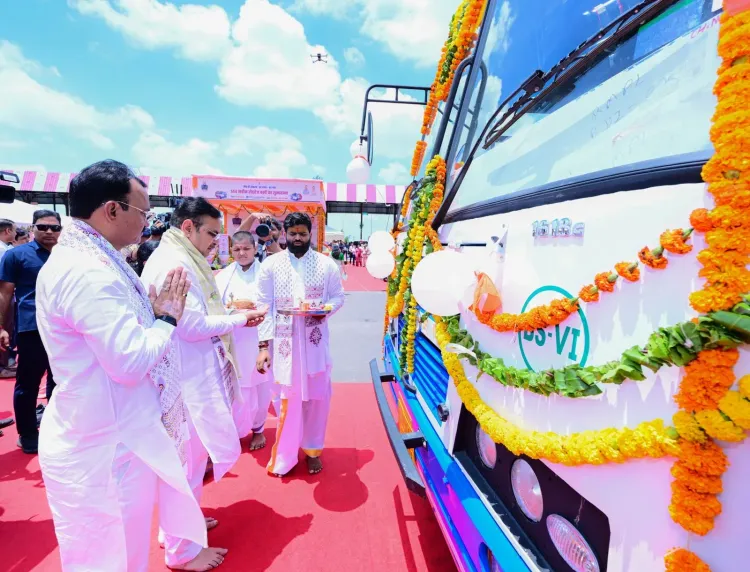
CM Bhajan Lal flags off 144 new RSRTC buses in Jaipur
Synopsis
Rajasthan CM Bhajan Lal Sharma flagged off 144 new RSRTC buses from Jaipur's Heerapura Bus Stand on 26 July 2026 and distributed helmets to women road-safety ambassadors, reinforcing the state government's push for modern, safe public transport across remote districts.
Key Takeaways
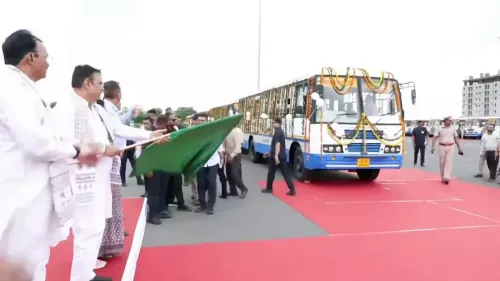
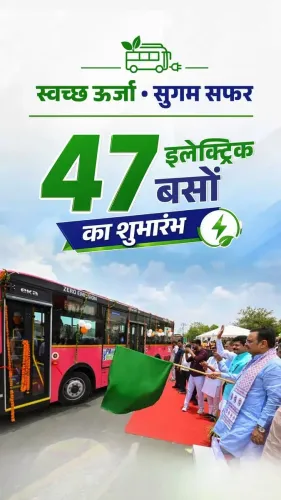
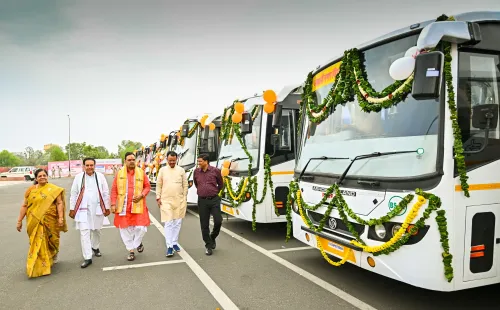
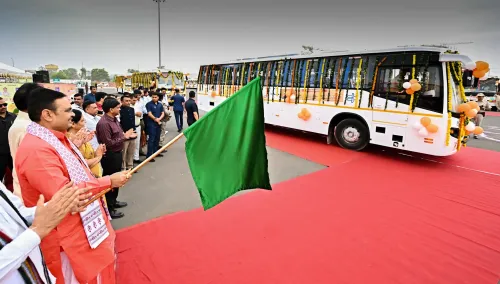
144 new RSRTC buses were flagged off by CM Bhajan Lal Sharma from Heerapura Bus Stand, Jaipur on 26 July 2026 .
The new fleet is intended to improve passenger comfort and strengthen connectivity in remote and far-flung areas of Rajasthan.
Helmets were distributed to women designated as road safety ambassadors ( sadak suraksha agradoot ) at the same event.
Deputy CM and Transport Minister Dr.
Prem Bairwa and several elected representatives attended the flagging-off ceremony.
The induction is part of RSRTC's ongoing fleet modernisation drive to replace ageing vehicles and expand rural route coverage.
The Rajasthan government has reaffirmed its commitment to providing smooth, safe, and modern transport services to all residents.
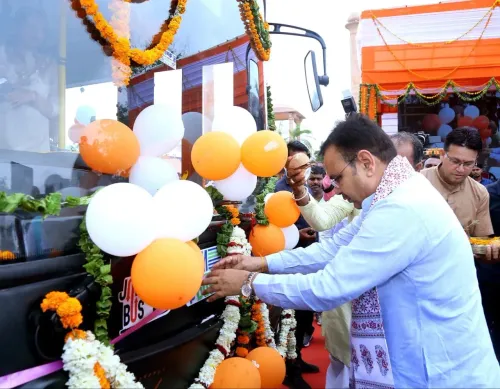
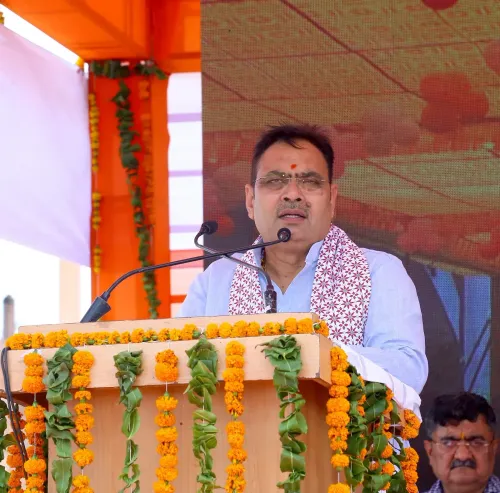
Rajasthan Chief Minister Bhajan Lal Sharma on Sunday, 26 July 2026 flagged off 144 new buses of the Rajasthan State Road Transport Corporation (RSRTC) from Heerapura Bus Stand in Jaipur, marking a significant addition to the state's public transport fleet. At the same event, he distributed helmets to women road-safety volunteers designated as sadak suraksha agradoot (road safety ambassadors).
Context
Posting on X, CM Sharma wrote that the new modern buses would make passengers' journeys more comfortable and strengthen connectivity to door-daraaz ke kshetron (remote and far-flung areas) of the state. He reaffirmed the government's commitment to providing 'smooth, safe, and modern transport services' to the people of Rajasthan. Deputy Chief Minister and Minister for Transport and Road Safety Dr. Prem Bairwa, along with several elected representatives, was present at the flagging-off ceremony.
Policy Backdrop
RSRTC is the state-owned corporation responsible for inter-city and rural bus services across Rajasthan, one of India's largest states by area, where last-mile connectivity remains a persistent challenge for rural and tribal communities. The corporation has undertaken fleet modernisation drives in previous years to phase out ageing vehicles and expand route coverage, and this induction of 144 buses continues that trajectory. Alongside fleet expansion, road safety campaigns targeting women — including helmet distribution and volunteer training — have been adopted across several Indian states in response to persistently high accident rates on state and national highways.
Stakeholders and Impact
The primary beneficiaries are daily bus passengers, rural commuters in districts underserved by private transport, and women road users who received helmets as part of the safety drive. Modern, air-conditioned or upgraded buses typically reduce travel fatigue on long inter-district routes and can draw more commuters away from overloaded private vehicles. The helmet distribution to women road-safety ambassadors signals an intent to build a community-level network that promotes safe riding behaviour at the grassroots.
What's Next
The Rajasthan government is expected to announce further tranches of bus procurement as part of its broader infrastructure and mobility agenda for the state. Observers will watch whether the helmet distribution programme scales into a structured road-safety volunteer network, and whether accident data from targeted corridors shows measurable improvement. Integration with national highway projects and central government mobility schemes could further amplify the impact of this fleet expansion.
Point of View
Particularly in rural constituencies where reliable public transport is scarce. The presence of Deputy CM and Transport Minister Dr. Prem Bairwa underscores the political weight the ruling BJP is placing on visible infrastructure delivery ahead of future electoral cycles. Sustained impact will depend on whether route rationalisation and maintenance budgets keep pace with the new procurement.
NationPress
26 Jul 2026
Frequently Asked Questions
How many new buses did RSRTC get in July 2026?
RSRTC received 144 new buses , which were flagged off by CM Bhajan Lal Sharma from Heerapura Bus Stand in Jaipur on 26 July 2026 .
What is Heerapura Bus Stand in Jaipur?
Heerapura Bus Stand is a major bus terminal in Jaipur that serves as a key hub for RSRTC 's inter-city and rural bus services across Rajasthan.
Who is the Transport Minister of Rajasthan?
Dr. Prem Bairwa is the Deputy Chief Minister and Minister for Transport and Road Safety in the Rajasthan government.
What is the road safety initiative announced alongside the RSRTC bus launch?
At the same event, CM Bhajan Lal Sharma distributed helmets to women volunteers called sadak suraksha agradoot (road safety ambassadors) as part of a community-level road safety campaign.