Tharoor Delivers Constitution Lecture at London's Lincoln's Inn
Synopsis
Congress MP Dr. Shashi Tharoor addressed a student-heavy audience at London's historic Lincoln's Inn Great Hall on India's living constitution, joined in discussion by Tamil Nadu Finance Minister P.T.R. Palanivel Thiaga Rajan, with the session moderated by O.P. Jindal Global University Vice-Chancellor C. Raj Kumar.
Key Takeaways
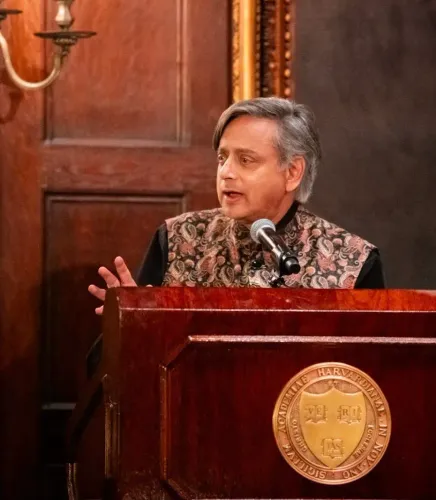
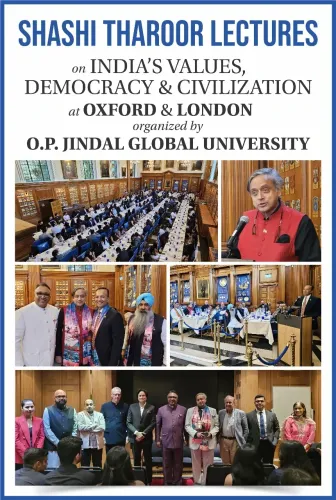
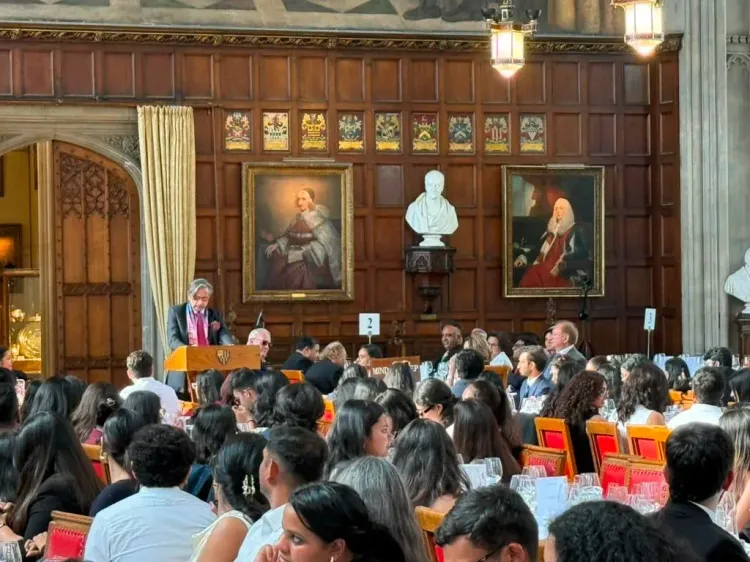
Shashi Tharoor delivered a distinguished public lecture at the Great Hall of Lincoln's Inn , London, on 11 July 2026 .
The lecture focused on the role of India's living constitution in shaping Indian democracy.
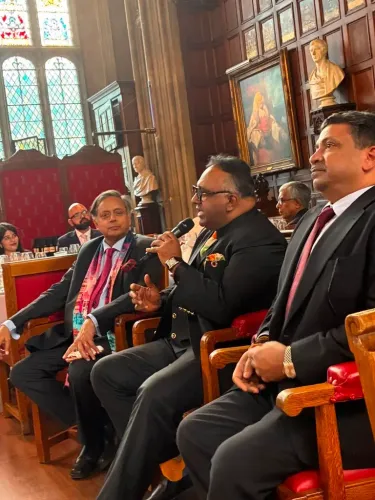
Palanivel Thiaga Rajan , Tamil Nadu Finance Minister and DMK leader, offered comments and participated in the discussion.
The session was moderated by C.
Raj Kumar , Vice-Chancellor of O.P.
Jindal Global University .
The audience consisted largely of law students , situating the event as an academic exchange on Indian constitutionalism.
Lincoln's Inn is one of London's four historic Inns of Court, a prestigious venue for legal and policy discourse.
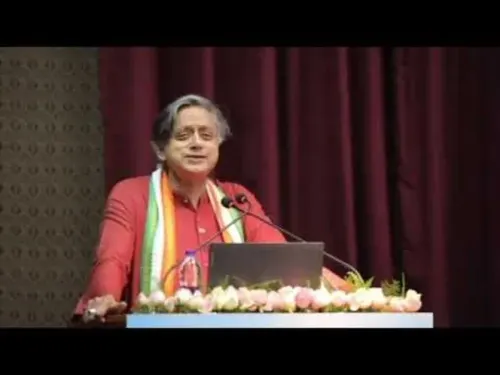
Congress MP Dr. Shashi Tharoor delivered a distinguished public lecture at the Great Hall of Lincoln's Inn in London on Friday, 11 July 2026, speaking on the role of India's living constitution in shaping the country's democracy. The event brought together legal scholars, students, and policymakers in one of Britain's most historic legal institutions.
Context
Tharoor, who shared details of the event on social media, described the lecture as a 'distinguished public lecture' delivered in the 'imposing Great Hall' of Lincoln's Inn. His address was followed by remarks from P.T.R. Palanivel Thiaga Rajan, the DMK leader and Tamil Nadu Finance Minister, after which the two engaged in a discussion with the largely student audience. The session was moderated by C. Raj Kumar, Vice-Chancellor of O.P. Jindal Global University.
Lincoln's Inn is one of the four historic Inns of Court in London, serving as a centre for legal education and public discourse for centuries. Its Great Hall has hosted some of the most significant legal and policy conversations in the British and Commonwealth tradition.
Policy Backdrop
The Indian Constitution was adopted on 26 November 1949 and came into force on 26 January 1950, establishing the framework for parliamentary democracy, fundamental rights, and judicial review. The notion of it as a 'living constitution' — one that evolves through judicial interpretation and democratic practice — has been a recurring theme in Indian constitutional scholarship.
Tharoor, a former Union Minister of State for External Affairs and former UN Under-Secretary-General, has long engaged with questions of Indian democracy and constitutional governance in international forums. His appearance at Lincoln's Inn fits a broader pattern of Indian parliamentarians and ministers presenting India's constitutional evolution to international academic audiences at historic British legal institutions.
Stakeholders and Impact
The audience comprised largely law students, alongside legal professionals and academics, making the event a significant platform for shaping how India's democratic and constitutional journey is understood abroad. The participation of Palanivel Thiaga Rajan — a prominent voice in federal finance and policy — added a dimension of current governance perspective to the constitutional discussion.
C. Raj Kumar, who moderated the session, is a legal scholar with expertise in international law and heads O.P. Jindal Global University, a private Indian institution known for its law school and global academic partnerships. His involvement signals the growing role of Indian private universities in facilitating high-profile international academic exchanges.
What's Next
Events of this nature often catalyse follow-up academic publications, panel discussions, or collaborative research between Indian and British legal institutions. With senior figures such as Tharoor, Palanivel Thiaga Rajan, and Raj Kumar on the same platform, the London lecture could seed further engagements on Indian constitutional law at UK universities and leading Indian law schools. The conversation around India's living constitution is likely to gain renewed momentum as the country marks significant milestones in its democratic journey.
Point of View
Suggesting that cross-party engagement on constitutional themes can transcend domestic political rivalries on the international stage. Moderation by the head of a leading Indian private law university underscores the rising ambition of Indian academic institutions to anchor such global conversations. Together, these signals point to a maturing Indian effort to shape the global narrative around its democratic institutions.
NationPress
10 Oct 2026
Frequently Asked Questions
Where did Shashi Tharoor give his lecture in London?
Dr. Shashi Tharoor delivered his lecture at the Great Hall of Lincoln's Inn, one of London's four historic Inns of Court, on 11 July 2026.
What was the topic of Shashi Tharoor's London speech?
The lecture focused on the role of India's living constitution in shaping Indian democracy, exploring how the constitution evolves through judicial interpretation and democratic practice.
Who is P.T.R. Palanivel Thiaga Rajan?
P.T.R. Palanivel Thiaga Rajan is a DMK leader and the Finance Minister of Tamil Nadu; he offered comments after Tharoor's lecture and participated in the subsequent discussion.
Who moderated the Lincoln's Inn discussion with Tharoor?
The discussion was moderated by C. Raj Kumar, Vice-Chancellor of O.P. Jindal Global University, a legal scholar with expertise in international law.
What is Lincoln's Inn?
Lincoln's Inn is one of the four Inns of Court in London, historic institutions responsible for calling barristers to the Bar and hosting significant legal and policy events.