Tharoor joins discussion with Iranian scholar, Irish journalist
Synopsis
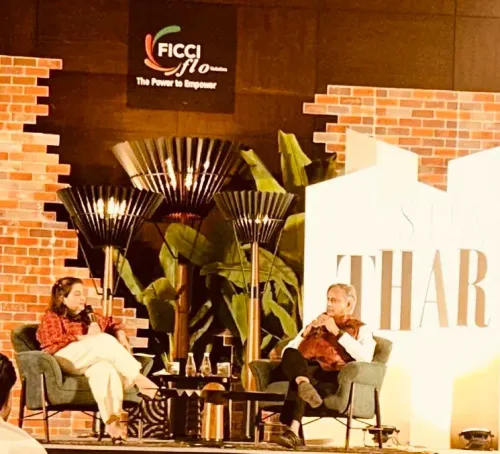
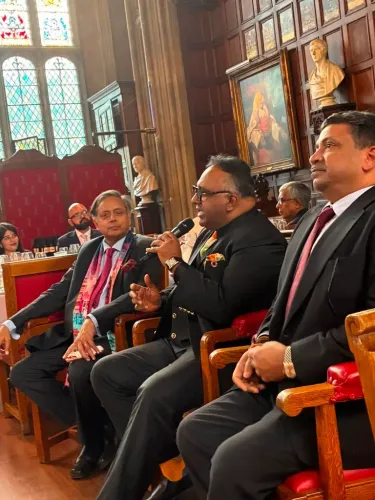
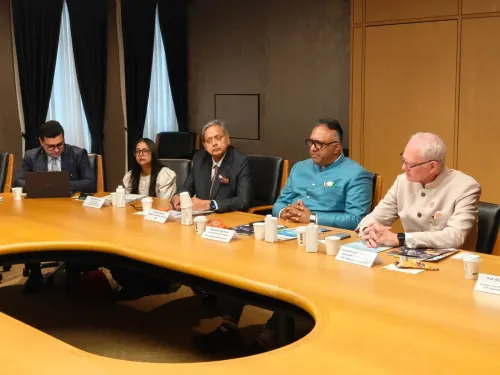
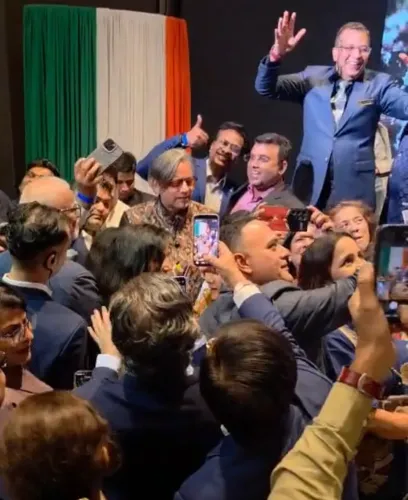
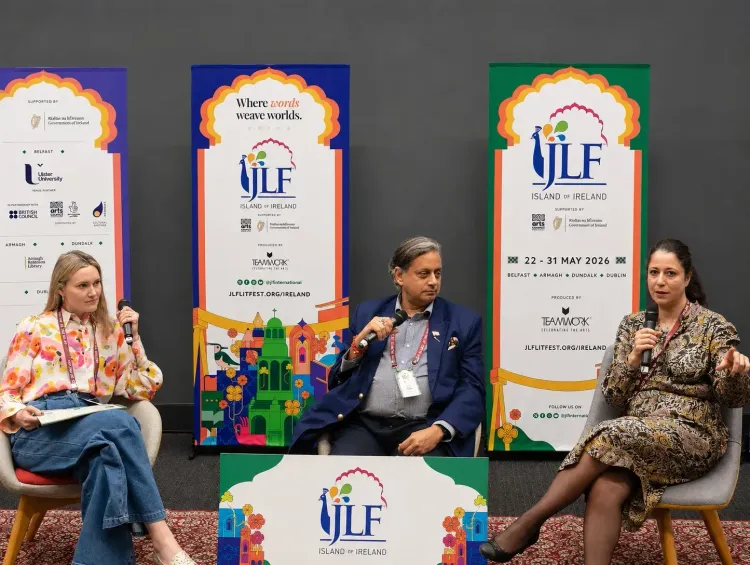
Congress MP Dr. Shashi Tharoor on 24 May 2026 shared images from a discussion with Iranian scholar and human rights activist Roja Fazaeli, moderated by Irish journalist Shona Murray. The exchange reflects a broader pattern of Indian parliamentarians with diplomatic backgrounds engaging Iranian civil-society voices outside formal government channels.
Key Takeaways
Shashi Tharoor , Congress MP from Thiruvananthapuram , posted about the discussion on 24 May 2026 .
The conversation featured Roja Fazaeli , an Iranian-born scholar and human rights activist focused on gender and law in Iran.
Irish journalist Shona Murray moderated the session; four images were shared alongside the post.
Tharoor previously served as Minister of State for External Affairs in 2009 , engaging India's Iran policy at a sensitive juncture.
India's ties with Iran encompass the Chabahar port project and energy trade, making civil-society engagement politically significant.
Possible follow-up in Parliament's monsoon session on India-Iran relations or human-rights resolutions.
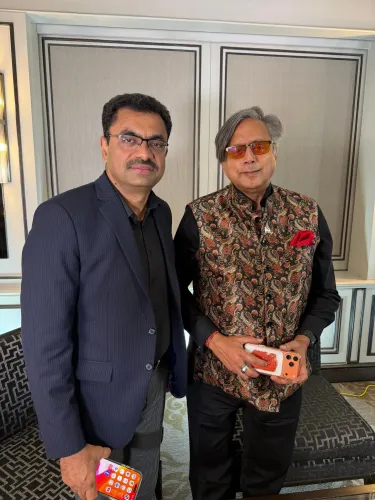
Congress MP Dr. Shashi Tharoor on Sunday, 24 May 2026, described a conversation with Iranian-born scholar and human rights activist Roja Fazaeli and Irish journalist Shona Murray as a 'wonderful discussion,' sharing images from the event on his official X account.
Context
Dr. Tharoor, the Congress MP from Thiruvananthapuram and a former UN Under-Secretary-General, has a long record of engaging with international civil-society voices on human rights and foreign-policy questions. His post named Roja Fazaeli as an Iranian scholar and human rights activist, and credited Shona Murray — described as a 'brilliant Irish journalist' — with moderating the session. Four images accompanied the post, indicating an in-person or panel-format exchange.
Fazaeli is publicly associated with research on gender, law and rights in Iran, and is affiliated with Irish academic institutions. Murray has experience moderating discussions on international and European affairs. The precise venue and agenda of the May 2026 meeting have not been independently confirmed.
Policy Backdrop
India and Iran maintain a layered relationship spanning energy trade, the Chabahar port connectivity project, and broader regional connectivity ambitions. New Delhi has historically pursued a multi-alignment posture, seeking to preserve those bilateral links while managing pressure from US and EU sanctions regimes targeting Tehran.
Dr. Tharoor served as Minister of State for External Affairs in 2009, a period during which India was publicly navigating its calibrated stance on Iran's nuclear programme and bilateral energy relations. His engagement with Iranian civil-society figures outside formal government channels is consistent with the broader pattern of Indian parliamentarians with diplomatic backgrounds participating in Track-II or public-forum discussions on Iran-related human rights and regional issues.
Stakeholders and Impact
For human rights advocates focused on Iran, exchanges involving senior Indian parliamentarians carry symbolic weight: India's voice in multilateral forums — shaped partly by its energy and trade calculus — can influence the framing of resolutions on Iranian governance and civil liberties. Academics and activists such as Fazaeli often use such platforms to bring international legislative attention to conditions inside Iran, particularly around gender rights and legal reform.
For the Indian National Congress, Tharoor's continued engagement with international scholars and journalists reinforces the party's positioning on foreign-policy pluralism and human rights — themes the opposition has sought to contrast with the ruling dispensation's emphasis on strategic pragmatism.
What's Next
Observers will watch whether the conversation surfaces in parliamentary proceedings, particularly if the monsoon session of Parliament includes questions on India-Iran ties or human-rights resolutions. Any follow-up statements by Dr. Tharoor on Iran's domestic situation or India's bilateral posture would add legislative weight to what is currently a public civil-society exchange. The discussion could also find resonance in upcoming EU-India or US-India strategic dialogues where Iran's human rights record is a recurring sub-text.
Point of View
Indian parliamentary attention — even informal — matters because India is one of the few large democracies that has maintained functional ties with Tehran through successive sanctions cycles. Whether this exchange translates into legislative action or merely reinforces Tharoor's personal brand of cosmopolitan diplomacy remains to be seen.
NationPress
14 Sept 2026
Frequently Asked Questions
Who is Roja Fazaeli and why did Tharoor meet her?
Roja Fazaeli is an Iranian-born scholar and human rights activist affiliated with Irish academic institutions, known for research on gender, law and rights in Iran. Dr. Tharoor described their conversation as a 'wonderful discussion,' though the precise agenda has not been officially confirmed.
What is Shashi Tharoor's background in foreign policy?
Dr. Shashi Tharoor is the Congress MP from Thiruvananthapuram and a former UN Under-Secretary-General. He also served as Minister of State for External Affairs in 2009, giving him direct experience with India's approach to Iran's nuclear programme and bilateral energy ties.
What is India's current relationship with Iran?
India and Iran maintain ties through the Chabahar port connectivity project and energy trade. New Delhi pursues a multi-alignment policy, preserving these bilateral links while managing pressure from US and EU sanctions on Tehran.
Could this discussion influence India's parliamentary debates on Iran?
Observers are watching for follow-up parliamentary questions during the monsoon session on India-Iran relations or human-rights resolutions. Dr. Tharoor's engagement with Iranian civil-society voices could inform his legislative positions on these issues.
What is Track-II diplomacy and how does Tharoor's meeting fit?
Track-II diplomacy refers to informal, non-governmental dialogues between scholars, activists and public figures that complement official state-level talks. Tharoor's meeting with Fazaeli and Murray fits this pattern, as it is a public civil-society exchange rather than a formal government interaction.