Tharoor Meets Sri Lankan Tamil Leader Mano Ganesan
Synopsis
Congress MP Dr. Shashi Tharoor met Sri Lankan Tamil leader and Democratic People's Front chief Mano Ganesan on 26 July 2026, signalling continued Indian parliamentary engagement on Tamil minority rights and devolution in Sri Lanka.
Key Takeaways
Shashi Tharoor met Sri Lankan Tamil politician Mano Ganesan on 26 July 2026 .
Mano Ganesan leads the Democratic People's Front and is a prominent advocate for Sri Lankan Tamil minority rights.
Tharoor chairs the Parliamentary Standing Committee on External Affairs and has a long record of engagement on the Sri Lanka Tamil issue.
Indian parliamentarians have historically maintained contacts with Sri Lankan Tamil leaders alongside official bilateral diplomacy.
The meeting is set against the backdrop of unresolved 13th Amendment implementation and ongoing India-Sri Lanka bilateral ties covering fisheries, trade, and security.
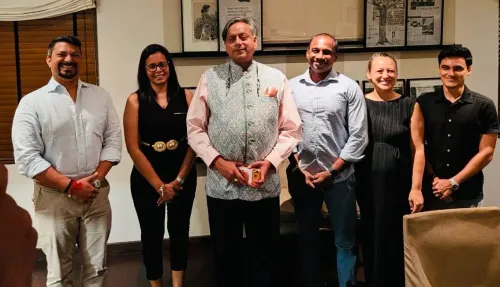
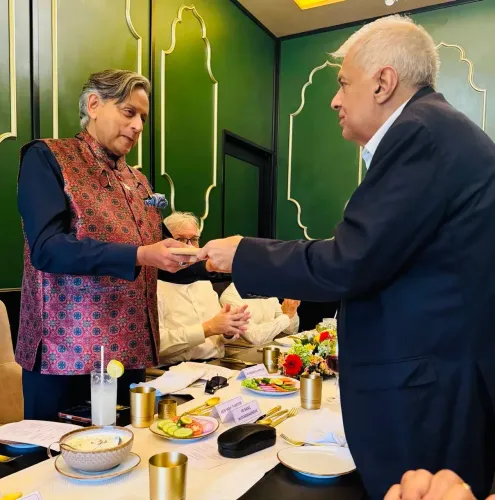
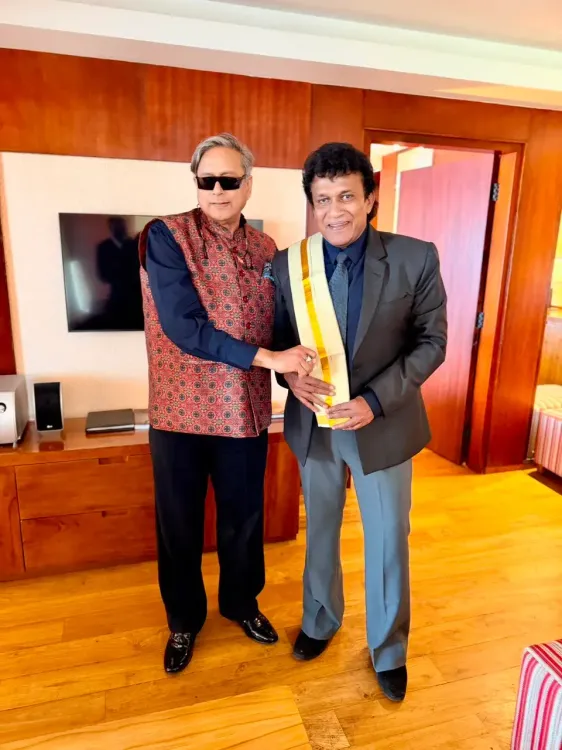
Congress MP Dr. Shashi Tharoor met Mano Ganesan, the veteran Sri Lankan Tamil politician and leader of the Democratic People's Front, on Sunday, 26 July 2026, describing the exchange as a productive dialogue on shared concerns.
Context
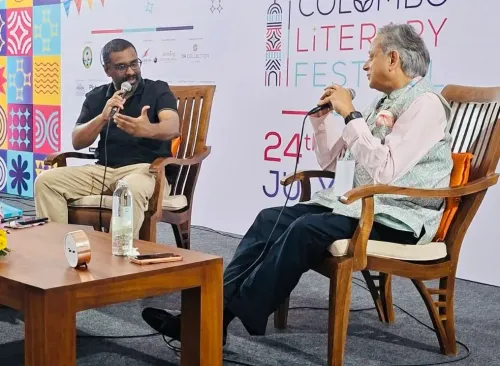
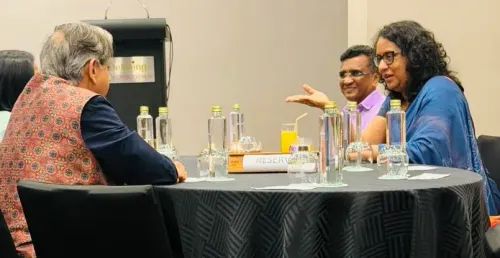
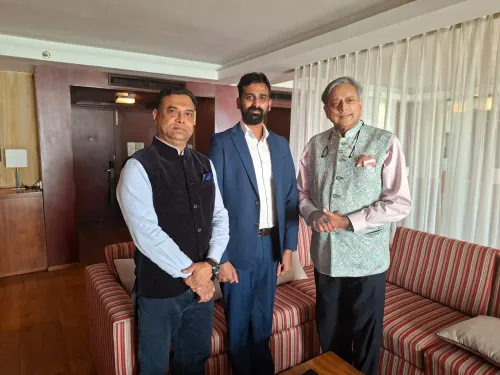
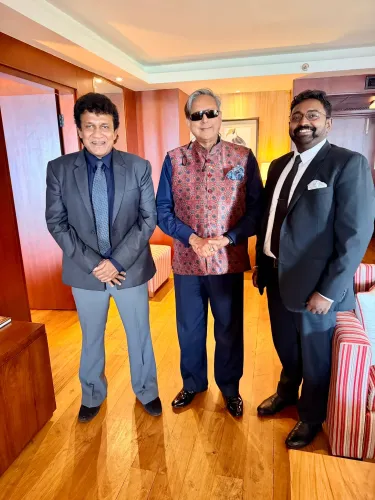
Tharoor took to X to share news of the meeting, writing: 'It was a pleasure to meet and exchange thoughts with Shri Mano Ganesan, veteran Tamil leader.' The post was accompanied by two images from the meeting. Ganesan is a prominent advocate for minority rights and political devolution for Sri Lankan Tamils.
Tharoor, who represents Thiruvananthapuram in the Lok Sabha and chairs the Parliamentary Standing Committee on External Affairs, has long maintained an active interest in Sri Lanka's Tamil question given its resonance with his constituency and the broader Indian Tamil community.
Policy Backdrop
Indian parliamentarians across party lines have historically maintained contact with Sri Lankan Tamil political figures as a complement to official bilateral diplomacy. These engagements serve as a channel to monitor minority rights conditions and press for political solutions, particularly around the implementation of the 13th Amendment to Sri Lanka's constitution — a provision born from the Indo-Sri Lanka Accord of 1987 that mandated devolution of power to provincial councils.
The civil war in Sri Lanka ended in 2009, but the question of meaningful power-sharing for the Tamil minority has remained unresolved, drawing sustained attention from Indian lawmakers, civil society groups, and the Tamil diaspora. Successive Indian governments have, through diplomatic channels, urged Colombo to fulfil its devolution commitments.
Stakeholders and Impact
Mano Ganesan has been a consistent voice for Sri Lankan Tamils in the country's parliament, often engaging with Indian counterparts to internationalise concerns around minority rights, land return, and accountability for wartime conduct. His Democratic People's Front represents a significant segment of the Up-Country Tamil community.
For the Indian Tamil diaspora and communities in Tamil Nadu, such meetings carry symbolic weight, signalling that Indian legislators remain engaged with the political fate of Tamils across the Palk Strait. Fishermen's rights and cross-border maritime issues also form a recurring sub-text in India-Sri Lanka people-to-people contacts.
What's Next
Observers will watch whether this meeting feeds into any formal parliamentary discussion on 13th Amendment implementation or surfaces during the next round of India-Sri Lanka foreign secretary-level talks. Tharoor's committee has previously produced reports and recommendations touching on New Delhi's approach to Colombo on the Tamil question.
With bilateral ties encompassing fisheries, trade, connectivity, and security cooperation, informal parliamentarian-level contacts such as this one continue to provide an important supplementary track to official diplomacy between the two neighbours.
Point of View
And occasionally pressured, official New Delhi diplomacy toward Colombo. For Tharoor specifically, the engagement is consistent with his profile as a foreign-policy-oriented legislator who also represents a constituency with strong cultural and emotional ties to the Tamil cause. The timing, amid ongoing questions about the pace of 13th Amendment implementation, gives the meeting added political salience. It also underscores how the Sri Lanka Tamil issue remains a live concern in Indian domestic politics, particularly in the south.
NationPress
24 Oct 2026
Frequently Asked Questions
Who is Mano Ganesan?
Mano Ganesan is a Sri Lankan Tamil politician and the leader of the Democratic People's Front, known for advocating minority rights and political devolution for Tamils in Sri Lanka.
Why did Shashi Tharoor meet Mano Ganesan?
Tharoor described the meeting as an exchange of thoughts with the veteran Tamil leader; it reflects the broader pattern of Indian parliamentarians engaging Sri Lankan Tamil political figures on minority rights and devolution.
What is the 13th Amendment to Sri Lanka's constitution?
The 13th Amendment, introduced following the Indo-Sri Lanka Accord of 1987, mandates devolution of power to provincial councils and is seen as a key mechanism for addressing Tamil political aspirations in Sri Lanka.
What is Shashi Tharoor's role in Indian foreign policy?
Tharoor is a Congress MP from Thiruvananthapuram and chairs the Parliamentary Standing Committee on External Affairs; he is also a former UN Under-Secretary-General with extensive international affairs experience.
Why does India engage with Sri Lankan Tamil leaders?
India engages with Sri Lankan Tamil leaders to monitor minority rights, support political solutions, and reflect the concerns of the Indian Tamil community and diaspora, complementing official bilateral diplomacy on trade, fisheries, and security.