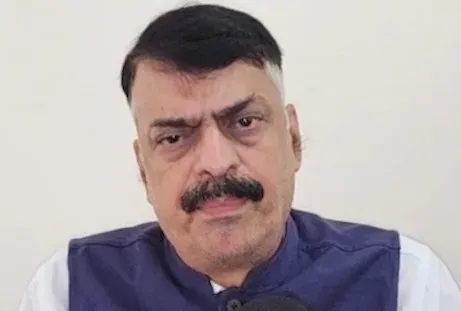
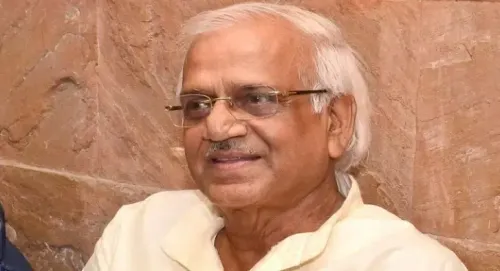
TMC moves Supreme Court to disqualify 10 rebel Bengal MLAs, including Ritabrata Banerjee
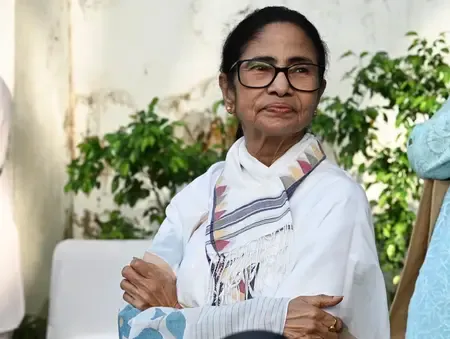
Synopsis
TMC veteran Sovandeb Chattopadhyay has gone back to the Supreme Court — for the second time this year — seeking the disqualification of 10 rebel party MLAs, including the Leader of the Opposition and a former Kolkata mayor. The Speaker missed a court-set three-month deadline without ruling, forcing the apex court's hand again in a dispute that could redraw West Bengal's legislative map.
Key Takeaways
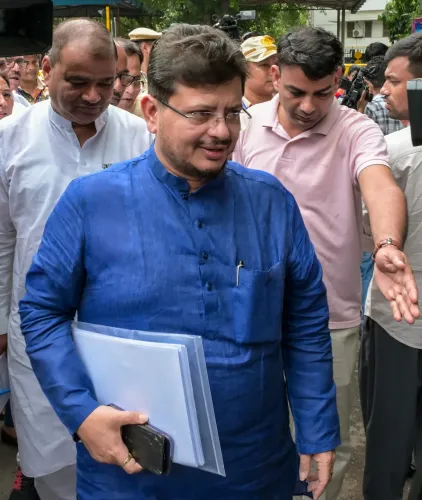
Sovandeb Chattopadhyay filed a second Supreme Court petition on 23 October 2026 to disqualify 10 rebel TMC MLAs .
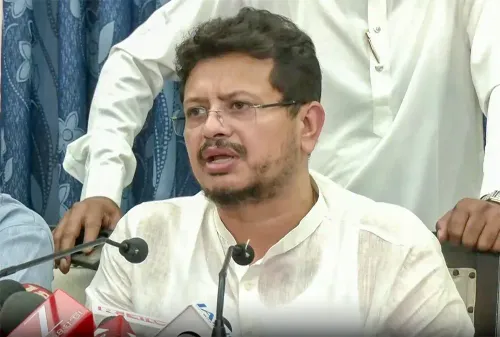
The petition targets Leader of the Opposition Ritabrata Banerjee and former KMC Mayor Firhad Hakim , among others.
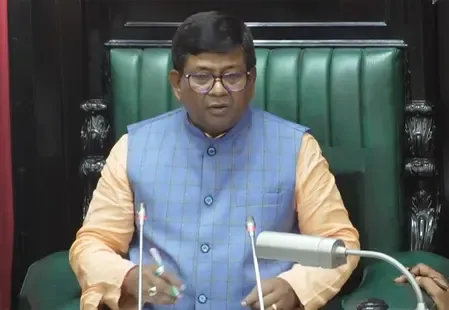
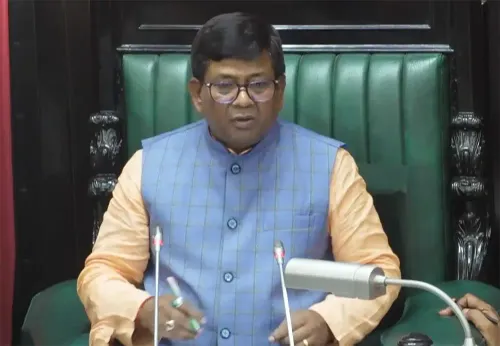
Speaker Rathindra Bose is named as respondent for failing to decide on the application filed on 8 July 2026 .
The Supreme Court had on 28 September 2026 set a three-month deadline for the Speaker to rule; that deadline passed on 8 October 2026 without a decision.
Disqualification is sought under the Anti-Defection Act (Tenth Schedule of the Constitution).
The matter is expected to come up for hearing in the Supreme Court next week .
All India Trinamool Congress (TMC) veteran leader Sovandeb Chattopadhyay on Friday, 23 October 2026, moved the Supreme Court for the second time seeking the disqualification of 10 rebel MLAs from the party, led by Leader of the Opposition Ritabrata Banerjee. The petition names West Bengal Assembly Speaker Rathindra Bose as the primary respondent for failing to rule on an earlier disqualification application, with the matter expected to come up for hearing next week.
Who Is Named in the Petition
The 10 rebel MLAs whose disqualification has been sought under the Anti-Defection Act are Ritabrata Banerjee, former Kolkata Municipal Corporation (KMC) Mayor Firhad Hakim, Sandipan Saha, Arup Roy, Shiuli Saha, Akhtaruzzaman, Sabina Yasmin, Rathin Ghosh, Biplob Mitra, and Javed Ahmed Khan. The Principal Secretary of the West Bengal Legislative Assembly has also been named as a party in the case.
Timeline of the Dispute
The initial disqualification application was submitted to Speaker Rathindra Bose on behalf of the Mamata Banerjee-led TMC faction on 8 July 2026. During a hearing on 28 September 2026, the Supreme Court directed that any such application placed before the Speaker must be disposed of within three months, expressing hope that the Speaker would honour the timeline. That deadline fell on 8 October 2026. With no ruling from the Speaker forthcoming, Chattopadhyay has now returned to the apex court — this being his second petition on the matter.
Why the Speaker's Silence Matters
Under the Tenth Schedule of the Constitution, commonly known as the Anti-Defection Act, a Speaker is the designated adjudicating authority on disqualification petitions. Critics argue that prolonged inaction by Speakers on such petitions has become a recurring pattern across Indian legislatures, effectively shielding rebel legislators from consequences. The Supreme Court has, in past rulings, set timelines to prevent indefinite delay, though enforcement remains a challenge. Notably, this is at least the second time the apex court has been drawn into the West Bengal rebel-MLA dispute within the same year.
Political Stakes for TMC and West Bengal
The rebellion within TMC is significant: among those facing disqualification is Ritabrata Banerjee, who currently serves as Leader of the Opposition in the West Bengal Assembly — a position that carries constitutional recognition. The inclusion of former KMC Mayor Firhad Hakim underscores the seniority of the legislators involved, elevating the political stakes for the ruling party ahead of upcoming local body cycles. If the disqualification petition succeeds, it could alter the legislative arithmetic in the assembly and reshape the opposition landscape in West Bengal.
What Happens Next
The Supreme Court is expected to take up the matter next week. Depending on how the bench proceeds, it may issue a fresh directive to the Speaker with a firmer deadline, or take a more direct role in the proceedings. Legal observers suggest the court could invoke its powers under Article 142 if it determines that the Speaker's continued inaction constitutes a constitutional violation.
Point of View
Which makes Chattopadhyay's second petition more than a political manoeuvre: it is a stress test of the Tenth Schedule's enforcement mechanism. What is routinely missed in coverage of such disputes is the structural conflict of interest built into the system — Speakers belong to the ruling party and have every political incentive to delay rulings on fellow legislators. Until Parliament or the Supreme Court finds a durable fix for this, Anti-Defection petitions will continue to pile up in courts rather than being resolved where the Constitution intended them to be.
NationPress
23 Oct 2026
Frequently Asked Questions
Why has TMC moved the Supreme Court to disqualify 10 MLAs?
The Trinamool Congress faction led by Chief Minister Mamata Banerjee filed a petition because West Bengal Assembly Speaker Rathindra Bose has not ruled on an earlier disqualification application against 10 rebel party MLAs, even after missing a Supreme Court-set three-month deadline. The petition names Rathindra Bose as the primary respondent for the failure to decide.
Who are the 10 rebel TMC MLAs facing disqualification?
The 10 MLAs are Ritabrata Banerjee, Firhad Hakim, Sandipan Saha, Arup Roy, Shiuli Saha, Akhtaruzzaman, Sabina Yasmin, Rathin Ghosh, Biplob Mitra, and Javed Ahmed Khan. Ritabrata Banerjee is the current Leader of the Opposition in the West Bengal Assembly, and Firhad Hakim is a former KMC Mayor.
What is the Anti-Defection Act and why does it apply here?
The Anti-Defection Act, codified in the Tenth Schedule of the Constitution, disqualifies legislators who voluntarily give up party membership or vote against their party's direction. TMC has invoked it against the 10 rebel MLAs on the grounds that they have acted contrary to party positions, with the Speaker designated as the adjudicating authority.
Why has the matter come back to the Supreme Court?
The initial disqualification application was submitted to Speaker Rathindra Bose on 8 July 2026. On 28 September 2026 the Supreme Court directed that such applications must be disposed of within three months, placing the deadline at 8 October 2026. With no ruling from the Speaker by that date, petitioner Sovandeb Chattopadhyay returned to the apex court.
When will the Supreme Court hear the new petition?
The matter is expected to come up for hearing before the Supreme Court next week. Depending on the bench's direction, it could issue a fresh and firmer deadline to the Speaker or consider a more direct intervention under its constitutional powers.