TMC cracks widen: Opposition blames BJP for 'finishing morality' in politics
Synopsis
With 58 of 80 TMC MLAs defying Mamata Banerjee's high command and a rebel MP visiting a Union Minister's home, the Opposition is pointing squarely at the BJP — alleging intimidation, institutional raids, and what Congress calls a political 'washing machine' that launders accused leaders. The TMC's internal fracture is now a national political flashpoint.
Key Takeaways
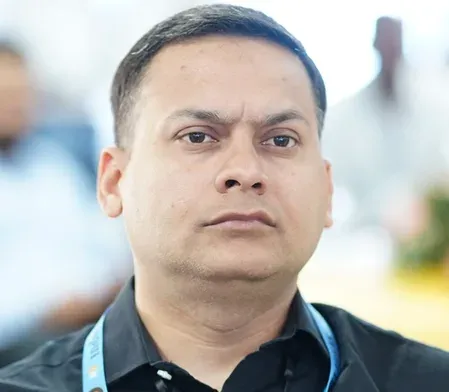
TMC MP Sudip Bandyopadhyay visited Union Minister Bhupender Yadav's residence on Saturday , signalling rebel faction alignment.
58 of 80 TMC MLAs reportedly defied the party high command, electing Ritabrata Banerjee as Leader of Opposition over the party-endorsed Sovandeb Chattopadhyay .
Congress leader Kirti Azad alleged dissenting MPs switched sides 'under pressure, intimidation, and greed for money.' Congress leader Rajesh Thakur accused the BJP of using raids and threats to pressure TMC legislators into defecting.
TMC MP Saugata Roy said there is no constitutional provision for the rebel group to form a separate legislative bloc.
The BJP has not officially responded to the allegations as of Sunday.
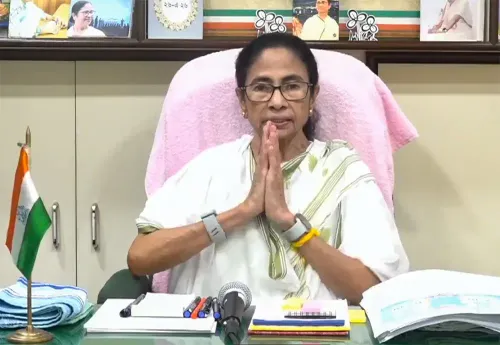
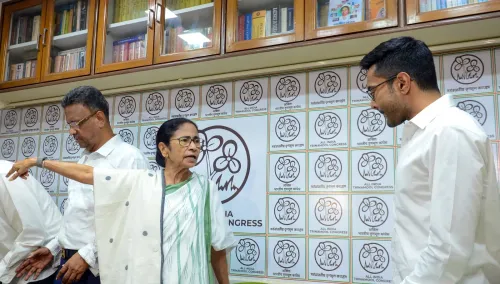
The Opposition, led by the Indian National Congress and the All India Trinamool Congress (TMC), on Sunday, 14 June launched a sharp attack on the Bharatiya Janata Party (BJP), accusing it of engineering dissent within the Mamata Banerjee-led party and eroding ethical standards in Indian politics. The criticism follows a string of developments signalling deepening fissures within the TMC, including a high-profile visit by a rebel MP to a Union Minister's residence.
The Rebel Signal
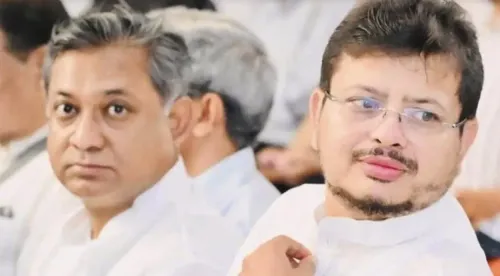
TMC MP Sudip Bandyopadhyay visited the residence of Union Minister Bhupender Yadav on Saturday, a move widely read as an indication of his alignment with the rebel faction within the party. The visit came days after 58 of 80 TMC MLAs reportedly defied the party high command's directive to appoint veteran leader Sovandeb Chattopadhyay as Leader of Opposition in the West Bengal Assembly, instead electing MLA Ritabrata Banerjee to the post.
What Congress Leaders Said
Congress leader Kirti Azad was pointed in his criticism, arguing that labelling the dissenting legislators as 'rebels' was itself a misuse of the term. 'Calling them rebels is an insult to the word because our freedom fighters, including my father, were rebels who fought against the British government,' he said.
Azad also questioned the consistency of the rebel MPs, noting they had contested elections on the TMC's symbol and benefited from the party's incumbency in West Bengal. 'Before losing the Assembly election, they were benefiting from the party since it was in power at that time,' he said. He further alleged that the dissenting MPs had claimed to form a separate Opposition bloc in the West Bengal Assembly while simultaneously signalling support to the National Democratic Alliance (NDA) in the Lok Sabha. 'There is no consensus among them. They have changed sides under pressure, intimidation, and greed for money,' he alleged. 'After the BJP came to power, morality in politics has been finished,' he added.
Congress leader Rajesh Thakur went further, accusing the BJP of orchestrating a deliberate campaign to fracture the TMC. 'This is part of the BJP's effort to break and weaken the Trinamool. One can see the continuous raids and the manner in which Abhishek Banerjee and Mamata Banerjee are being targeted. Their MLAs and MPs are being pressured and threatened with jail,' he alleged. Thakur also invoked what he called the BJP's political 'washing machine' — a reference to the allegation that leaders accused of corruption are absorbed into the BJP and shielded from scrutiny.
TMC's Own Assessment
TMC MP Saugata Roy struck a more constitutional note, underscoring that there is no provision under the Constitution for the rebel group to form a separate legislative bloc. 'So, we don't know what shape they will give to their faction,' he said. Notably, three TMC Rajya Sabha MPs had earlier resigned their seats — a course of action that Azad argued the dissenting legislators should have followed, given that they had won on the party's ticket.
The Broader Pattern
This is not the first time the BJP has faced accusations of using institutional pressure to weaken regional opposition parties. Critics have drawn parallels with similar episodes in Maharashtra, Bihar, and Andhra Pradesh, where defections and splits in rival parties preceded or followed shifts in political power. The TMC, which swept the 2021 West Bengal Assembly elections, has faced sustained pressure since its performance in the subsequent Lok Sabha polls. The current wave of internal dissent — if it consolidates — could reshape the Opposition arithmetic in both the state legislature and Parliament.
The BJP has not officially responded to the specific allegations made on Sunday. How the rebel TMC faction formalises its position in the coming days will be closely watched across the political spectrum.
Point of View
Defections, and a narrative battle over who broke whom. What is notable here is the scale — 58 of 80 MLAs is not a fringe revolt, it is a structural rupture. Congress's 'washing machine' framing is politically effective but also a deflection: it sidesteps the question of why so many TMC legislators found the exit door appealing in the first place. The BJP, for its part, does not need to respond — the numbers speak for it. If the rebel bloc consolidates, the Opposition's anti-BJP unity project takes a serious hit at precisely the moment it needs cohesion.
NationPress
14 Sept 2026
Frequently Asked Questions
Why are Opposition parties blaming the BJP for the TMC split?
Congress and TMC leaders allege that the BJP used institutional tools — raids, threats of arrest, and financial inducements — to pressure TMC legislators into defecting. They point to visits by rebel MPs to BJP ministers and the scale of the internal revolt as evidence of external orchestration.
What happened with the TMC's Leader of Opposition selection?
58 of 80 TMC MLAs reportedly defied the party high command's choice of veteran leader Sovandeb Chattopadhyay as Leader of Opposition in the West Bengal Assembly, electing MLA Ritabrata Banerjee instead. The move is seen as the clearest sign yet of a formal split within the party's legislative wing.
Who is Sudip Bandyopadhyay and why does his visit matter?
Sudip Bandyopadhyay is a TMC Member of Parliament. His visit to Union Minister Bhupender Yadav's residence on Saturday is being read as a signal that he is aligning with the rebel faction, potentially strengthening its numbers and credibility.
What did Congress leader Kirti Azad say about the rebel TMC MPs?
Azad argued that calling the dissenting legislators 'rebels' was an insult to genuine rebels who fought colonial rule. He said they had benefited from the TMC while it was in power and alleged they switched sides 'under pressure, intimidation, and greed for money.'
Is there a constitutional basis for the rebel TMC faction to form a separate bloc?
According to TMC MP Saugata Roy, there is no constitutional provision that allows the rebel group to form a separate legislative bloc. The anti-defection law and existing parliamentary rules significantly constrain the options available to legislators who break from their parent party without formally merging with another.