What Key Decisions Will the TN Cabinet Make Ahead of the Assembly Session?

Synopsis
Get insights into the upcoming Cabinet meeting in Tamil Nadu, where crucial discussions will take place ahead of the Assembly session. As political tensions rise, the decisions made during this meeting could impact the state's legislative direction significantly.
Key Takeaways
First session of the Tamil Nadu Legislative Assembly starts on January 20.
Ravi may face scrutiny over his address.
Cabinet meeting is crucial for approving the Governor's speech.
Responses to opposition complaints will be prepared.
Funding for the assured pension scheme will be discussed.
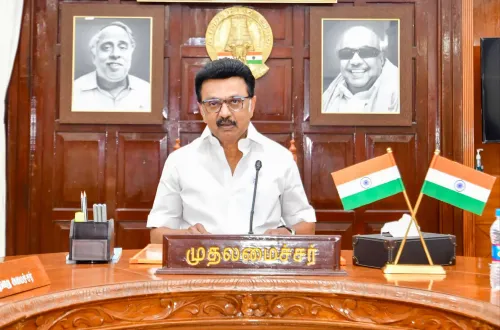
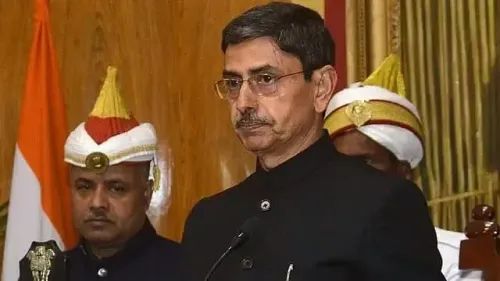
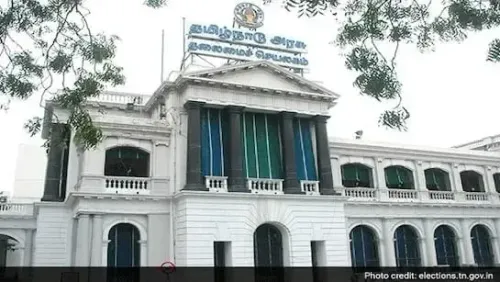
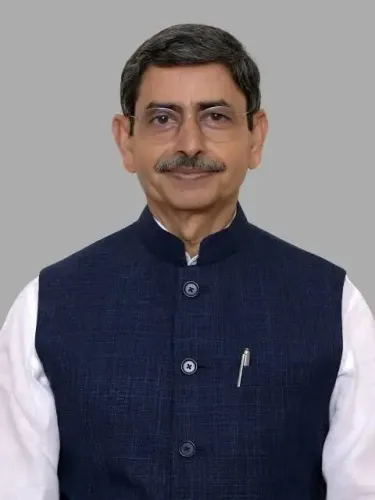
Chennai, Jan 6 (NationPress) The inaugural session of the Tamil Nadu Legislative Assembly for 2023 is set to begin on January 20. On the opening day, Governor R.N. Ravi is expected to address the House. In preparation for this session, a Cabinet meeting will convene on Tuesday at the Secretariat, chaired by Chief Minister M.K. Stalin.
This marks the first Cabinet meeting of the year, with all ministers anticipated to participate.
As is customary, the Cabinet will discuss crucial matters that will be presented during the Assembly session. A primary focus will be the Governor’s address, which is typically reviewed and ratified by the Cabinet prior to its delivery in the House.
However, there remains uncertainty whether Governor R.N. Ravi will read the address prepared by the government in its entirety this year. Past experiences have shown that disagreements between Raj Bhavan and the state government regarding the content of the address have sparked controversies, leading the Governor to occasionally omit sections or diverge from the script.
In light of this context, the Cabinet meeting is deemed particularly important. It is also expected to address complaints and allegations put forth by opposition parties concerning various government initiatives.
Ministers are likely to prepare responses and data to counter the opposition’s critiques during the Assembly session.
Another significant topic on the agenda is the assured pension scheme recently launched by the Chief Minister, which has reportedly received Cabinet approval.
Discussions will likely include the allocation of funds for the assured pension initiative in the interim budget to be presented during the Assembly session.
Additionally, the Cabinet may explore proposals to meet the demands and expectations of various groups, including striking sanitation workers and other employee factions.
Strategies to address labor issues and welfare-related concerns are expected to play a prominent role in the discussions.
With the Assembly election schedule potentially being announced by the end of February, this Cabinet meeting is perceived as politically vital. Decisions made here are likely to influence the government’s legislative and administrative priorities leading up to the elections.
Point of View
It is essential to recognize the significance of the upcoming Cabinet meeting in Tamil Nadu. With pivotal decisions on the agenda, the outcomes could shape the state's political and legislative landscape in the months to come. Observing how the government navigates its relationship with the Governor and addresses opposition concerns will be crucial.
NationPress
1 Oct 2026
Frequently Asked Questions
When does the Tamil Nadu Legislative Assembly session start?
The session begins on January 20, 2023.
Who will address the Assembly on the opening day?
Governor R.N. Ravi is scheduled to deliver the address.
What will be discussed in the Cabinet meeting?
Key issues, including the Governor’s address and the assured pension scheme, will be deliberated.
Why is the Cabinet meeting significant?
It is critical for shaping the government's legislative priorities ahead of the Assembly elections.
What concerns may be addressed during the meeting?
Complaints from opposition parties regarding government schemes will likely be reviewed.