Amit Shah Launches BISM Archives Digitisation Project in Pune
Synopsis
Union Home Minister Amit Shah launched the BISM Pune historical documents digitisation project on 16 November 2026, with CM Devendra Fadnavis present. Rare Maratha-era documents and artefacts will now be accessible online at bismarchives.in, supported by the Murkumbi Itihas Upakram.
Key Takeaways
Amit Shah launched the Bharat Itihas Sanshodhak Mandal (BISM), Pune digitisation project on 16 November 2026 in Pune.
Rare historical documents and invaluable artefacts will be accessible at bismarchives.in with illustrated information.
The project is supported by the Murkumbi Itihas Upakram , a Maharashtra-based historical documentation initiative.
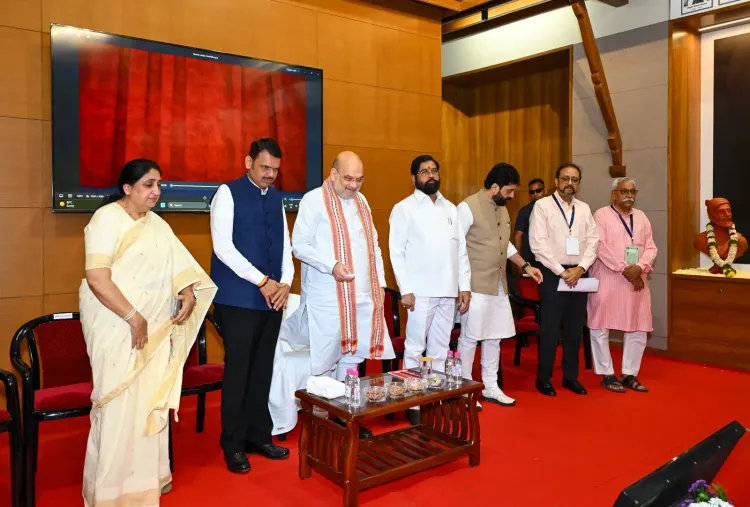
CM Devendra Fadnavis , DCM Eknath Shinde , DCM Sunetra Ajit Pawar , and Union MoS Murlidhar Mohol attended the event.
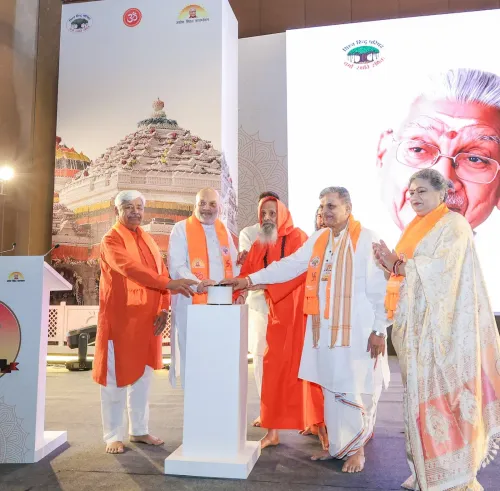
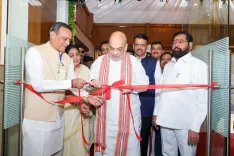
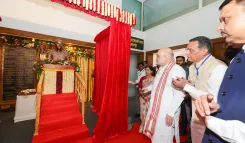
A physical exhibition of rare historical documents and artefacts was also inaugurated at the event.
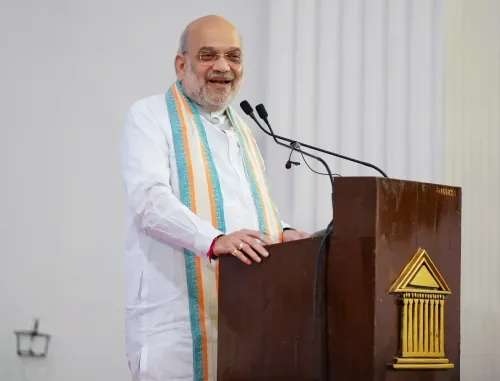
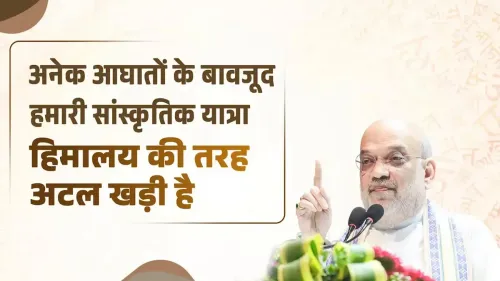
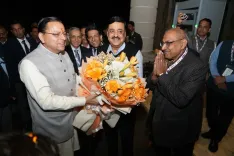
Centuries of Maratha history — handwritten manuscripts, rare artefacts, documents that survived empires — are going online. Union Home and Cooperation Minister Amit Shah launched the historical documents digitisation project of the Bharat Itihas Sanshodhak Mandal (BISM), Pune, on 16 November 2026, with Chief Minister Devendra Fadnavis in prominent attendance at the event held in Pune.
The initiative, supported by the Murkumbi Itihas Upakram, will make illustrated information on rare historical documents and invaluable artefacts freely accessible through the dedicated portal bismarchives.in. The launch was accompanied by the inauguration of a physical exhibition of rare historical documents and precious objects — giving attendees a tangible glimpse of what the digital archive will eventually hold.
BISM's century-old archive enters the digital age
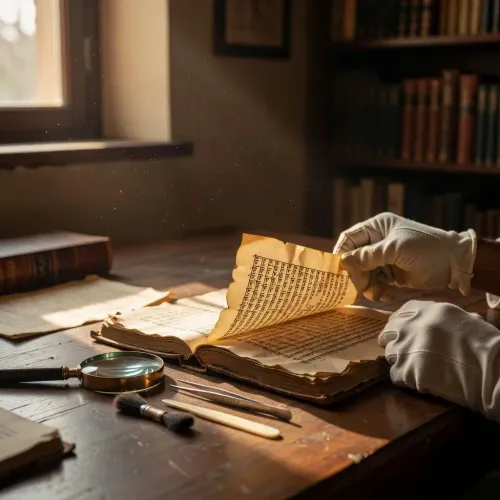
The Bharat Itihas Sanshodhak Mandal is one of Pune's most significant historical research institutions, long dedicated to archival preservation and the scholarly study of Maratha and regional history. Its collections are considered irreplaceable by heritage researchers. The digitisation project is designed to protect those physical originals from wear while dramatically widening access — turning a Pune reading room into a resource any researcher in the world can reach.
The Murkumbi Itihas Upakram, which supported the project, reflects a growing model in Maharashtra where private or trust-based historical initiatives partner with established academic bodies to fund and execute preservation work that government budgets alone rarely sustain.
Maharashtra's top brass turns out for a heritage moment
Deputy Chief Minister Eknath Shinde, Deputy Chief Minister Sunetra Ajit Pawar, and Union Minister of State Murlidhar Mohol were present alongside other dignitaries — a show of force that underscores how seriously the Maharashtra government is treating cultural preservation as a political and policy priority, not just an academic one.
India's central and state governments have backed a string of similar archival digitisation drives over the past decade, from the National Archives in Delhi to state repositories in Tamil Nadu and Rajasthan. Maharashtra's move with BISM follows that broader national pattern of converting fragile paper records into permanent, searchable digital assets.
What bismarchives.in promises to deliver
The portal bismarchives.in is intended to carry illustrated records — meaning images and descriptive metadata for each document or artefact, not merely a catalogue entry. For historians researching Maratha governance, Deccan trade, and regional social history, that visual fidelity matters enormously: a photograph of an original firman or a wax seal can carry evidence that a transcription never could.
The pace at which the archive populates its online collections, and how widely researchers and schools actually use it, will determine whether today's inauguration becomes a genuine inflection point for Maharashtra's heritage ecosystem — or a well-attended ceremony with a half-finished website. The launch has set the ambition. The uploads will tell the story.
Point of View
It sets a replicable template for other state archives sitting on untouched collections.
NationPress
16 Nov 2026
Frequently Asked Questions
What is the BISM historical documents digitisation project?
The project digitises rare historical documents and artefacts held by the Bharat Itihas Sanshodhak Mandal (BISM) in Pune, making illustrated information available online at bismarchives.in for researchers and the public.
What is bismarchives.in?
bismarchives.in is the dedicated web portal launched by BISM Pune where illustrated information on rare historical documents and invaluable artefacts will be made publicly accessible as part of this digitisation initiative.
Who launched the BISM digitisation project?
Union Home and Cooperation Minister Amit Shah launched the project on 16 November 2026 in Pune, with Chief Minister Devendra Fadnavis in prominent attendance.
What is the Bharat Itihas Sanshodhak Mandal?
BISM is a Pune-based historical research institution focused on archival preservation and the scholarly study of Maratha and regional history, holding collections considered irreplaceable by heritage researchers.
What is the Murkumbi Itihas Upakram?
The Murkumbi Itihas Upakram is a Maharashtra initiative that supports historical documentation and research projects; it provided support for the BISM digitisation effort.