CM Dhami attends idol consecration at Khatima temple
Synopsis
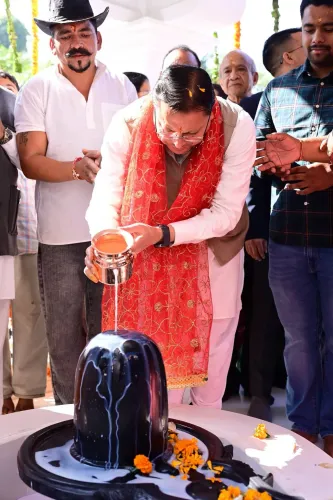
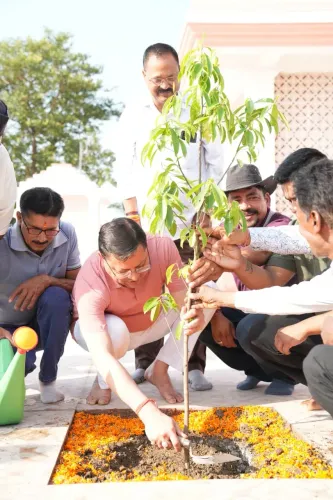
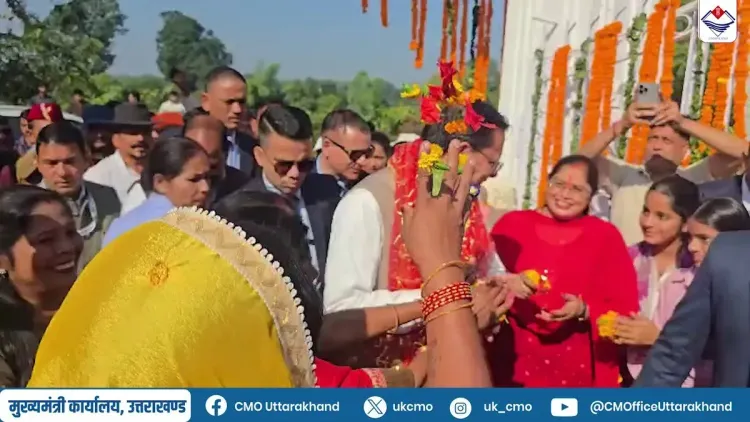
Chief Minister Pushkar Singh Dhami attended the murti pran pratishtha ceremony at Maa Purnagiri Mata Mandir in Nagla Tarai, Khatima, Udham Singh Nagar on November 16, 2026, reinforcing Uttarakhand's identity as a state deeply invested in Hindu pilgrimage culture.
Key Takeaways
CM Pushkar Singh Dhami participated in a murti pran pratishtha (idol consecration) ceremony on November 16, 2026 .
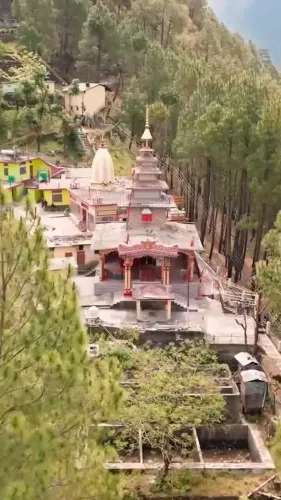
The event was held at Maa Purnagiri Mata Mandir in Nagla Tarai, Khatima , Udham Singh Nagar district .
Maa Purnagiri is a revered deity of the Kumaon region, traditionally associated with the Champawat belt.
Khatima is CM Dhami's own assembly constituency, giving his attendance added political and community significance.
Uttarakhand actively promotes religious tourism, with state leaders regularly participating in temple events across the state.
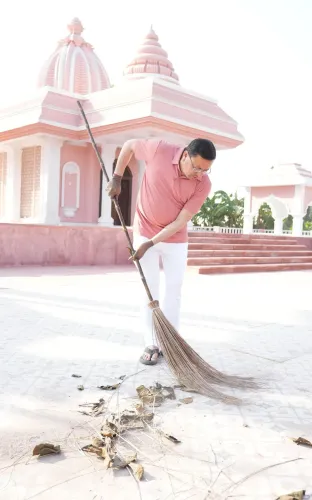
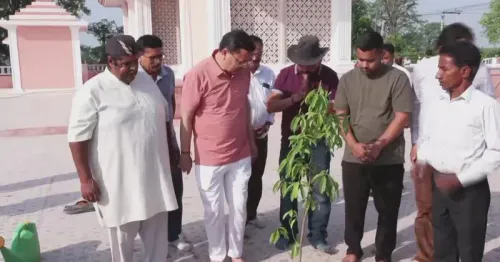
A divine ceremony unfolded in the foothills of Uttarakhand on Monday, November 16, 2026, as Chief Minister Pushkar Singh Dhami participated in a murti pran pratishtha (idol consecration) programme at the Maa Purnagiri Mata Mandir in Nagla Tarai, Khatima, Udham Singh Nagar district. The Chief Minister's Office of Uttarakhand confirmed the CM's presence at the sacred event through its official X account.
The ceremony centred on the ritual consecration of an idol of Goddess Purnagiri, a revered deity in the Kumaon belt of Uttarakhand. Pran pratishtha — the Vedic rite that formally invites divine presence into an idol — draws large gatherings of devotees and marks a significant milestone in any temple's religious life.
Purnagiri's sacred footprint in Kumaon
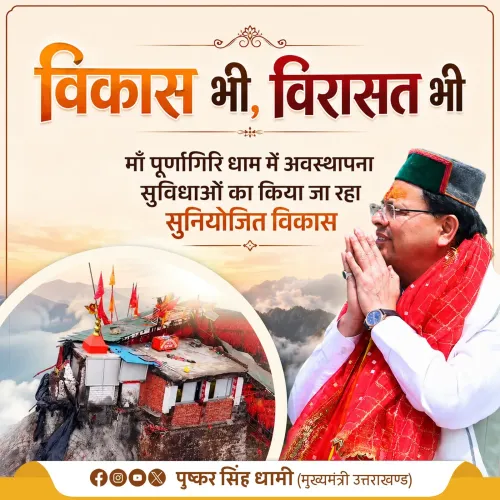
Maa Purnagiri is among the most venerated goddesses of the Kumaon region, drawing pilgrims from across northern India. The deity's principal shrine is traditionally associated with Champawat district, but the temple in Khatima's Nagla Tarai locality reflects the widespread devotion to the goddess across Udham Singh Nagar — a district that sits close to the Indo-Nepal border and serves as a gateway for pilgrims from the plains.
Khatima itself holds a special political and personal resonance for CM Dhami, who represents the Khatima assembly constituency in the state legislature. His presence at a major religious event in his own constituency blends community engagement with cultural patronage — a combination that defines much of his public outreach in the region.
Uttarakhand's temple-led cultural identity
Uttarakhand has consistently positioned itself as the spiritual heartland of India, anchoring its cultural identity — and a significant slice of its economy — around religious tourism. State participation in consecration ceremonies signals institutional support for local pilgrimage infrastructure, often preceding or accompanying investment in road access, facilities for devotees, and heritage conservation around such sites.
For the residents of Khatima and the surrounding tarai belt, the CM's direct participation in the pran pratishtha carries both symbolic and practical weight — a signal that the state government takes the region's religious heritage seriously.
Uttarakhand's spiritual calendar is year-round, but moments like these — a freshly consecrated idol, a chief minister in attendance, thousands of devotees gathered — remind the country why the state calls itself Dev Bhoomi: the land of the gods. That identity, now renewed in Khatima, is both a living faith and a policy priority.
Point of View
Events like these double as soft policy signals about where government engagement and future investment are likely to flow.
NationPress
16 Nov 2026
Frequently Asked Questions
Where did CM Dhami attend the pran pratishtha ceremony?
CM Pushkar Singh Dhami attended the murti pran pratishtha at Maa Purnagiri Mata Mandir in Nagla Tarai, Khatima, Udham Singh Nagar district, Uttarakhand on November 16, 2026.
What is pran pratishtha?
Pran pratishtha is a Vedic Hindu ritual that formally consecrates a newly installed idol by invoking the divine presence of the deity into the murti (sacred image), marking the temple's official spiritual activation.
Who is Maa Purnagiri?
Maa Purnagiri is a revered Hindu goddess worshipped widely across the Kumaon region of Uttarakhand. Her principal shrine is traditionally associated with Champawat district, and she is a major pilgrimage deity for devotees from northern India.
Why is Khatima significant for CM Pushkar Singh Dhami?
Khatima is CM Dhami's own assembly constituency in Udham Singh Nagar district, making his participation in the temple event both a cultural gesture and a direct act of community engagement with his voters.
What is Uttarakhand's approach to religious tourism?
Uttarakhand actively promotes itself as a Hindu pilgrimage destination, branding the state as 'Dev Bhoomi' (land of the gods). The state government regularly participates in temple events and supports infrastructure development around major religious sites.