Env Minister Yadav pitches India's just transition vision at COP31
Synopsis
At the COP31 Ministerial Roundtable on Just Transition in Antalya, Environment Minister Bhupender Yadav called for a two-tier, Party-guided mechanism that integrates adaptation, livelihoods and development planning while respecting national sovereignty and diverse national circumstances.
Key Takeaways
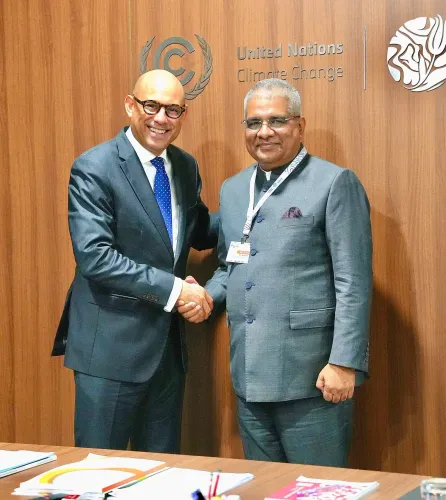
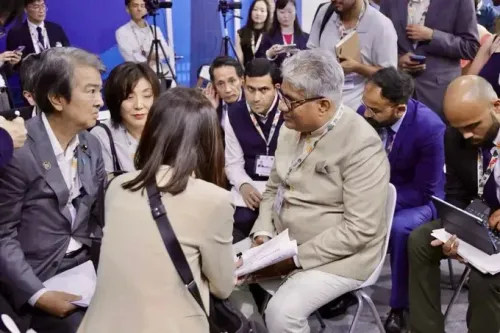
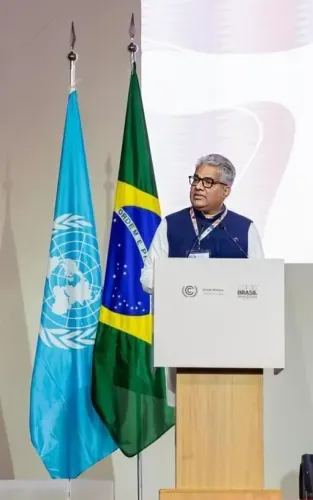
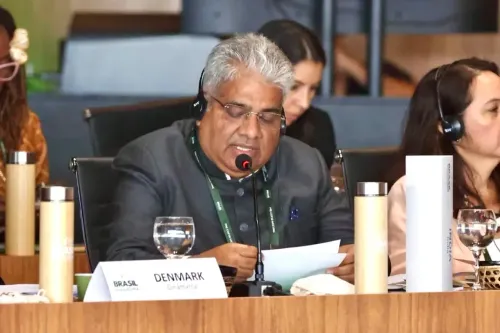
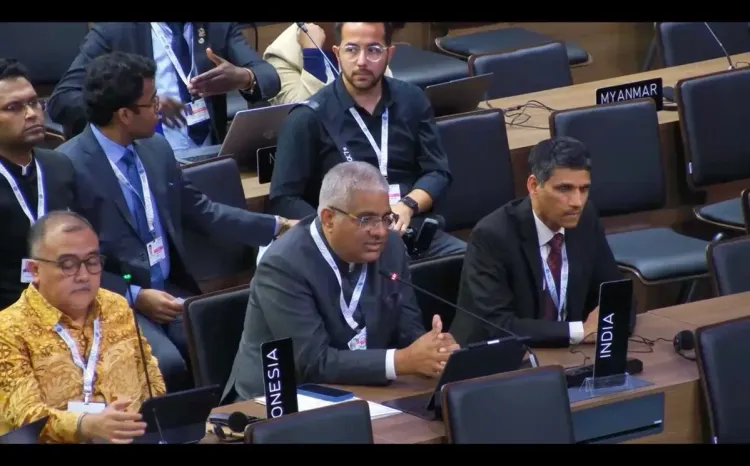
Union Environment Minister Bhupender Yadav presented India's views at the 4th Annual High-level Ministerial Roundtable on Just Transition at COP31 in Antalya, Türkiye on 16 November 2026 .
India called for the operationalisation of a two-tier, Party-guided Mechanism under the UNFCCC, designed to be responsive to developing-country needs.
Yadav emphasised integrating just transition considerations across adaptation, livelihoods and development planning — not limiting it to energy-sector decarbonisation.
India's stance stresses national sovereignty and 'diverse national circumstances,' consistent with its long-standing common but differentiated responsibilities position.
The proposal continues a policy arc that runs from India's Panchamrit pledges at COP26 (2021) through the just transition work programme launched at COP27 (2022) .
Outcomes of the two-tier mechanism debate are expected to shape negotiations at COP32 and updated National Adaptation Plans.
A two-tier mechanism, Party-guided and sovereignty-respecting — that is the architecture Union Environment Minister Bhupender Yadav put on the table at the 4th Annual High-level Ministerial Roundtable on Just Transition on the sidelines of COP31 in Antalya, Türkiye on Monday, November 16, 2026.
Speaking at the roundtable, Yadav underlined that just transition cannot be treated as a narrow energy-sector conversation. India's position: weave it into adaptation planning, livelihood protection and broader development frameworks — not just the speed at which coal plants close.
The two-tier mechanism India is pushing for
At the heart of India's submission is a call to operationalise a two-tier, Party-guided Mechanism under the UNFCCC. The design philosophy is deliberate: developing countries must be able to shape the mechanism's architecture, not simply receive its outputs. India argued that any workable framework must be 'responsive to developing-country needs and respectful of national sovereignty and diverse national circumstances' — language that signals New Delhi's resistance to one-size-fits-all transition timelines imposed from the outside. This is not a new negotiating instinct. India's Panchamrit commitments, announced at COP26 in Glasgow in 2021, were built on the same equity-first logic. When COP27 in Sharm el-Sheikh in 2022 formally launched a work programme on just transition, India was already pressing for it to reflect common but differentiated responsibilities — the foundational UNFCCC principle that separates historic emitters from nations still industrialising.Why livelihoods and adaptation matter as much as energy
India's framing at COP31 is a direct challenge to a narrower Western conception of just transition that centres almost entirely on decarbonising electricity grids. For a country where millions of workers depend on coal-belt economies and where adaptation to climate impacts — floods, heatwaves, erratic monsoons — is an immediate survival question, the two are inseparable. Yadav's intervention signals that India will not accept a mechanism that leaves adaptation and livelihood support as afterthoughts. The pressure now shifts to COP32: will the two-tier mechanism language survive contact with developed-country negotiating positions, and will it ultimately be reflected in updated Nationally Determined Contributions and national adaptation plans? For India, just transition was never only about the pace of change. It has always been about who decides, who pays, and who gets left behind if the world gets it wrong.Point of View
Party-guided just transition mechanism is a calibrated effort to prevent developed nations from setting the pace and terms of decarbonisation for economies still building out basic infrastructure. By insisting on integrating adaptation and livelihoods, New Delhi is broadening the just transition concept in a way that makes unilateral deadlines politically untenable. This aligns with India's consistent COP strategy of anchoring climate obligations in equity and historical responsibility. The real test arrives at COP32, where the mechanism's design — and who controls it — will determine whether the concept has real redistributive teeth or remains aspirational language.
NationPress
16 Nov 2026
Frequently Asked Questions
What is the just transition roundtable at COP31?
The 4th Annual High-level Ministerial Roundtable on Just Transition is a formal ministerial-level dialogue held on the sidelines of COP31 in Antalya, Türkiye, where countries present national positions on how to manage the shift away from fossil fuels equitably.
What is India's position on just transition at COP31?
India supports a two-tier, Party-guided mechanism that is responsive to developing-country needs and respects national sovereignty, while integrating just transition into adaptation, livelihood protection and development planning — not just energy-sector decarbonisation.
What is a two-tier Party-guided mechanism under the UNFCCC?
India's proposed two-tier mechanism is a governance structure for just transition under the UNFCCC where developing countries have a direct role in shaping the framework's design and implementation, rather than having terms dictated by developed nations.
What is COP31 and where is it being held?
COP31 is the 31st Conference of the Parties to the UN Framework Convention on Climate Change, hosted in Antalya, Türkiye in 2026.
How does India's COP31 stance connect to its earlier climate commitments?
India's COP31 position continues a strategy established at COP26 in Glasgow (2021), where it announced Panchamrit commitments emphasising equity and national circumstances, and built on the just transition work programme launched at COP27 in Sharm el-Sheikh (2022).