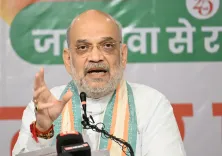
CM Dhami Leads Tree Plantation Drive at Purnagiri Temple
Synopsis
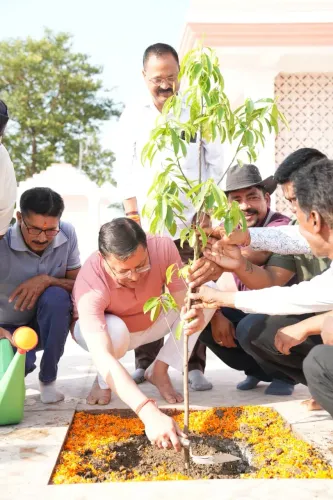
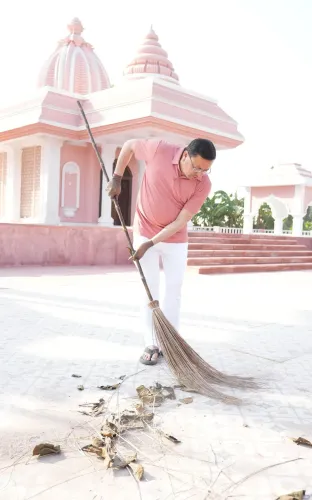
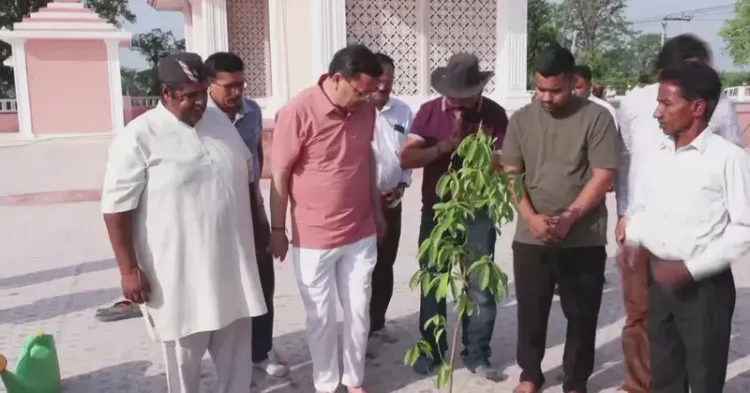
Uttarakhand Chief Minister Pushkar Singh Dhami on 15 June 2026 led a live tree plantation and cleanliness campaign at the Purnagiri Shakti Peeth in Khatima, Udham Singh Nagar, blending environmental outreach with religious site upkeep ahead of the pilgrimage season.
Key Takeaways
CM Pushkar Singh Dhami participated in a tree plantation and cleanliness drive at Purnagiri Temple, Khatima on 15 June 2026 .
The event was broadcast live on social media, signalling the administration's intent to amplify the campaign's reach.
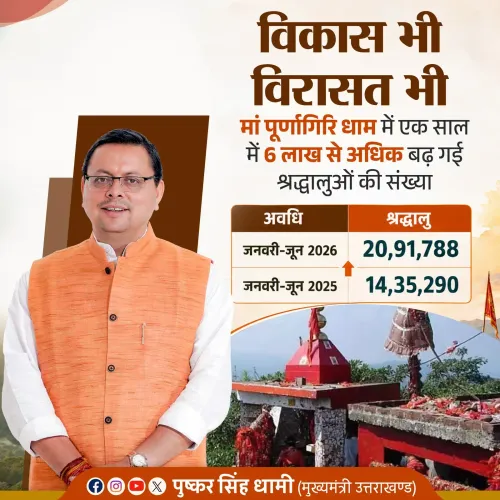
Purnagiri Temple is a major Shakti Peeth in Udham Singh Nagar that attracts lakhs of pilgrims annually.
The drive aligns with the national Swachh Bharat Abhiyan launched in 2014 , which targets cleanliness at religious and public spaces.
Uttarakhand's Himalayan ecology makes sustained tree plantation efforts critical to combating deforestation and soil erosion.
Similar campaigns may be extended to other Uttarakhand shrines ahead of the peak pilgrimage season.
Uttarakhand Chief Minister Pushkar Singh Dhami on Monday, 15 June 2026 participated in a live tree plantation and cleanliness drive at the Purnagiri Temple in Khatima, Udham Singh Nagar, combining environmental outreach with one of the state's most prominent Shakti Peeth pilgrimage sites.
Context
The Chief Minister broadcast the event live on social media, sharing it under the caption 'LIVE: खटीमा, ऊधम सिंह नगर में स्थित पूर्णागिरी मंदिर में पौधारोपण एवं स्वच्छता अभियान' — translated as 'LIVE: Tree plantation and cleanliness campaign at Purnagiri Temple located in Khatima, Udham Singh Nagar.' The public broadcast underlines the administration's intent to use high-footfall religious venues as platforms for environmental messaging.
Purnagiri Temple is a revered Shakti Peeth dedicated to Goddess Purnagiri and draws lakhs of devotees annually, particularly during the spring and summer pilgrimage season. Its location in the ecologically sensitive Himalayan foothills makes green cover initiatives at the site especially significant.
Policy Backdrop
The drive aligns with the Swachh Bharat Abhiyan, the nationwide cleanliness mission launched in 2014, which has specifically targeted sanitation and upkeep at religious and public spaces across India. Uttarakhand, as a state with dense temple networks and fragile Himalayan ecology, has regularly integrated such campaigns into its governance calendar.
Indian state governments have increasingly used tree plantation events at pilgrimage sites to pursue twin goals: improving green cover metrics and elevating standards of cleanliness for religious tourism. Uttarakhand's Himalayan terrain is particularly vulnerable to deforestation and soil erosion, lending ecological urgency to sapling drives beyond their symbolic value.
Stakeholders and Impact
The primary beneficiaries of the campaign are the pilgrims who visit Purnagiri Temple year-round, as well as local residents of Udham Singh Nagar, a district that borders Nepal and depends significantly on religious tourism alongside agriculture and industry. Cleaner temple precincts and improved green cover can directly enhance the pilgrim experience and support the local economy.
Environmental advocates and forest officials in Uttarakhand have consistently stressed the need for sustained sapling survival programmes, noting that one-day plantation events must be followed by monitoring and maintenance to translate into lasting ecological gains.
What's Next
State authorities are expected to release reports on sapling counts and survival-rate targets from the Khatima drive in the coming weeks. The administration may extend similar plantation and swachhata campaigns to other prominent shrines across Uttarakhand ahead of peak pilgrimage season, when temple footfall rises sharply and environmental pressure on these sites intensifies.
The pattern of combining religious site management with green cover targets suggests CM Dhami's government is positioning environmental stewardship as a complement to its religious tourism agenda — a model that could be replicated across other Himalayan states facing similar ecological and pilgrimage pressures.
Point of View
Where ecological fragility and pilgrimage tourism are deeply intertwined, such campaigns carry policy weight beyond optics. The real test will be whether sapling survival rates and sustained cleanliness standards are tracked and reported, or whether the initiative remains a one-day headline.
NationPress
14 Sept 2026
Frequently Asked Questions
Where is Purnagiri Temple located?
Purnagiri Temple is located in Khatima town in the Udham Singh Nagar district of Uttarakhand, situated in the Himalayan foothills near the Nepal border.
What is the Swachh Bharat Abhiyan?
Swachh Bharat Abhiyan is a nationwide cleanliness and sanitation mission launched by the central government in 2014, covering public spaces and religious sites across India.
Why did CM Dhami hold a tree plantation drive at a temple?
Indian state leaders regularly combine tree plantation and cleanliness drives at pilgrimage sites to promote environmental goals alongside religious tourism, and Uttarakhand's fragile Himalayan ecology makes such efforts especially relevant.
What is Purnagiri Temple known for?
Purnagiri Temple is one of India's revered Shakti Peeths, dedicated to Goddess Purnagiri, and draws lakhs of Hindu pilgrims each year particularly during the spring and summer seasons.
What is Udham Singh Nagar district known for?
Udham Singh Nagar is a district in Uttarakhand bordering Nepal, known for its agricultural output, industrial zones, and growing religious tourism centred on sites like Purnagiri Temple.